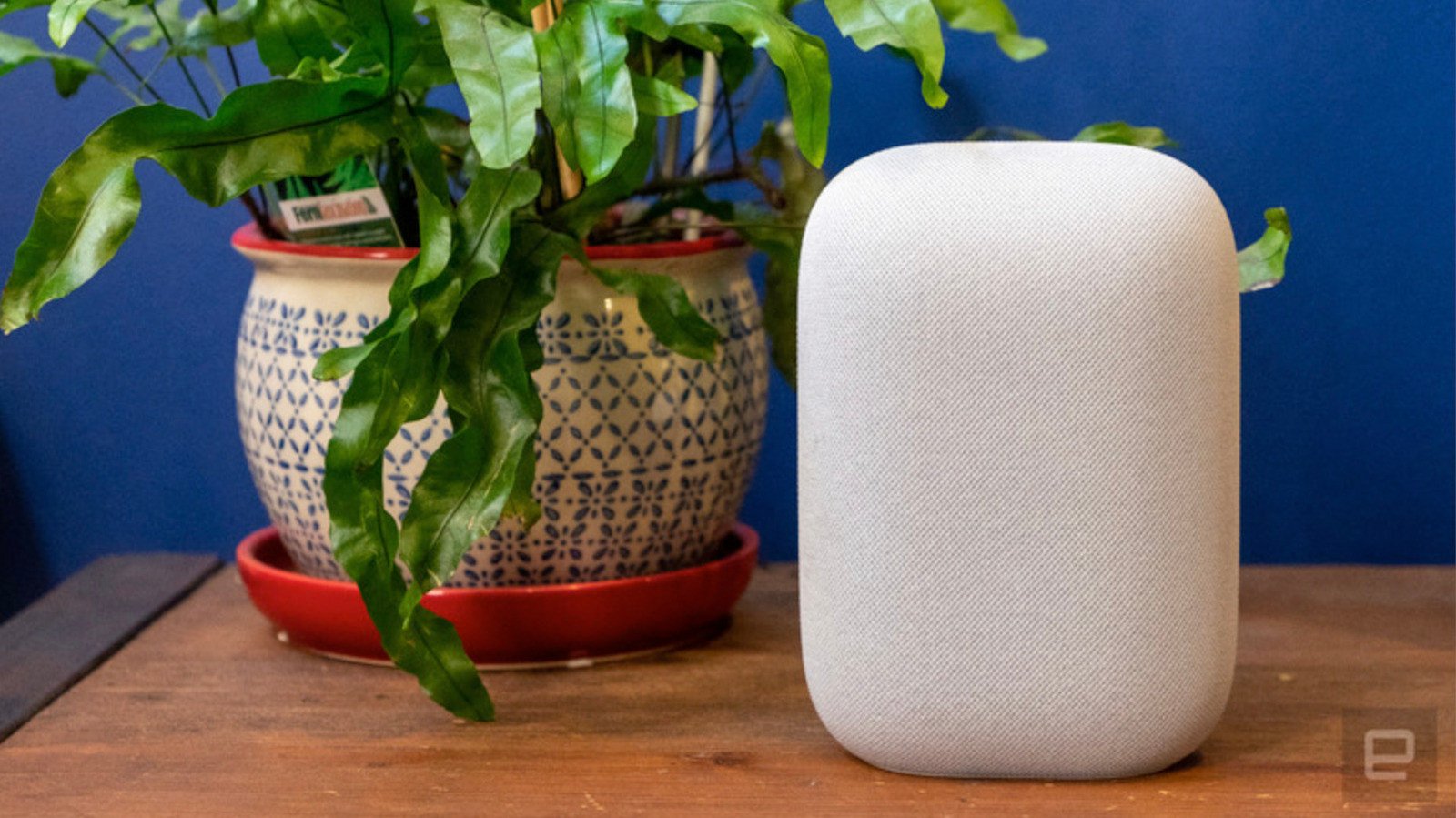

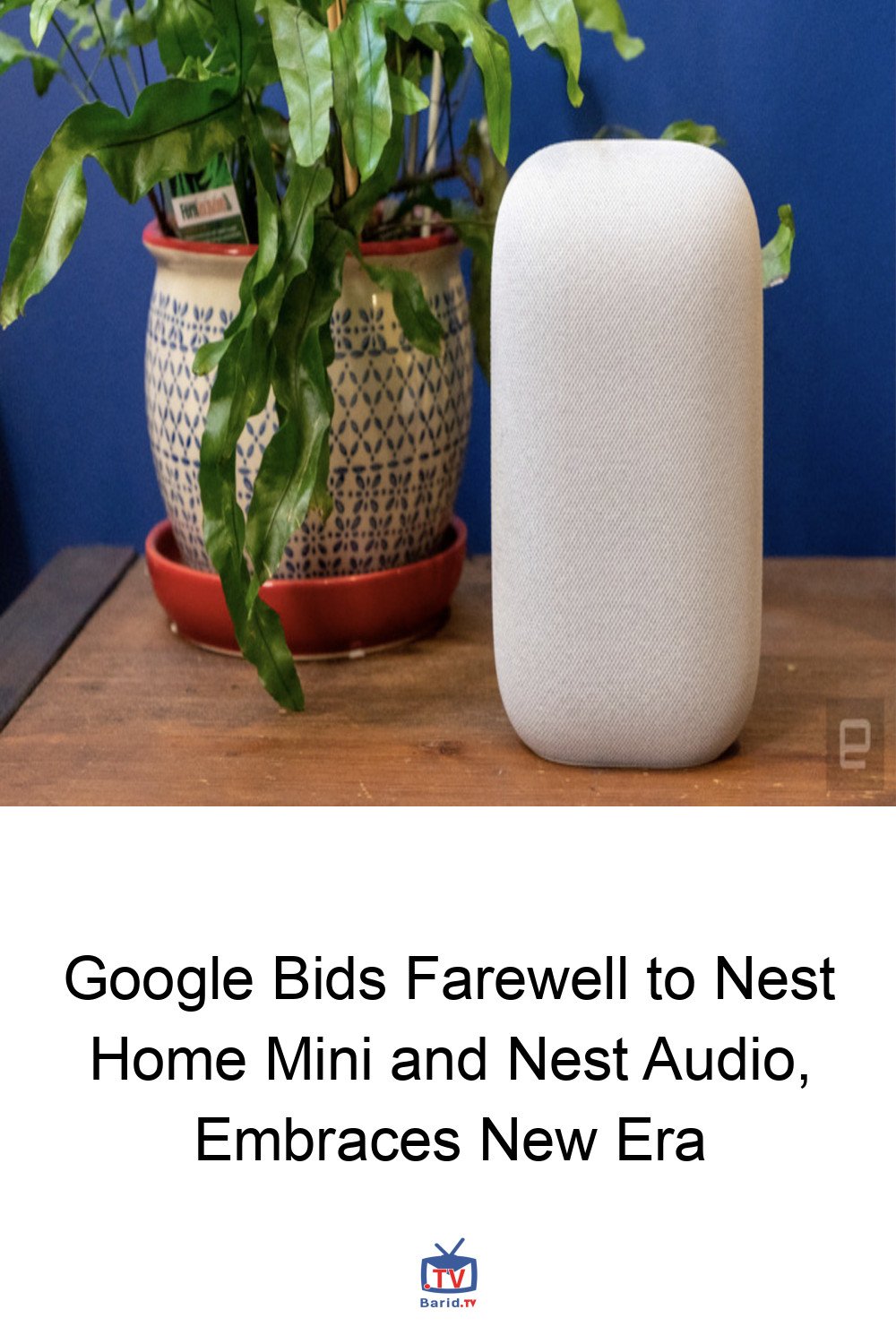
The smart home landscape is constantly evolving, and Google is making a significant move, signaling a shift in its audio device strategy. Following the recent unveiling of a new smart home speaker, the tech giant has confirmed the discontinuation of its popular Nest Home Mini and Nest Audio devices. This strategic pivot marks the end of an era for two mainstays in Google’s smart home ecosystem, paving the way for a new generation of AI-powered devices.
A New Chapter for Google’s Smart Home Audio
For approximately five years, or even longer if one considers the original 2017 Google Home Mini, these compact and capable speakers have been a familiar presence in countless homes. Their affordability and seamless integration with the Google Assistant made them accessible entry points into the smart home world. However, with Google’s aggressive push to integrate its advanced Gemini chatbot across its product line, a consolidation and refresh of its hardware portfolio seems a logical next step. The introduction of a new speaker, priced at $100 – matching the outgoing Nest Audio but double the cost of the budget-friendly Nest Home Mini – underscores this strategic realignment.
What This Means for Existing Users
While the production lines for the Nest Home Mini and Nest Audio may be winding down, Google has assured users that their existing devices are far from obsolete. A company representative confirmed to Engadget that “Existing Nest Mini and Nest Audio devices will continue to be fully supported with regular software updates, security patches and customer care.” This commitment ensures that current owners can continue to enjoy their smart speakers without fear of immediate obsolescence, a crucial detail for consumer confidence in a rapidly changing tech market.
This move highlights Google’s ongoing commitment to innovation, even if it means saying goodbye to beloved products. The focus is clearly on a more unified, AI-centric future, with the new Google Home speaker poised to lead the charge.
For more details, visit our website.
Source: Link