



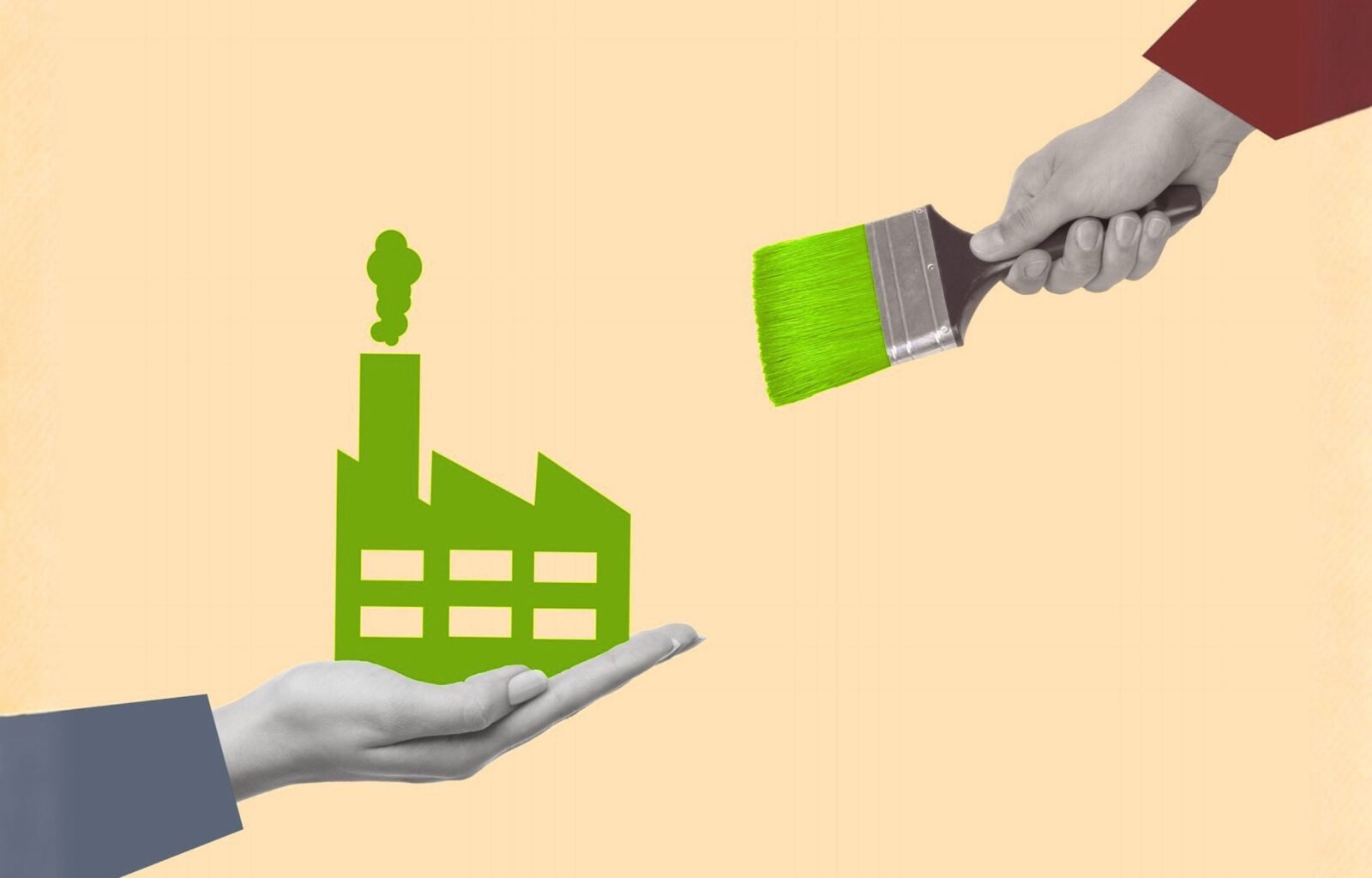

In an era saturated with marketing noise, a powerful new force is reshaping the landscape of consumer trust: Generation Z. These digital natives, armed with smartphones and an innate skepticism, are dismantling traditional advertising tactics, particularly the pervasive practice of “greenwashing.” For businesses, especially startups, the message is clear: superficial eco-claims are no longer just ineffective; they’re a fast track to irrelevance. To thrive today, brands must embrace radical authenticity, proving their claims with tangible evidence and transparently acknowledging their imperfections.
The Unforgiving Gaze of Generation Z
Unlike previous generations, Gen Z didn’t just grow up with technology; they matured alongside the internet’s vast information highway. They don’t passively consume ad copy; they actively investigate. Every claim, every promise, is subjected to rigorous digital scrutiny. This generation’s inherent skepticism means they’re less swayed by glossy campaigns and more interested in verifiable facts.
Beyond the Ad Copy: The Power of Digital Scrutiny
Gen Z operates as a collective of digital detectives. They delve beyond your website’s “About Us” page, scrutinizing supply chains, searching TikTok for employee testimonials about workplace culture, and even examining parent company tax filings. When a brand is caught making unsubstantiated environmental claims or engaging in deceptive practices, the backlash is swift, widespread, and enduring. A mere leaf icon on a plastic wrapper doesn’t signal responsibility to them; it screams dishonesty.
Authenticity Over Aspiration: Why Honesty Resonates
The good news for startups is that Gen Z doesn’t expect perfection. They understand that running a business involves resource consumption and that shipping goods has an environmental footprint. What truly alienates them is the pretense, the “theater” of flawless sustainability.
The New Market Advantage: Embracing Imperfection
Consider a nimble digital-first startup selling modular workspace solutions. Instead of resorting to vague, sweeping statements like “100% Earth-Friendly,” they opted for granular transparency. They openly declared their components: 80% recycled aluminum, 20% new ABS plastic due to structural necessities, and production in a factory powered by a grid with a significant coal mix. This level of candidness immediately distinguished them from competitors touting nebulous planetary salvation. Gen Z prioritizes hard facts over poetic marketing. They prefer to support a business that acknowledges its limitations rather than one that feigns flawlessness.
Rewriting the Brand Playbook: Strategies for Genuine Engagement
To cultivate lasting customer trust in this new landscape, startups must fundamentally rethink their communication strategies. Here’s how forward-thinking brands are shifting the narrative:
Show Your Work, Not Just Your Words
Don’t just assert ethical sourcing; provide irrefutable proof. A fast-casual eatery, for instance, could display actual invoices from local farm suppliers prominently near the register or publish them weekly online. Receipts speak louder than rhetoric.
Acknowledge the Trade-Offs
If opting for recycled paper packaging doubles your unit cost and necessitates a higher retail price, communicate that openly. Consumers respect this honesty, understanding that ethical choices often come with a premium.
Progress, Not Perfection
You don’t need an immaculate environmental record to begin speaking up. Share your current metrics today, establish achievable short-term goals for the coming month, and report back on your progress – even when you fall short. The myth of the flawless company is dead; modern shoppers recognize that every purchase entails some form of compromise. Insulting their intelligence with claims of zero impact is a sure way to lose their loyalty.
Take a specialty tea brand that, instead of falsely claiming fully biodegradable tea bags (which often require industrial composting facilities unavailable in typical city systems), placed a clear warning on the pouch: “These tea bags need commercial high-heat composting. If tossed in your garden, they’ll take years to break down. Here’s how to dispose of them correctly.” This single, blunt statement built more trust than any expensive, fluffy green campaign ever could, demonstrating profound respect for the buyer’s intelligence.
Actionable Steps for Startups: Ditching the Greenwash
For your business to not just survive but thrive in this evolving market, it’s imperative to shed corporate jargon and reconstruct your communication from the ground up, starting now.
Purge the Buzzword Dictionary
Eliminate vague terms like “green,” “pure,” “natural,” and “conscious” from your marketing unless they are unequivocally backed by specific third-party certifications or quantifiable data. If a claim cannot be verified, it should be removed.
Open the Curtains: Operational Transparency
Leverage your social media channels to showcase operational realities, including occasional hiccups. If a supplier fails to meet your material standards, post about the delay, explaining why the shipment was rejected. Transform your operational challenges into compelling proof of your unwavering standards.
Embrace Raw Authenticity
In an age dominated by user-generated content, highly polished, big-budget video ads often register as disingenuous. A quick, unedited founder video, shot on a phone, explaining a packaging decision, will resonate far more deeply and build greater connection than a slick commercial. Authenticity, in its rawest form, is the new premium.
For more details, visit our website.
Source: Link







Leave a comment