
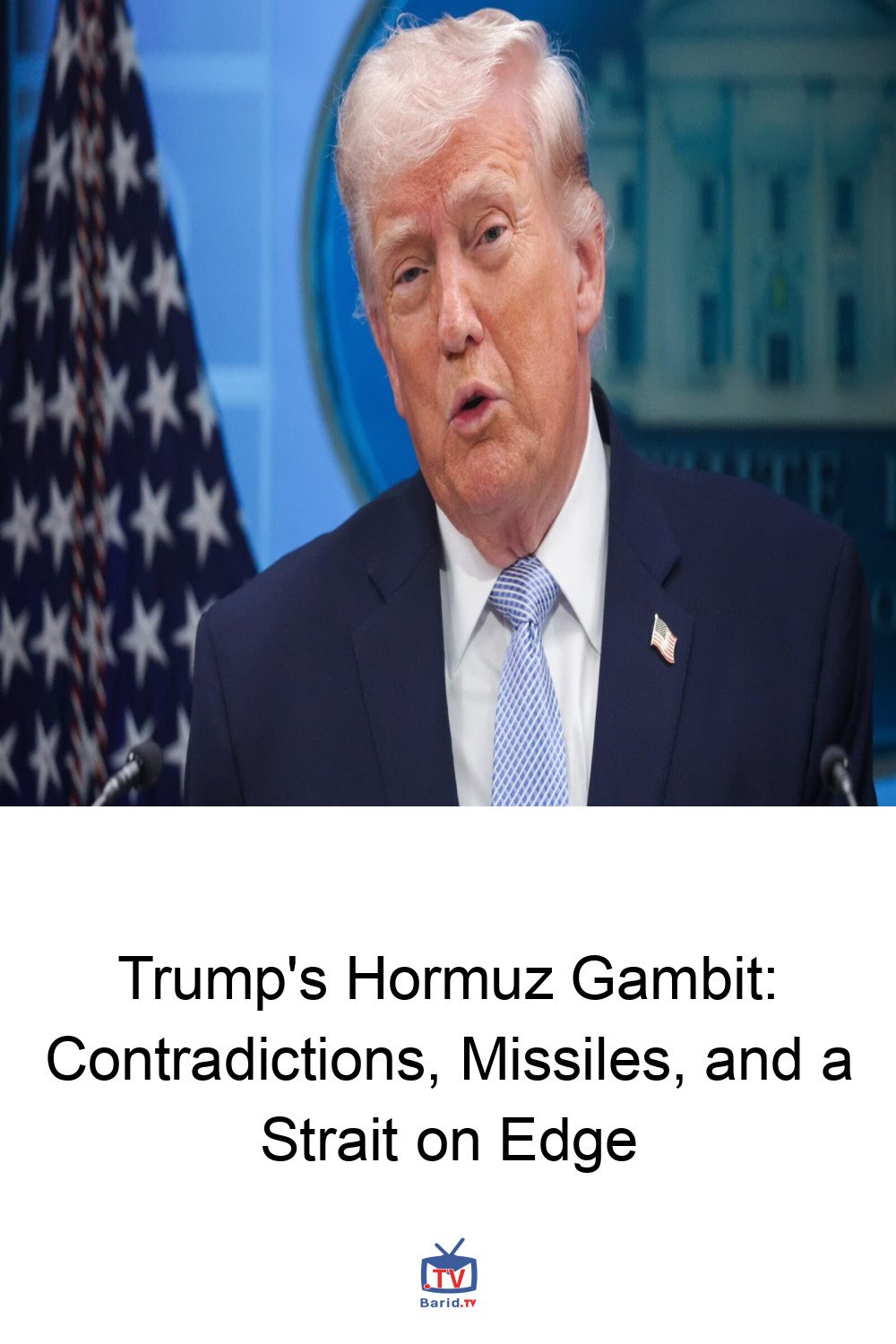
In a period marked by heightened geopolitical tensions, President Donald Trump has delivered a series of pronouncements regarding Iran and the strategically vital Strait of Hormuz, painting a picture of both diplomatic deadlock and assertive U.S. control. His recent statements, particularly on Truth Social, have not only contradicted earlier claims but also coincided with fresh escalations in the Gulf region, sending ripples through global oil markets.
Trump’s Shifting Narrative: No Talks, Just Tensions
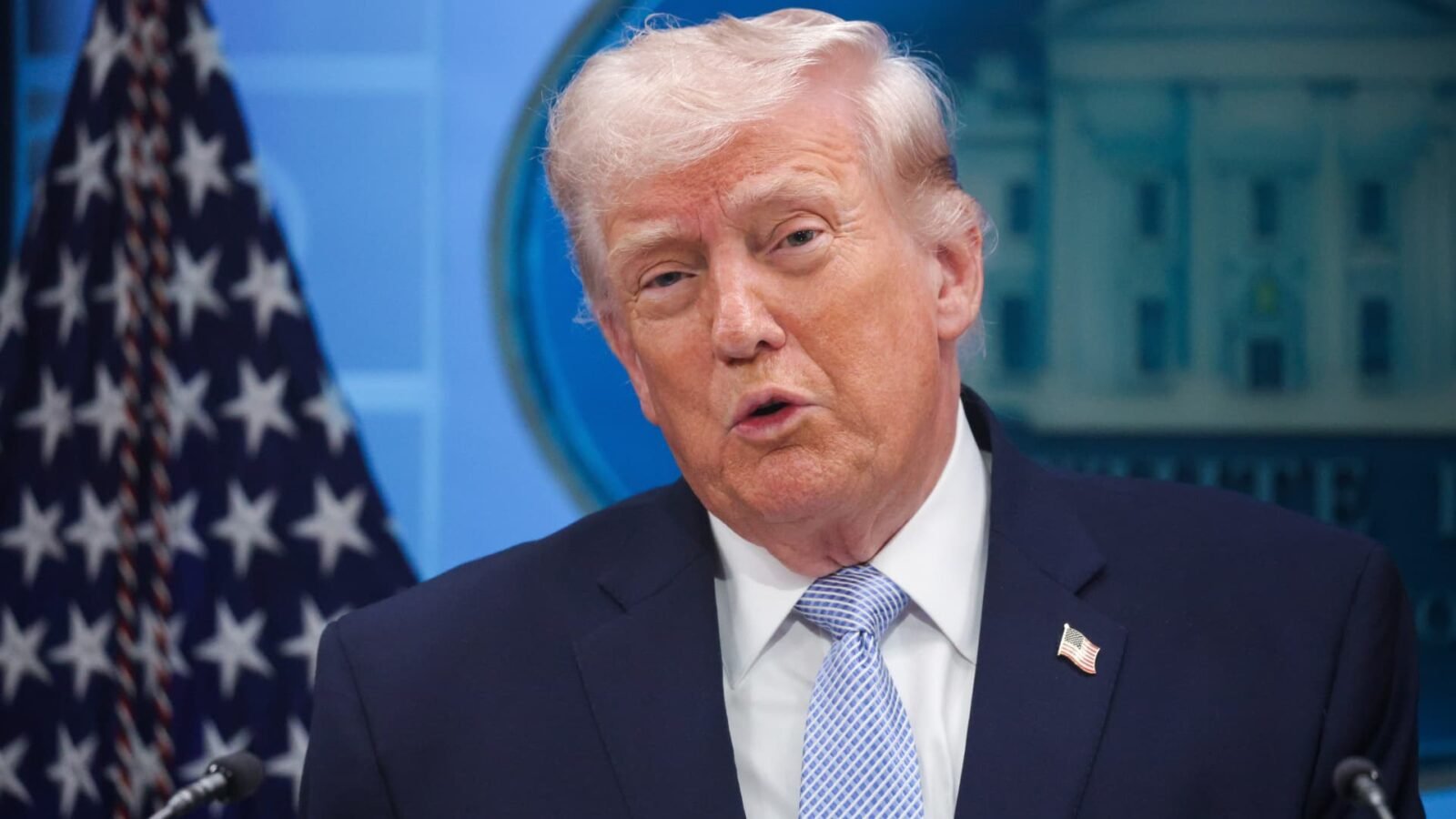
President Trump on Tuesday unequivocally stated that the United States is not engaged in any discussions with Iran, nor are there plans to initiate new ones. This declaration, made via Truth Social, stands in stark contrast to his previous assertions of active negotiations with Tehran – claims that Iran itself has consistently denied. The abrupt reversal underscores a volatile and unpredictable diplomatic landscape, leaving observers to question the true state of U.S.-Iran relations.
Contradictory Claims on Diplomacy
Just weeks prior, Trump had accused Iran of “duplicity” for denying the existence of talks. His latest post, however, leaves no room for ambiguity: “There are no talks or conversations going on, or scheduled, with the Islamic Republic of Iran.” This public contradiction highlights a significant breakdown in communication, or perhaps a deliberate shift in strategy, from the White House.
The Contested Waters of the Strait of Hormuz
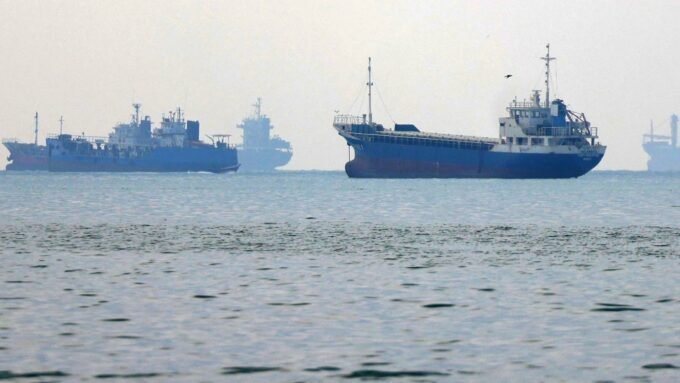
Amidst the diplomatic uncertainty, the Strait of Hormuz remains a focal point of contention. Trump has repeatedly claimed the waterway is “open and operating,” asserting that “all water mines have been removed or detonated” and that the “Naval Blockade remains in full force and effect.” Yet, the reality on the ground, and the silence from official U.S. military channels, tells a more complex story.
Mine Clearance Claims Unconfirmed
Despite Trump’s assurances, U.S. Central Command (CENTCOM) has not corroborated the claim that the strait has been demined, referring inquiries to the White House. This lack of official confirmation raises questions about the veracity of the President’s statements, especially given that passage through the economically crucial strait has been severely hampered by the threat of Iranian mines since the conflict began nearly six months ago. While the U.S. did launch a mine-clearing mission in April, its full success, as described by Trump, remains unverified.
Economic Bottleneck and Rising Oil Prices
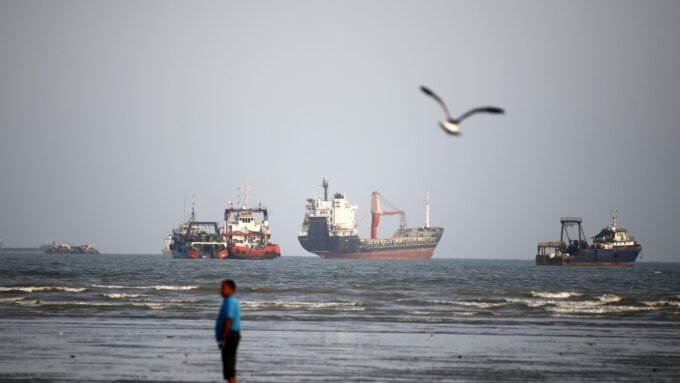
The instability in the Strait of Hormuz, through which 20% of the world’s oil trade flowed before the conflict, has had tangible global consequences. Traffic has dwindled to a trickle, exacerbating global energy concerns. On Tuesday, oil prices climbed for a third consecutive session, directly reflecting the perceived widening chasm between the U.S. and Iran and the increased risk to vital shipping lanes.
Escalation in the Gulf: Missile Launches Detected
Further underscoring the regional volatility, air defenses in the United Arab Emirates detected two ballistic missiles launched from Iran towards the UAE on Tuesday. According to the UAE’s Ministry of Defense, one missile landed outside its territorial waters, while the second impacted within. This incident serves as a stark reminder of the active military dimensions of the ongoing tensions, even as diplomatic avenues appear to close.
A Controversial Vision: Hormuz as U.S. Territory?
Adding another layer of controversy, President Trump has continued to float the audacious idea of declaring the Strait of Hormuz a U.S. territory. When questioned about this prospect, which international law experts widely consider a violation of sovereignty, Trump responded, “It’s a great idea… We control it. We control it with the blockade.” This statement, coupled with a Truth Social image declaring the strait a “New U.S. Territory,” signals a potentially radical shift in U.S. policy, though its practical implementation and legality are highly dubious.
Threats Against Oman
The President’s rhetoric extended even to traditional U.S. allies. In a recent Fox News interview, Trump issued a direct threat to Oman, a nation bordering the strait and a longtime strategic partner, vowing to “bomb the s—” out of it if it “gets in the way” of U.S. operations. This aggressive stance complicates regional alliances and further isolates diplomatic efforts.
Expert Insight: Frustration in the White House
The current state of affairs reflects a profound diplomatic impasse. Marc Sievers, a former U.S. ambassador to Oman, commented on CNBC’s “Access Middle East” that U.S.-Iran peace talks have effectively stalled, with Washington pursuing a “diplomatic solution that was never seriously on the table.” Sievers’ assessment points to a growing “frustration in the White House” as it grapples with the complexities of the Iran situation.
As the U.S. and Iran remain locked in a cycle of rhetoric and escalation, the future of the Strait of Hormuz and regional stability hangs precariously in the balance. The international community watches closely as Trump’s administration navigates this increasingly fraught geopolitical landscape.
For more details, visit our website.
Source: Link