



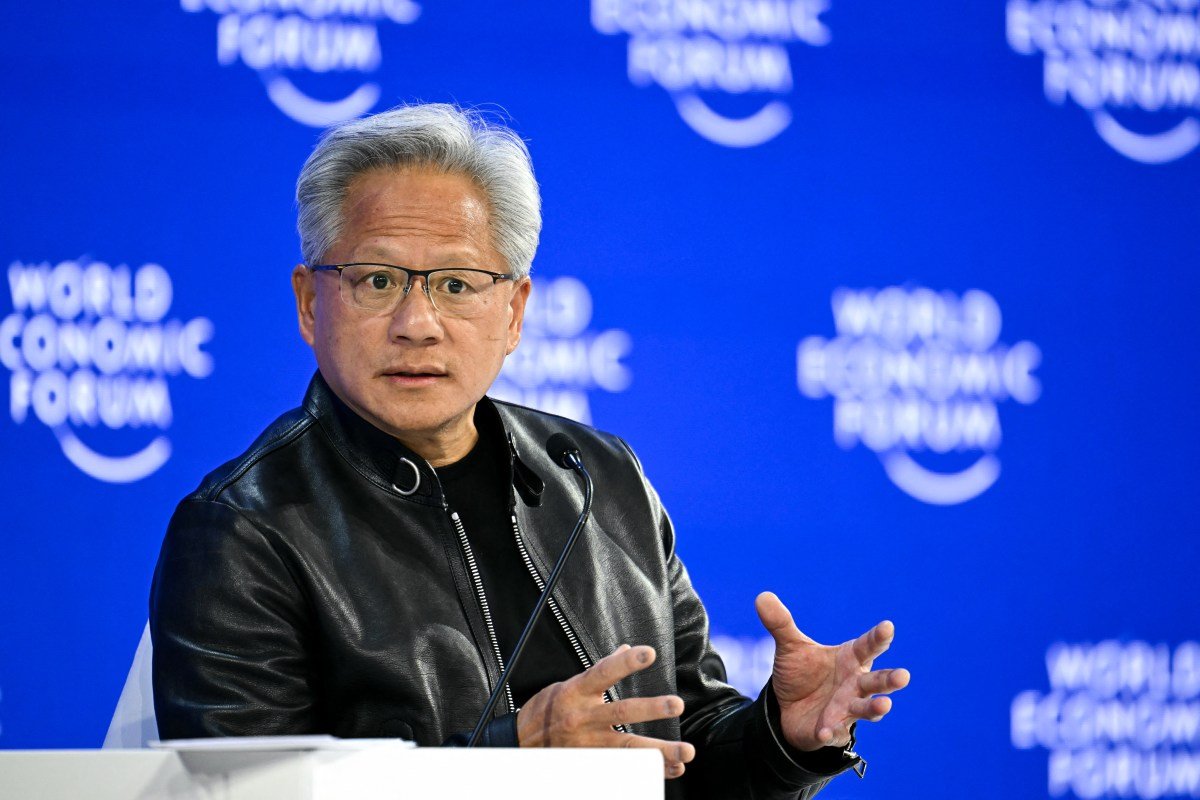

In a move that has sent ripples through the financial and technology sectors, S&P Global Ratings, a titan among credit rating agencies, is scrutinizing Nvidia’s coveted credit standing. Despite the chip giant’s stellar financial performance, the agency has flagged significant concerns regarding the company’s governance practices and an over-reliance on its charismatic leader, CEO Jensen Huang.
The Shadow of Governance: Why S&P is Concerned
The core of S&P’s apprehension lies in what it describes as “weak executive oversight and lack of succession planning,” coupled with a pronounced “key man risk.” This assessment follows the recent, albeit temporary, ouster and subsequent reinstatement of CEO Jensen Huang, an event that seemingly underscored the company’s dependence on his singular vision and leadership. S&P’s statement explicitly links these governance issues to the potential downgrade.
The rating agency has initiated a review, expected to conclude within 90 days, which could see Nvidia’s rating trimmed from AA to AA-. While this would still firmly place Nvidia within investment-grade territory, it represents a notable shift for a company at the forefront of the AI revolution.
Financial Ripple Effects: Borrowing Costs and AI Infrastructure
A downgrade, even a minor one, is not without consequences. For Nvidia, it could translate into elevated borrowing costs, impacting its financial flexibility. More broadly, given Nvidia’s crucial role in backstopping nascent ‘neoclouds’ and other infrastructure companies that might lack robust credit profiles of their own, a lower rating could make debt more expensive for these partners or necessitate increased collateral demands.
This comes at a critical juncture, as Nvidia announced ambitious plans in August to secure $500 billion in financing for AI infrastructure. The initiative involves six major financial institutions, including Goldman Sachs, Apollo, and Blackstone. Initially, Nvidia committed to guaranteeing 25% of these loans. However, reports from Bloomberg indicate that lenders were already pressing for higher guarantees even before the recent executive turbulence. A formal downgrade by S&P would almost certainly amplify these demands, potentially altering the landscape of future AI development financing.
As the 90-day review period unfolds, the financial world will be watching closely to see how Nvidia navigates these governance challenges and their potential impact on its strategic growth initiatives in the burgeoning AI market.
For more details, visit our website.
Source: Link







Leave a comment