





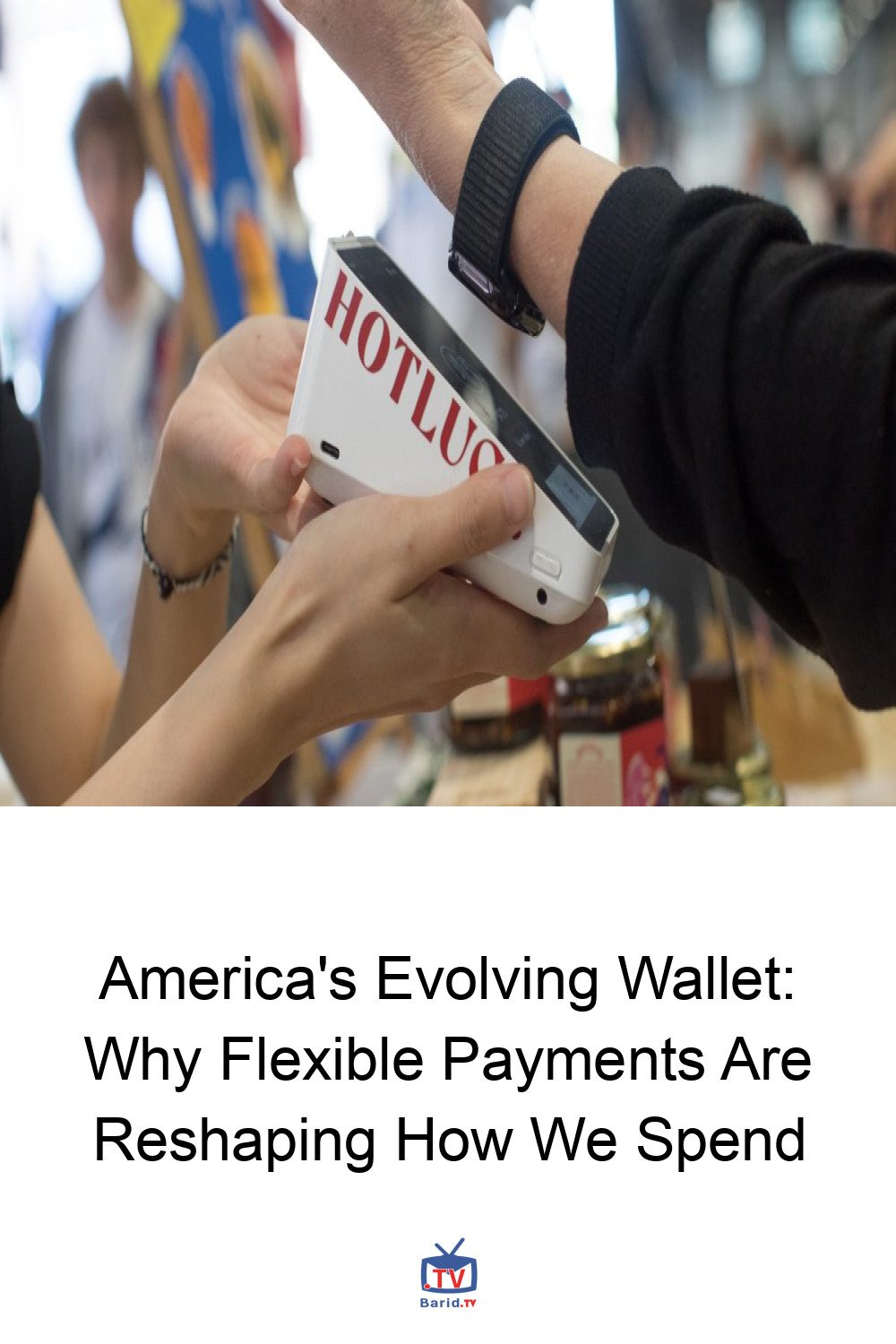
Remember a time when using a credit card for a simple lunch seemed extravagant, even irresponsible? A 1993 television report captured this sentiment perfectly, with a Burger King customer balking at the idea of charging a mere $3.10. Her objection stemmed from a deeply ingrained assumption: using credit for small purchases implied financial instability. Fast forward to today, and while that assumption still lingers, the landscape of everyday spending has undergone a profound transformation. Americans are increasingly opting for deferred payment solutions, not always out of necessity, but often for strategic financial management.
The Shifting Sands of Consumer Finance
A significant paradigm shift is underway, impacting individuals across all income brackets. People are increasingly leveraging tools that provide access to earned wages ahead of payday or offer structured deferred-payment options, moving beyond the confines of traditional financing like revolving credit cards.
Beyond Traditional Credit: BNPL and Early Wage Access
Recent data from Block reveals this trend is far from niche. Their survey of deferred-payment users found that nearly half (49%) utilized cash advances or early wage access in the past year, alongside a burgeoning adoption of “buy now, pay later” (BNPL) services. Crucially, this isn’t solely a lifeline for the financially vulnerable. Approximately two in five users of Afterpay’s Pay in 4 and Pay Monthly plans reported household incomes of $100,000 or more, demonstrating these tools’ broad appeal across the economic spectrum.
It’s Not Just About Affordability: The Timing Imperative
The common thread weaving through these evolving habits is timing. Consumers often have funds incoming—from paychecks, refunds, or other sources—that haven’t yet landed in their accounts. These modern payment tools bridge that gap, allowing expenses to align seamlessly with anticipated income. It’s estimated that U.S. workers, at any given moment, have earned roughly $260 billion in wages yet to be paid. A striking 65% of surveyed deferred-payment users financed an expense in the past year precisely because money was en route but hadn’t arrived.
This timing-centric approach helps explain a broader trend: a move away from persistent credit card balances. Federal Reserve data indicates that the share of credit cardholders carrying a balance at some point during the year dropped from 57% to 45% over the last decade. Concurrently, adult adoption of BNPL surged from 10% in 2021 to 16% in 2025. When carrying a revolving balance incurs costly interest, a payment plan with a clear cost and a defined payoff date becomes significantly more attractive.
The Quest for Predictability and Cash Flow Control
When consumers articulate their desires for payment plans, predictability consistently emerges as the top priority.
Protecting Your Financial Cushion
Our research shows that 57% of users prefer a fixed payment schedule—consistent amounts, set dates, and a clear endpoint—over flexible payment options. As one customer eloquently put it, “We could probably buy this upfront, but then we’d be talking about a cushion of 200, 300 dollars at the end of October, which is probably cutting it too close.” Spreading payments allows households to safeguard their cash buffer, preventing a sudden depletion of their accounts.
Necessity or Choice? The Dual Role of Flexible Payments
These products often serve a dual purpose. In some scenarios, they act as a vital lifeline: 53% of respondents’ most recent financed transactions were necessity-driven, where immediate funds were insufficient. Yet, in nearly half (47%) of cases, the customer could have paid upfront. This highlights that these aren’t distinct user groups, but rather different situations for the same individual. A consumer might use a payment plan out of necessity one month and to strategically preserve savings the next.
Modernizing Credit: The Need for New Underwriting Models
As consumers embrace these new repayment habits, a critical disconnect emerges with traditional credit systems.
The Limitations of Legacy Scoring
Legacy credit scoring models primarily look backward at reported debt. They often misinterpret a limited borrowing history as a lack of creditworthiness, even for individuals with stable incomes and a consistent record of on-time bill payments. This overlooks a vast segment of capable borrowers.
Forward-thinking underwriting models, like those employed by Block, consider current and historical cash flow trends, alongside a customer’s debt history. By analyzing the frequency and stability of incoming deposits against recurring financial commitments, these models can accurately assess repayment capacity that a static credit report simply misses. This dynamic view also enables responsible adjustments, such as reducing limits if incoming cash flow slows, ensuring commitments remain aligned with what a customer can handle.
A Call for Adaptive Regulation
For credit to truly reflect contemporary financial realities, regulation must evolve in tandem with these innovative products. Policymakers should champion the responsible use of cash-flow data in underwriting, ensuring that creditworthy borrowers aren’t unfairly excluded due to a lack of a traditional credit file. Furthermore, regulators should evaluate financial products based on their actual characteristics—loan size, duration, cost, and repayment structure—rather than shoehorning them into outdated categories. Transparent disclosures are paramount, clearly outlining total dollar cost, payment due dates, repayment end dates, and consequences of missed payments, empowering every customer with a complete understanding of their commitment.
For more details, visit our website.
Source: Link







Leave a comment