




From Robot Arm to Rapid Communication: Aarav Sharma’s BCI Breakthrough
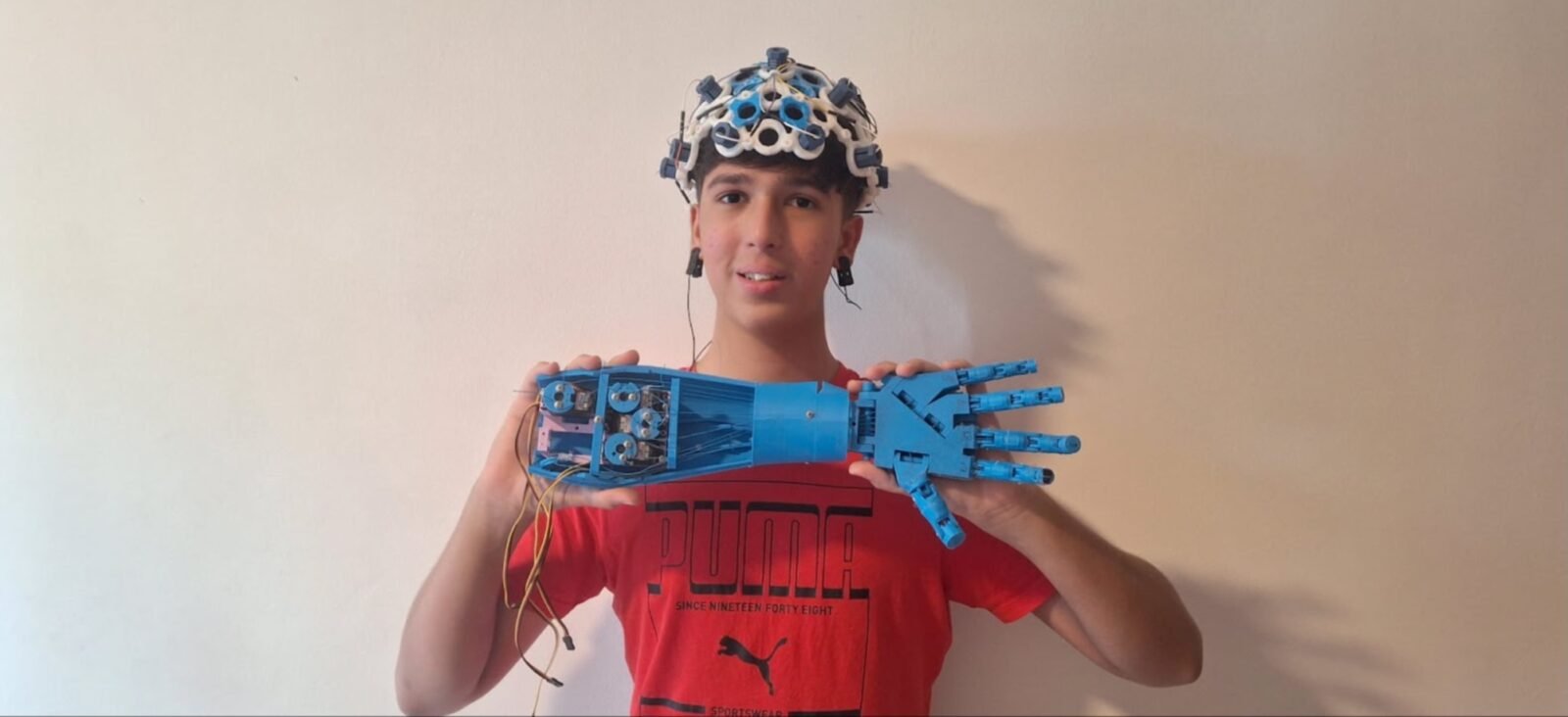
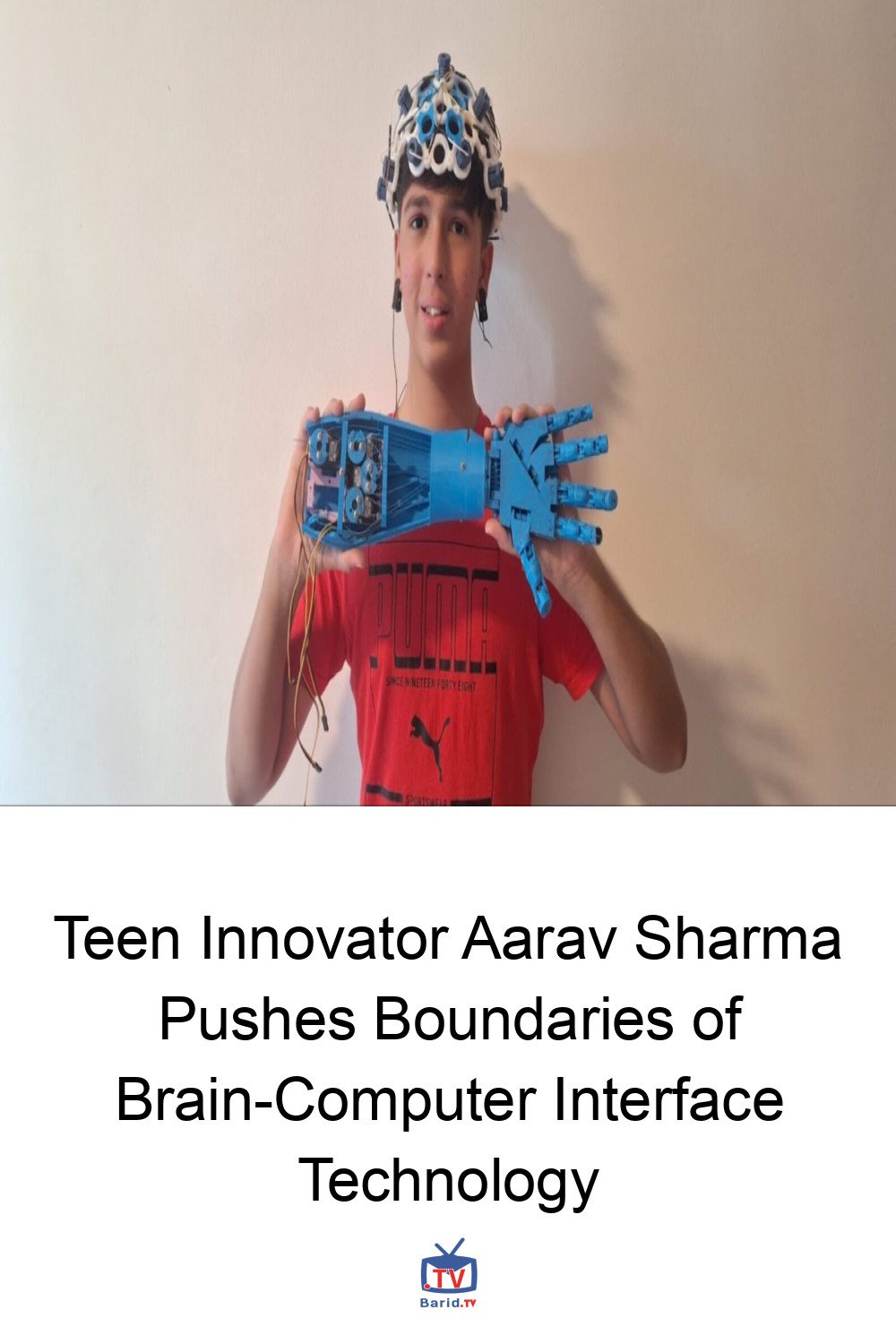
At just 14, Aarav Sharma captured the imagination of the tech world with his 3D-printed, brain-controlled robot arm. Far from resting on his laurels, this young innovator has been relentlessly pushing the frontiers of neurotechnology, evolving his initial project into a sophisticated, wider communication system. With crucial sponsorship from OpenBCI, Sharma has now unveiled a groundbreaking six-command Steady State Visually Evoked Potential (SSVEP) system, promising a new era of intuitive brain-computer interaction.
Decoding the Brain: How SSVEP Works
Sharma’s latest creation leverages the power of SSVEP, a fascinating aspect of brain-computer interface technology. Imagine controlling a device not with your hands, but with your gaze, interpreted directly by your brainwaves. Sharma explains it succinctly: “SSVEP is a type of brain-computer interface where different targets flash at different frequencies. When the user focuses on one target, the EEG headset detects the matching response in the brain and converts it into a command.” This ingenious method allows for precise, non-invasive control, translating focused attention into actionable commands.
Unprecedented Speed and Precision
The six-command BCI system developed by Sharma is not just innovative; it’s remarkably efficient. During demonstrations, users have showcased the ability to formulate and input full sentences in under five seconds. This impressive speed is further enhanced by intelligent word suggestions powered by an OpenAI language model, though critically, the user maintains ultimate control over the final output. This blend of AI assistance and direct brain input represents a significant leap forward in assistive communication technologies.
Rigorous Testing and Future Horizons
Sharma’s commitment to scientific rigor is evident in his testing methodology. For offline EEG data collection, users undergo approximately 60 trials, guided by the system to focus on specific flashing targets. He meticulously analyzes accuracy variations based on different data amounts, utilizing TFR graphs to verify detected frequencies and confusion matrices to identify any misinterpretations between targets. This thorough approach ensures the system’s reliability and paves the way for further refinements.
Looking ahead, Sharma envisions a future where his BCI transcends the confines of a computer screen. His ambitious plan involves integrating the user interface into Augmented Reality (AR) glasses, transforming it into a truly portable and practical experience. This vision promises to make brain-controlled communication seamlessly integrated into daily life, offering unprecedented independence and connectivity for individuals.
A Glimpse into the Future of Human-Computer Interaction
Aarav Sharma’s journey from a 14-year-old building a robot arm to a developer of advanced BCI communication systems is a testament to the power of youthful ingenuity and relentless dedication. His work, supported by OpenBCI and enhanced by AI, is not merely improving a brain-computer interface; it’s redefining what’s possible in human-computer interaction, offering a compelling glimpse into a future where thought itself becomes a powerful tool for communication and control.
For those eager to delve deeper into Aarav Sharma’s pioneering BCI projects, more information can be found at aaravinnovate.com/bci-neurova.
For more details, visit our website.
Source: Link







Leave a comment