




Reclaiming Your Screen: The Rise of ‘Vibe Coding’ Against Smart TV Bloat
Imagine settling down for an evening of entertainment, only to be greeted by a barrage of unwanted advertisements and the unsettling thought of your viewing habits being meticulously tracked. This increasingly common reality for smart TV owners is fueling a quiet revolution: “vibe coding.” Frustrated users are leveraging AI and open-source tools to strip away bloatware, block ads, and personalize their TV interfaces, signaling a clear message to manufacturers: consumers want control back.
The Genesis of ‘Vibe Coding’
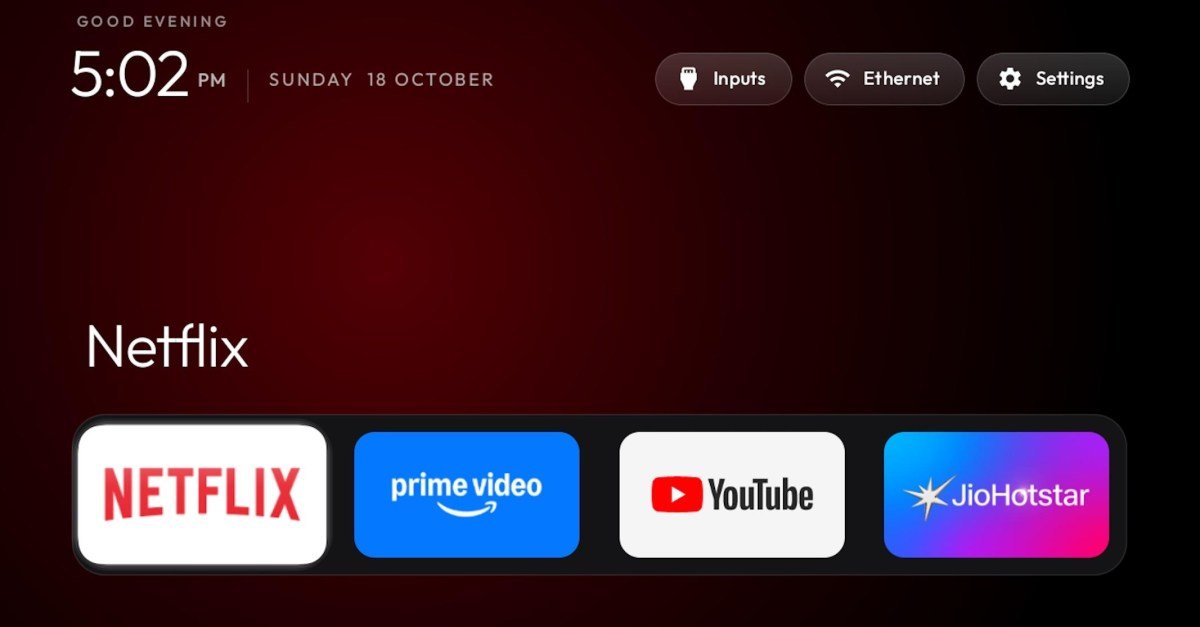
The term “vibe coding” has swept through social media, describing a burgeoning movement where individuals use large language models (LLMs) and readily available open-source utilities to fundamentally alter their smart TV experience. The objectives are clear: eliminate sponsored ads, streamline the operating system for faster performance, and prevent intrusive data collection. Beyond mere debloating, some users are even transforming their homescreens into whimsical, custom interfaces – one notable example being a Pokémon-themed TV launcher.
This surge in user-led customization isn’t just a playful experiment; it’s a powerful expression of discontent. TV manufacturers, take note: the desire for a clean, ad-free, and private viewing environment is paramount.
Popular Tools and How They Work
Over a recent weekend, projects like Cleanyourtv (formerly tv-vibehack), tv-detox, and dumbtv gained significant traction. These tools promise to deliver a debloated, ad-free, and privacy-enhanced TV experience without the need for complex “rooting” or firmware hacking. They typically replace the default app launcher with simpler alternatives, and many users further customize these with their own vibe-coded creations.
The majority of these initiatives target TVs running Android and Google TV operating systems (including brands like TCL, Hisense, Sony, and older Amazon Fire products). They exploit existing developer modes and the Android Debug Bridge (ADB) to modify settings and manage installed packages. Crucially, because they utilize built-in developer tools, these changes are reversible and don’t require deep system access, making them relatively safe for the average user.
It’s worth noting, as tech commentator Chris Person highlighted, that while AI tools like Claude Code can accelerate the creation of custom launchers, the underlying capabilities for debloating and customization have long existed within Android. AI, in this context, acts as an enabler, making these processes more accessible and faster for a broader audience.
Operating System Limitations and Data Collection Realities
While Android-based TVs offer fertile ground for vibe coding, users of Samsung’s Tizen OS, LG’s webOS, Roku, or Vizio’s SmartCast face greater hurdles. Customization for these platforms often requires more advanced hacking, such as rooting, which carries higher risks and complexity. Although some workarounds exist, like streaming an Apple TV-like launcher to a webOS TV, they don’t offer the same level of integrated control.
Furthermore, it’s crucial to understand that even the most robust vibe-coding efforts may not entirely halt data collection. A fundamental rule remains: if your TV is connected to the internet, some data will likely be transmitted. Tools like dumbtv can block specific manufacturer and ad partner addresses, akin to a network-wide ad blocker like Pi-hole. However, due to data encryption, precisely knowing what information is being sent remains a challenge.
The Shadow of Automatic Content Recognition (ACR)
The core of the data privacy concern lies with technologies like Automatic Content Recognition (ACR) and digital fingerprinting. These allow manufacturers to identify what content you’re watching, relay that information to ad partners, and subsequently serve targeted advertisements. Beyond ads, ACR also fuels audience metrics and personalized show recommendations.
While users are typically required to consent to ACR tracking, and opt-out options exist within TV menus, these settings are often deliberately obscure and difficult to locate. The same applies to disabling targeted ads. Even after navigating these labyrinthine menus, a lingering suspicion often remains that some data collection persists, fueling user anxiety.
Empowering the Viewer
The “vibe coding” phenomenon is a powerful testament to consumers’ desire for autonomy over their technology. It’s a proactive step to mitigate the frustrations of intrusive advertising, sluggish performance, and perceived privacy invasions. By taking matters into their own hands, users are not just optimizing their TVs; they are actively reclaiming their digital living rooms, striving for a viewing experience that is truly their own, free from unwanted intrusions. However, users should be aware of potential risks, such as voiding warranties or encountering unforeseen software issues, when modifying their devices.
For more details, visit our website.
Source: Link




Leave a comment