




The Unseen Battle for Worker Data in the AI Era
In an age where personal information is currency, the line between consumer privacy and employee data rights has become increasingly blurred. While individuals are often warned against feeding personal details into AI chatbots, employees frequently find themselves with little choice as a burgeoning, multi-billion-dollar industry thrives on acquiring work-related data to train and refine AI models. Traditional data privacy laws, largely focused on consumer protections, have historically overlooked the rights of workers who generate this invaluable information. What then, becomes of your doctor’s notes, employment contracts, or even casual workplace communications when they are absorbed into the machine?
A groundbreaking agreement, forged this week between Google and an unexpected champion—the Association for Flight Attendants (AFA)—offers a potential blueprint for safeguarding worker data. This deal, awaiting judicial approval, establishes a mechanism to reliably separate personal information from the vast troves of data produced by employees.
Spirit Airlines’ Data Sale: A $10 Million Dilemma
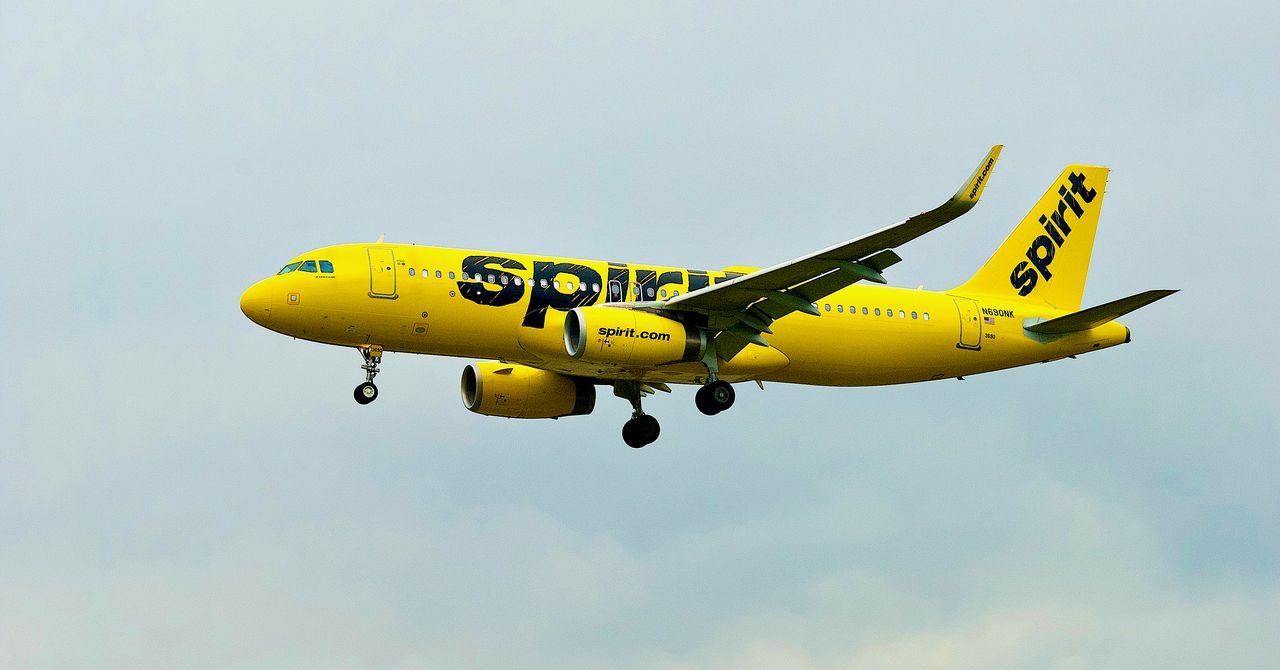
The genesis of this landmark accord lies in the liquidation of Spirit Airlines, which ceased operations earlier this year. In August, the budget airline announced its intention to sell decades’ worth of operational data to Google for $10 million, with Google asserting that no personal information would be included in the transaction. However, the 55,000-member AFA swiftly challenged this claim, arguing that Google’s proposed safeguards were insufficient to prevent severe privacy breaches for Spirit Airlines flight attendants. Their records—a staggering 1.99 billion emails, 664 million Microsoft Teams messages, and extensive travel and training data, all dating back to 1986—were slated for inclusion in the sale.
A Union’s Stand: Crafting a New Standard for Data Protection
The revised agreement mandates Spirit Airlines to engage Tonic AI, a third-party data de-identification specialist. Tonic AI’s crucial role will be to meticulously exclude any information that could potentially link back to individual consumers or employees. Furthermore, the company is tasked with ensuring that once data is de-identified, it cannot be re-linked to specific individuals. Google, for its part, has committed to maintaining the data exclusively in this de-identified format.
Excluding Sensitive Information
Crucially, the deal explicitly excludes numerous sensitive records from the sale, including employee medical records, documents pertaining to employee investigations and labor relations, and information related to industry-wide safety management systems. This exclusion was bolstered by concerns from an airline trade organization, which warned that including such data could deter employees from reporting critical safety issues through voluntary programs—a cornerstone of the US aviation industry’s robust safety record.
The agreement also features an opt-out clause, allowing Google to withdraw from the sale if the data-cleaning process reduces the total assets by more than 8 percent. Google has not yet commented on this development.
Beyond the Cockpit: Broader Implications for Worker Rights
Sara Nelson, president of the AFA, expressed her surprise at flight attendants leading the charge in AI-related workers’ rights—a domain often associated with employees whose jobs are directly threatened by automation. “It’s very hard to replace a flight attendant—you’d need a high-functioning robot, and that seems to be further off,” Nelson told WIRED. “What this shows is that this is an issue even in jobs you think are most protected from AI. This is an issue for everyone.”
The AFA plans to immediately push for similar worker-data-protection clauses in labor agreements across other airlines, vowing to “shame” those unwilling to meet these new standards. The union is also actively engaging with state-level politicians to legislate worker data protections into law.
Ari Ezra Waldman, a law and technology professor at UC Irvine School of Law, lauded the settlement as “a pretty good outcome” for Spirit Airlines employees, noting that it will empower unions to negotiate for privacy rights in future data asset sales. Waldman also suggested an even simpler alternative: an outright ban on data sales, emphasizing that “Privacy protections are necessary now more than ever.”
Challenging the AI “Abundance” Narrative
While some tech leaders champion the idea that workers understand their data will train AI models, ultimately leading to improved lives and “abundance,” Nelson firmly believes US workers are not buying into this optimistic vision. She describes the promise of AI abundance as a “fantasyland of people in boardrooms with beanbags who wear hoodies.” This sentiment reflects a growing public skepticism towards AI, underscoring the critical need for robust worker data protections as technology continues to evolve.
For more details, visit our website.
Source: Link







Leave a comment