



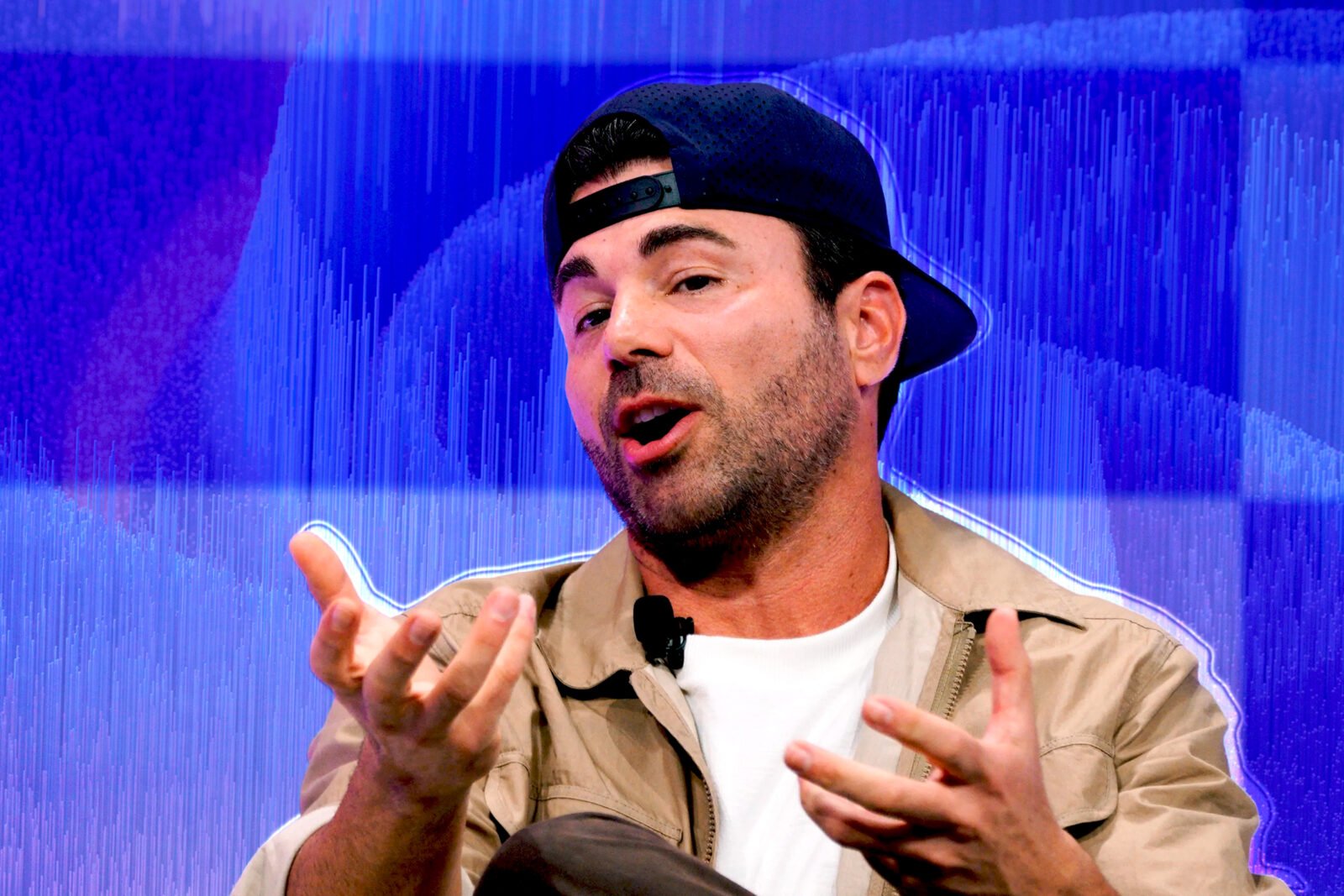

Mark Rober’s Masterclass: How to Thrive in the Age of AI-Generated Content
In an era increasingly saturated with AI-generated content, standing out on platforms like YouTube has become a formidable challenge for creators. Yet, one individual, a former NASA engineer turned science-YouTube phenomenon, has not only navigated this landscape but dominated it. With a staggering 85.7 million subscribers, Mark Rober offers a refreshingly simple, yet profoundly effective, strategy to differentiate authentic content from what he terms “AI slop.”
The Unrivaled Power of Reality and Human Ingenuity
Rober’s philosophy, as shared in a recent interview with Business Insider, boils down to a singular, compelling truth: go out and do something noteworthy in the real world. In a digital space where simulations and synthetic creations are becoming commonplace, the sheer authenticity of a genuine, tangible experience is what truly captivates an audience. “Do you want to see a simulation of someone dunking a basketball with a sick trick, or do you want to see someone actually do it?” Rober challenges. “The fact that you know it’s real is what makes it crazy.”
This commitment to real-world experimentation has been the bedrock of Rober’s meteoric rise. His channel is home to viral sensations like “How to Survive a Grenade Blast,” which boasts over 100 million views, and the wildly popular “Can you swim in Jello?”, racking up an astounding 224 million views. These aren’t just engaging videos; they are testaments to human curiosity, ingenuity, and the undeniable appeal of seeing the impossible, or at least the highly improbable, unfold before your eyes.
Building a Moat: Beyond the Algorithm
Rober confidently asserts that his unique approach provides a significant “moat” around his YouTube channel, safeguarding it from the encroaching tide of AI. It’s not just the spectacle of his experiments, but the recognizable human personality behind them that fosters a deep connection with viewers. This human element, coupled with genuine, real-world endeavors, creates a barrier that AI, at least for now, cannot replicate.
His success isn’t just measured in views; it’s also a robust business model. Last year, Rober’s YouTube videos generated approximately $17 million in revenue, a figure he notes was largely reinvested into production. Beyond YouTube, he’s the driving force behind CrunchLabs, a company dedicated to inspiring young minds through science and engineering maker kits. Employing over 200 people, CrunchLabs embodies Rober’s broader mission: to ignite curiosity and foster a lifetime of learning. “Curiosity is so important in this new age of AI,” Rober emphasizes, highlighting its role as a vital human trait in an increasingly automated world.
AI: A Double-Edged Sword for Content Creators
While Rober champions human-centric content, he acknowledges the complex role AI plays in the broader creator economy. AI tools present a conundrum: they can simplify production, yet simultaneously intensify competition, making it harder for individual channels to stand out.
The Upside: Bridging Language Barriers
For some creators, AI offers unprecedented opportunities for growth. Translation startups like Linguana, for instance, leverage AI dubbing, translated thumbnails, and descriptions to help YouTubers expand their reach globally without the arduous task of manual translation. Linguana reported generating 10,000 video translations monthly for hundreds of YouTubers, demonstrating AI’s potential to unlock new audiences and revenue streams from existing content.
The Challenge: The Devaluation of Technical Execution
However, this ease of production comes with a significant competitive challenge. As more creators produce similar content with AI assistance, Rober warns that technical execution alone may lose its value. Channels relying heavily on anonymous narration or animation, which can be easily replicated or even surpassed by AI, could face immense pressure as competitors churn out content faster and cheaper. The differentiator, then, shifts from technical prowess to undeniable originality and human authenticity.
The Enduring Value of the Real
Mark Rober’s journey offers a compelling blueprint for content creators grappling with the rise of AI. In a world awash with digital facsimiles, the most potent strategy isn’t to out-automate the machines, but to double down on what makes us uniquely human: our capacity for real-world exploration, genuine curiosity, and the creation of experiences that simply cannot be simulated. The future of engaging content, it seems, lies not in escaping reality, but in embracing it with renewed vigor.
For more details, visit our website.
Source: Link







Leave a comment