



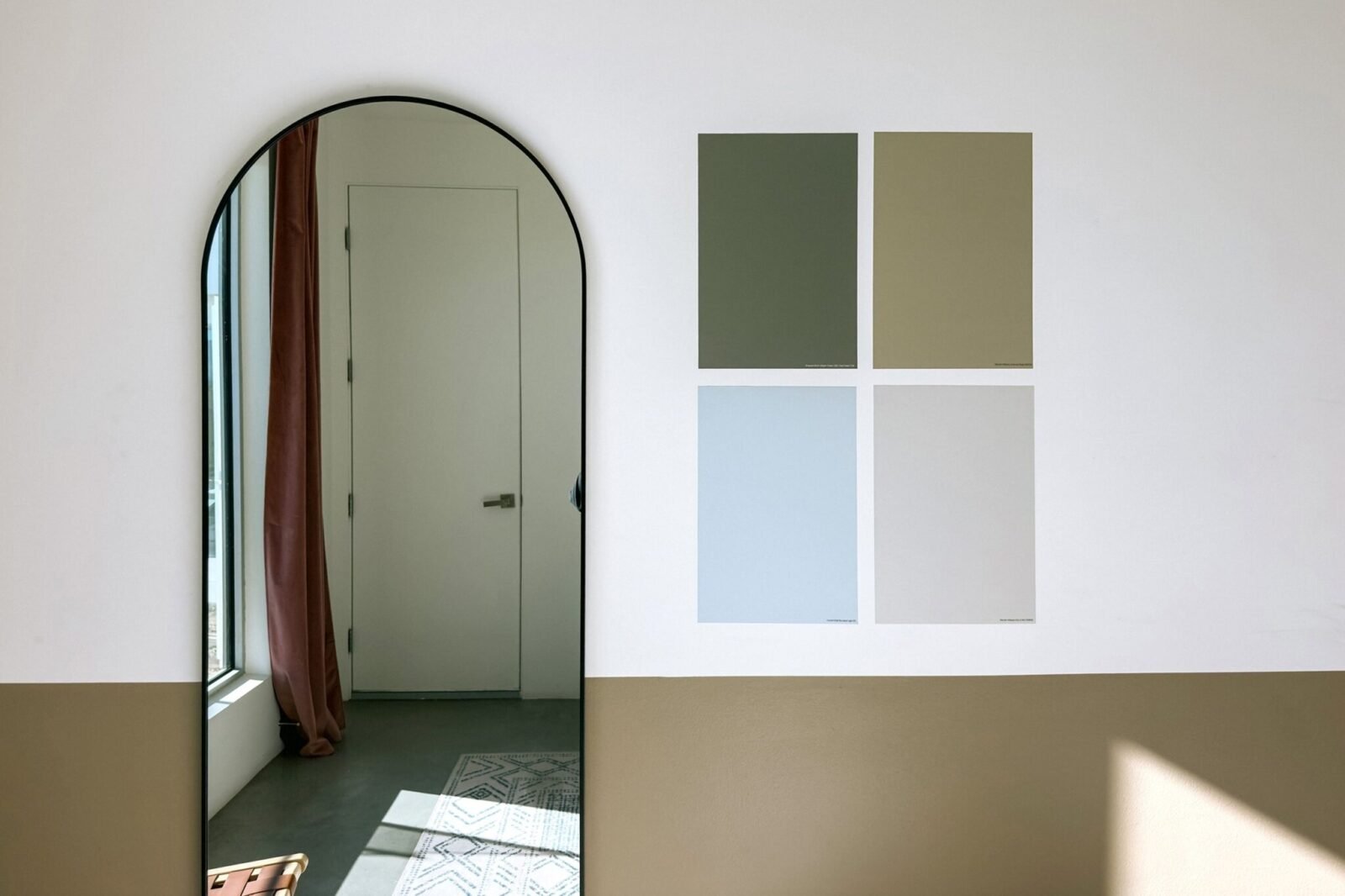

Forget what the annual “Color of the Year” declarations tell you. While brands, forecasters, and designers offer their predictions, a groundbreaking new report dives deeper, revealing the true inclinations of American homeowners not by what they buy, but by what they consider.
The Samplize Report: A New Lens on Paint Trends
The inaugural Samplize American Paint Color Report offers an unprecedented look into the decision-making process, analyzing millions of paint samples ordered across the United States from early 2024 through mid-2026. By tracking samples from leading brands like Benjamin Moore, Farrow & Ball, and Sherwin-Williams, Samplize uncovers the real shortlists homeowners are weighing, the colors tested side-by-side, and how preferences span across different manufacturers.
Beyond the Purchase: Understanding Consideration
Makenna Lutz, Samplize’s partnerships lead, highlights the power of this data: “Analyzing this sampling stage reveals three things: the full shortlist a person actually weighed, which colors get tested against each other, and how that shortlist spans brands.” This unique perspective offers a more authentic snapshot of evolving tastes than traditional sales data.
America’s Palette is Warming Up
The most striking revelation? A dramatic shift towards warmer tones. Over the three-year study period, warm colors grew almost three times faster than cool colors, now constituting a significant 69.4% of all samples tested on Samplize—up from 64.3% just two years prior. Furthermore, a remarkable half of all American shortlists contained no cool colors at all, a notable increase from 43% at the study’s outset.
Dark Doesn’t Mean Cold: The Nuance of Depth
While a swing towards warmth might suggest a return to pale beiges and creams, the data tells a more sophisticated story. “The genuine surprise was in the split by depth,” Lutz explains. “We expected the warming to show up as lightening—it didn’t. Warm outgrew cool at every depth, and the deepest warm tones grew fastest of all, roughly six times faster than deep cool tones.”
This means homeowners aren’t shying away from dramatic, rich interiors. Instead, the temperature of that drama is changing. Examples range from the soft, blush-toned plasters and warm creams like Farrow & Ball’s Setting Plaster, Benjamin Moore’s Proposal, and Sherwin-Williams’ Malted Milk, to the surprisingly popular Benjamin Moore’s Classic Burgundy—one of the darkest colors studied, yet growing at a comparable pace.
The Rise of Earthy Browns and Steadfast Greens
Reinforcing this shift, brown shades emerged as the fastest-growing color family, now appearing in 13.4% of shortlists, up from 9.2%. However, these aren’t the saturated chocolate or terracotta tones of yesteryear. Instead, homeowners are drawn to muted greiges, warm grays, and stone-like shades such as Sherwin-Williams’ Warm Stone and Urbane Bronze, Farrow & Ball’s London Clay, and Benjamin Moore’s Smokey Taupe.
Green, a long-time favorite, appears to have found its stable place in the American palette. After a sharp ascent and sustained popularity, it now features in 34.6% of shortlists, encompassing a spectrum from serene sage and moss to vibrant botanical greens.
Temperature Trumps Individual Hues
The underlying data suggests that temperature might be a more significant driver than specific color families. Two-thirds of shortlists contained colors from only one temperature group, with half being exclusively warm. Only about a third dared to mix warm and cool shades, indicating a strong preference for cohesive thermal palettes.
Intriguingly, the warming palette also shows signs of becoming more colorful. Pink and red, though starting from smaller bases, are the fastest-growing color families. The combination of “warm-and-deep” proved to be the most rapidly expanding category of temperature and depth.
A Spectrum of Warmth
While this three-year snapshot doesn’t predict the exact shades on American walls years from now, it clearly illustrates a profound shift. This isn’t merely a return to lighter, quieter neutrals. From the delicate blush of plaster pinks to the grounding presence of weathered browns and the dramatic allure of deep reds, Americans are confidently exploring and embracing warmth across the entire color spectrum.
For more details, visit our website.
Source: Link






Leave a comment