





The AI Revolution’s Unseen Workforce: A Call for 200,000 Telecom Professionals
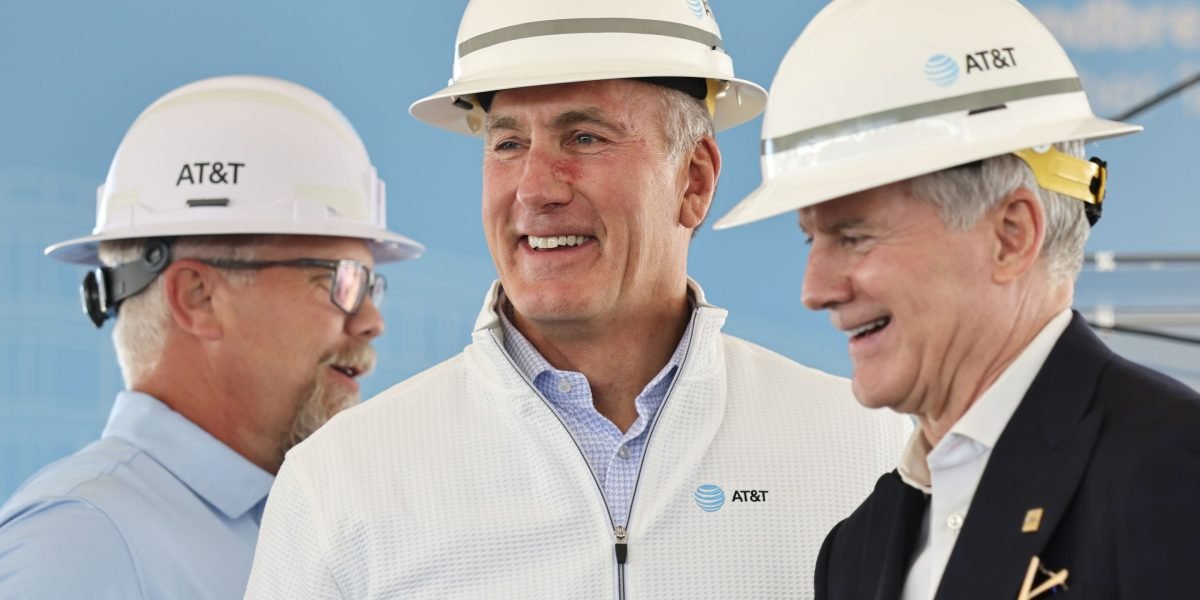
The relentless march of artificial intelligence is not just transforming industries; it’s reshaping the very foundations of the U.S. economy. With an estimated $800 billion slated for data center development in 2026 alone, the AI-driven infrastructure boom is creating an unprecedented demand for a specialized workforce. Yet, a critical shortage of skilled workers threatens to impede this progress, a challenge AT&T CEO John Stankey is urgently highlighting.
A Looming Labor Gap in Telecommunications
According to Stankey, the telecommunications industry faces a significant hurdle: by 2032, it will require nearly 200,000 additional construction and technician workers. “We all know there’s a huge building boom going on, trying to bring the next foundational technology of AI out, and all those data centers have to be connected,” Stankey explained on the This Old House Radio Hour podcast. This demand isn’t solely driven by new data centers; the ongoing expansion of broadband infrastructure to homes and businesses, coupled with a wave of retirements, further exacerbates the need for new talent.
Beyond the Degree: High-Paying Opportunities for Gen Z
For a generation increasingly questioning the value of a traditional four-year degree, this labor shortage presents a compelling alternative. Entry-level roles in telecommunications—such as fiber technicians, telecommunications installers, and construction jobs—typically do not require a bachelor’s degree. Instead, companies like AT&T offer comprehensive paid, on-the-job training, focusing on “skills and potential” rather than academic credentials.
These aren’t just stable jobs; they’re lucrative. The U.S. Bureau of Labor Statistics reports a median annual salary around $70,000 for these positions, with total compensation potentially soaring into six figures when factoring in overtime and performance bonuses. AT&T, for instance, provides sign-on bonuses of up to $10,000 in select markets, demonstrating the urgency of their recruitment efforts. New fiber splicers receive four weeks of intensive hands-on training, while line technicians undergo five weeks, including certification for a commercial driver’s license. Since 2023, AT&T has successfully onboarded 10,000 workers into these vital roles, though Stankey admits, “Now, we’re having to work real hard to find the talent.”
The Broader Crisis: Destigmatizing Skilled Trades
The demand for skilled labor extends far beyond telecommunications. The same data center construction frenzy pressures the supply of electricians, plumbers, and HVAC technicians—the backbone of modern infrastructure. Recognizing this widespread issue, AT&T has joined forces with other Fortune 500 giants like Meta, Google, and Ford to establish the Alliance for America’s Skilled Trades. This coalition aims to tackle the U.S. skilled labor shortage, which projects a need to fill approximately 1.7 million skilled trades openings annually through 2035, with current training programs meeting only half that demand.
At the heart of filling this gap, Stankey argues, is the critical need to destigmatize careers that diverge from the traditional college-to-white-collar path. “There’s other people who love to be outdoors; they like to work with their hands; they like physical aspects, and that’s just as valid as somebody who does thought work in a white-collar administrative complex,” Stankey asserted. He emphasized the societal imperative to respect all forms of labor, urging a balanced perspective that values diverse talents and contributions.
As the digital age accelerates, the unsung heroes of connectivity—the fiber technicians, installers, and construction workers—are becoming more indispensable than ever. Their stable, well-paying jobs, accessible without a four-year degree, represent a significant opportunity for individuals and a vital necessity for the nation’s economic and technological future.
For more details, visit our website.
Source: Link







Leave a comment