




In the dynamic world of architecture and interior design, few philosophies resonate as profoundly as that of Elliot March, co-founder of the globally acclaimed MAWD | March and White Design. For March, design isn’t about imposing a predetermined aesthetic; it’s about a deeply intuitive process of listening to a space, allowing its inherent character, location, and daily rhythm to dictate its form and function. This unique approach has propelled MAWD from a burgeoning British firm to an international powerhouse, crafting environments that don’t just exist, but truly belong.
The Genesis of a Design Powerhouse
The foundation of MAWD was laid not in a boardroom, but in a shared moment of tardiness at the University of Edinburgh. Elliot March and James White, both late for the same class, discovered a mutual passion for architecture and design. Their early careers saw them honing their skills in larger practices, with White developing a particular affinity for interiors and their experiential impact. By 2010, the duo’s shared vision for a more holistic, freedom-driven approach to design culminated in the establishment of MAWD. March, in particular, has been instrumental in steering the firm’s evolution, overseeing a diverse portfolio spanning luxury residential, hospitality, and even superyacht interiors.
A Philosophy Forged by Place
March’s design ethos is refreshingly organic. “I’d rather let the architecture, location, light, materials, and daily life of a space lead us somewhere,” he explains. “When all of those things come together naturally, the result feels like it belongs there.” This commitment to contextual design ensures that each MAWD project is not merely beautiful, but deeply integrated with its surroundings, reflecting a sense of authenticity and timelessness.
Elliot March’s Wellsprings of Inspiration
To understand March’s work is to understand his inspirations. He shares five locations that have profoundly shaped his perspective, each a testament to the power of place.
Wynwood Walls, Miami
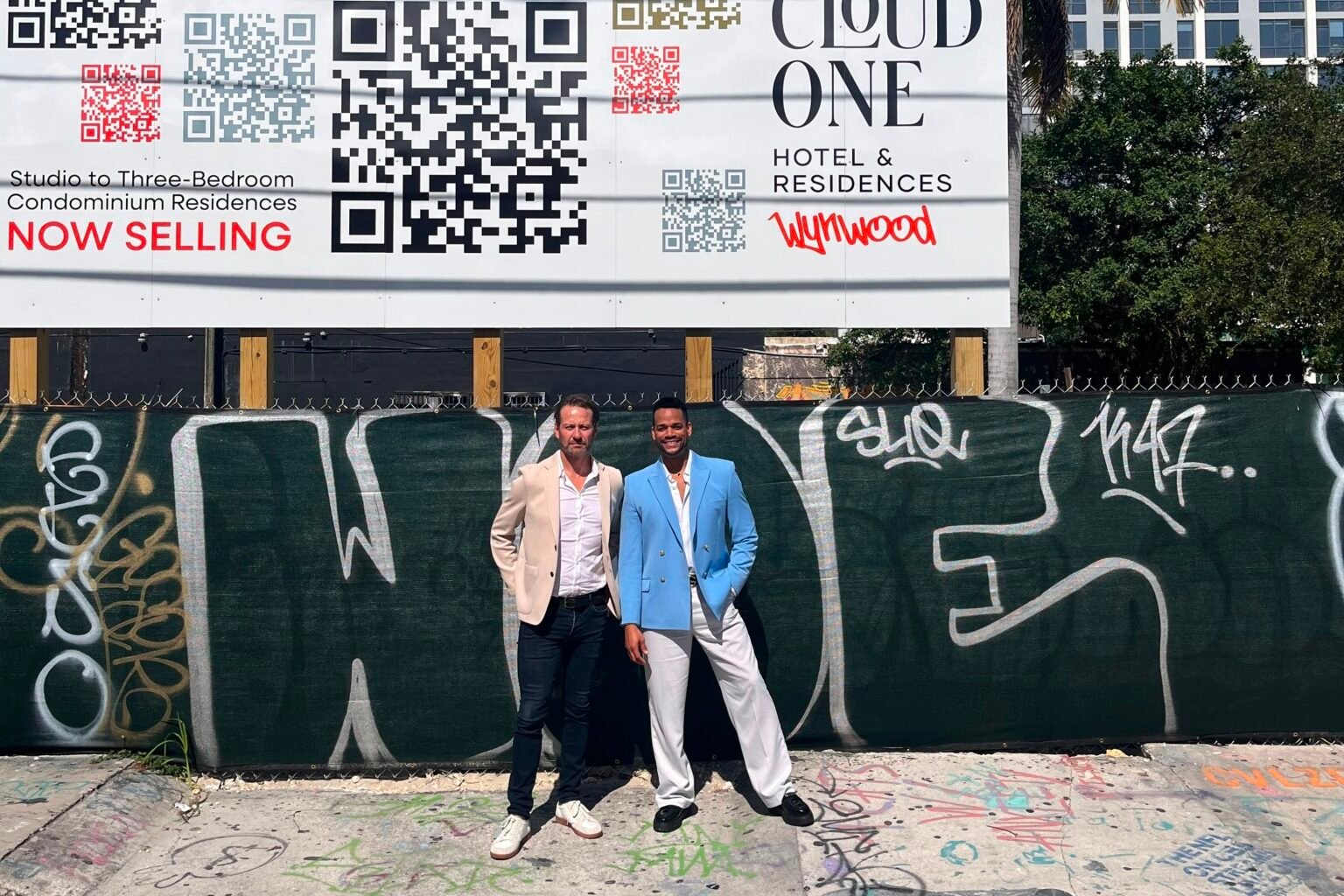
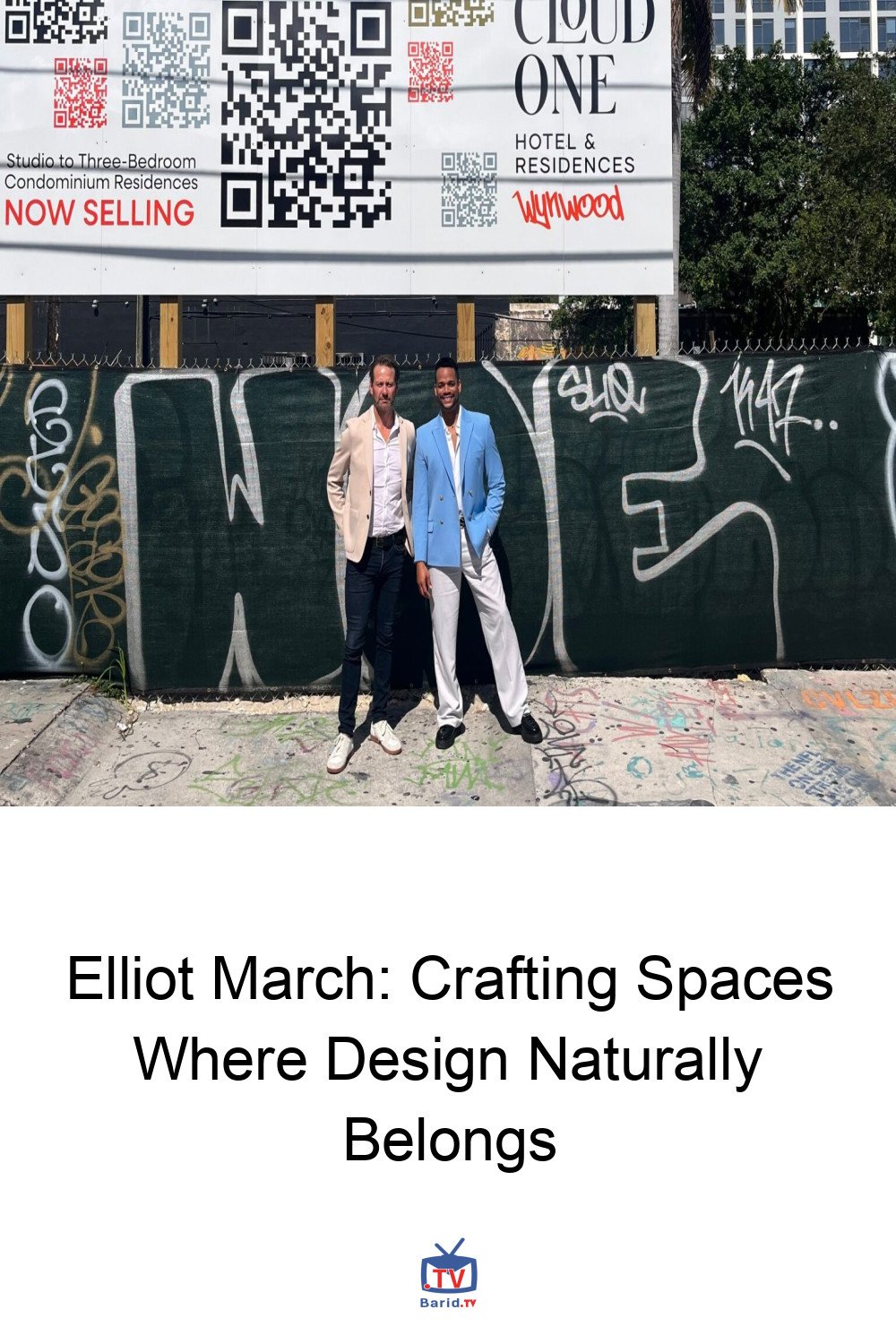
Miami’s Wynwood neighborhood, a canvas of vibrant murals against an industrial backdrop, offers March a continuous source of fascination. His work on The Cloud One Hotel & Residences Wynwood has immersed him in its unique energy. “I love the energy of the murals against the area’s industrial backdrop and the constant tension between raw materials and expression,” he notes. This interplay of grit and artistic flair informs his desire for projects to feel intrinsically connected to their environment, rather than merely occupying it.
Paso Robles Wineries, California
The wineries of Paso Robles captivate March with their harmonious relationship with the landscape. Here, architecture recedes, allowing nature to take center stage. “The local stone, timber, concrete, and weathered materials have a particular quality that feels both grounded and tactile,” March observes. He admires how buildings frame the vineyards, creating a dialogue rather than a competition, where material, light, and nature perform the primary design work.
Yucca Valley, California
A sunset cycle through Yucca Valley serves as March’s meditative escape and a potent reminder of perception. The rapid transformation of the landscape at dusk—warmer colors, stretching shadows—reveals familiar sights anew. “I love that reminder to slow down and really look,” he says, emphasizing that profound design often stems from observing and appreciating what already exists.
Parte Vieja, San Sebastián, Spain
Wandering through San Sebastián’s historic Parte Vieja quarter, March finds beauty in its unstudied character. Worn stone, painted façades, timber, and tiled thresholds tell a story of layered history, coalescing without feeling “overly considered.” He is drawn to places that evolve organically, where imperfections and the traces of human use contribute to their inherent charm and beauty.
Taos Pueblo, New Mexico
The ancient Taos Pueblo historic site profoundly moves March with its directness and deep connection to its environment. The architecture, crafted from local materials in simple forms, exudes warmth and presence. “Nothing feels arbitrary,” March states, highlighting how the Pueblo exemplifies meaningful architecture that emerges authentically from its surroundings, its materials, and the people who have shaped it over centuries.
MAWD Projects: Embodiments of a Vision
March’s philosophy is vividly brought to life in MAWD’s diverse portfolio. Two projects, in particular, underscore his commitment to contextual design.
The Cloud One Hotel & Residences Wynwood
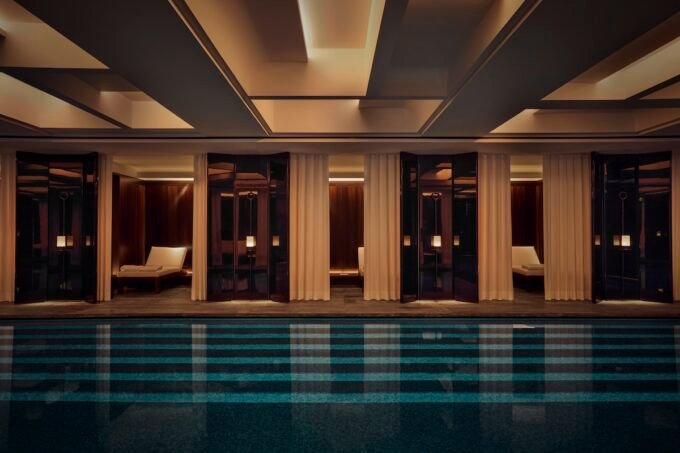
This project holds special significance for March due to its deep integration with the vibrant Wynwood neighborhood itself. “I’ve always been interested in neighborhoods where different histories and influences sit side by side,” he explains. The design intentionally captures Wynwood’s essence—from its industrial past to its artistic present—through exposed concrete, wild oak, bronze, lush planting, and curated art. The goal was to balance the external energy with an internal sense of calm and comfort, creating a true retreat that still feels connected to its dynamic locale.
The Greenwich by Rafael Viñoly
The Greenwich in Manhattan’s Financial District represents a pivotal moment for March and MAWD. Invited by the late Rafael Viñoly to lead the interiors, this project prompted March’s relocation to New York and the establishment of MAWD’s NYC headquarters. It also gave us the chance to bring our superyacht design expertise to a residential project, creating an unparalleled sense of luxury and bespoke detailing within a Manhattan landmark.
For more details, visit our website.
Source: Link






Leave a comment