



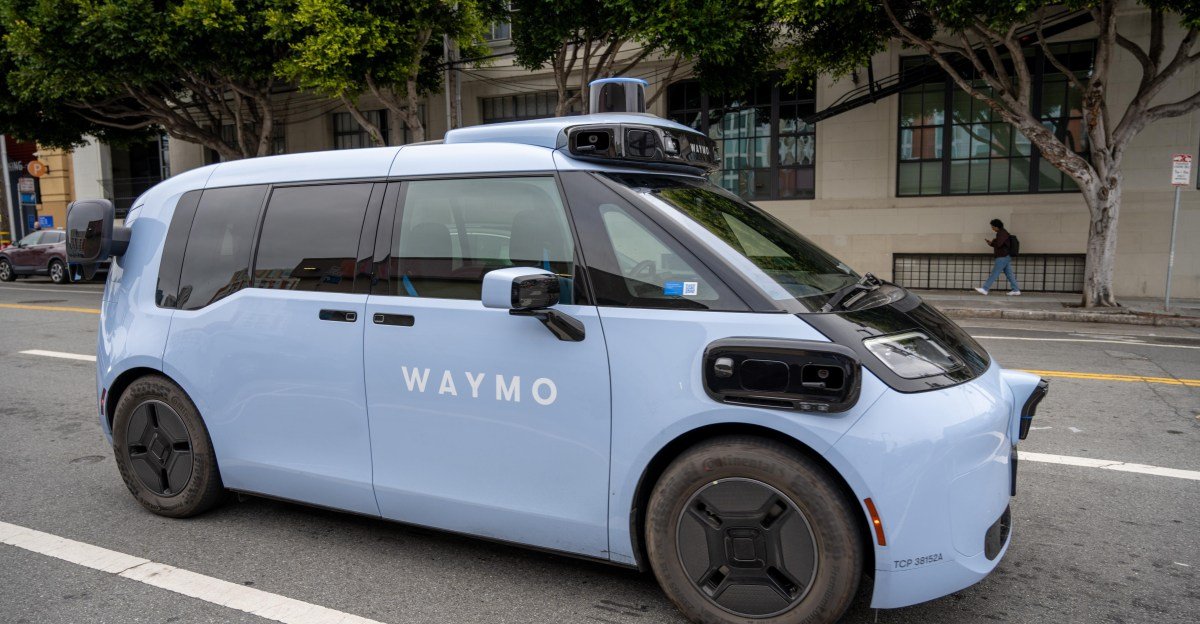

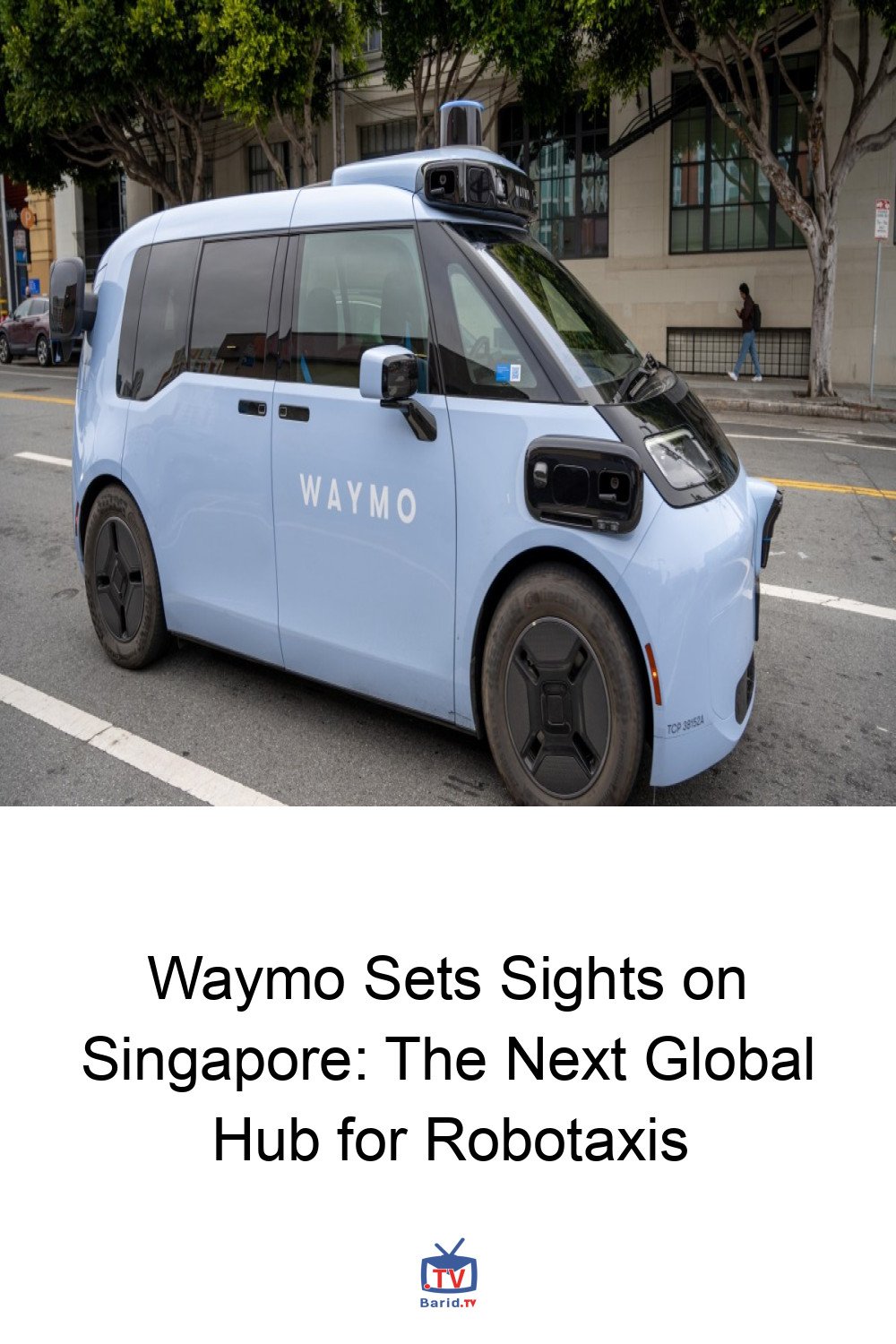
Alphabet’s self-driving technology pioneer, Waymo, has officially announced its ambitious plans to launch a commercial robotaxi service in Singapore by 2028. This strategic move marks a significant step in the company’s international expansion, positioning the high-tech city-state as a crucial new market in the burgeoning autonomous vehicle industry. The announcement, made on September 18, 2026, signals Waymo’s intent to accelerate its global footprint, even as it navigates complex regulatory landscapes closer to home.
Singapore: A New Frontier for Autonomous Mobility
The choice of Singapore is no coincidence. The island nation has long cultivated a reputation as a global leader in smart city initiatives and advanced transportation solutions. Waymo’s vehicles are slated to arrive in Singapore in the coming months, initiating a rigorous phase of mapping and autonomous testing, initially with human safety drivers, throughout 2027. The ultimate goal is to offer fully autonomous ride-hailing to the public by 2028, transforming urban transit in one of the world’s most efficient cities.
The Road to 2028: Testing and Approval
Before Waymo’s robotaxis can ferry passengers, they must secure the green light from Singapore’s stringent Land Transport Authority (LTA). The city-state mandates that all autonomous vehicles undergo a comprehensive safety assessment at the Centre of Excellence for Testing and Research (CETRAN). These rigorous tests, developed collaboratively by LTA, CETRAN, and the Traffic Police, ensure the highest safety standards. Waymo, however, is not a complete newcomer; it established a corporate entity in Singapore earlier this year and actively participates in the nation’s Steering Committee on Autonomous Vehicles, indicating a well-prepared entry.
Singapore’s Autonomous Vehicle Ecosystem
Singapore has emerged as a vibrant testbed for autonomous technologies. Its forward-thinking authorities have already approved various self-driving applications, from autonomous freight delivery and road-sweepers to self-driving buses serving airport workers. This progressive environment has also attracted other players, with Motional, a US-based company majority-owned by Hyundai, having conducted a robotaxi pilot in Singapore as early as 2016. This rich ecosystem provides Waymo with a fertile ground for deployment and innovation.
Global Ambitions: Beyond the Lion City
Waymo’s expansion strategy extends far beyond Singapore’s shores. The company has previously articulated plans for a robotaxi service in London by the end of 2026, followed by Tokyo in 2027. Further solidifying its European presence, Waymo intends to introduce its autonomous vehicles to Munich, Germany, in late 2027, marking its inaugural foray into the European Union. This aggressive international rollout underscores Waymo’s commitment to becoming a global leader in autonomous mobility.
Navigating Domestic Headwinds
While Waymo expands internationally, its journey in the United States has faced a mix of successes and challenges. The company currently operates approximately 4,000 vehicles across about 15 US cities, including recent additions like Nashville, Denver, San Diego, and Las Vegas. However, significant regulatory hurdles and political opposition have stalled its entry into major American urban centers such as New York City, Chicago, and Washington, D.C. This contrast highlights a strategic pivot: as the robotaxi debate continues to intensify domestically, Waymo is clearly signaling its intent to pursue robust growth overseas, showing no signs of slowing down its global ambitions.
Waymo co-CEO Tekedra Mawakana lauded Singapore’s “safest, most efficient, and most forward-thinking transportation ecosystems,” emphasizing the alignment between the city-state’s values and Waymo’s core principles of reliability, sustainability, and human-centric progress. As Waymo prepares to roll out its advanced autonomous technology in Singapore and other key international markets, the company is not just expanding its business; it’s actively shaping the future of urban transportation on a global scale, demonstrating that the road to autonomous driving is truly worldwide.
For more details, visit our website.
Source: Link








Leave a comment