
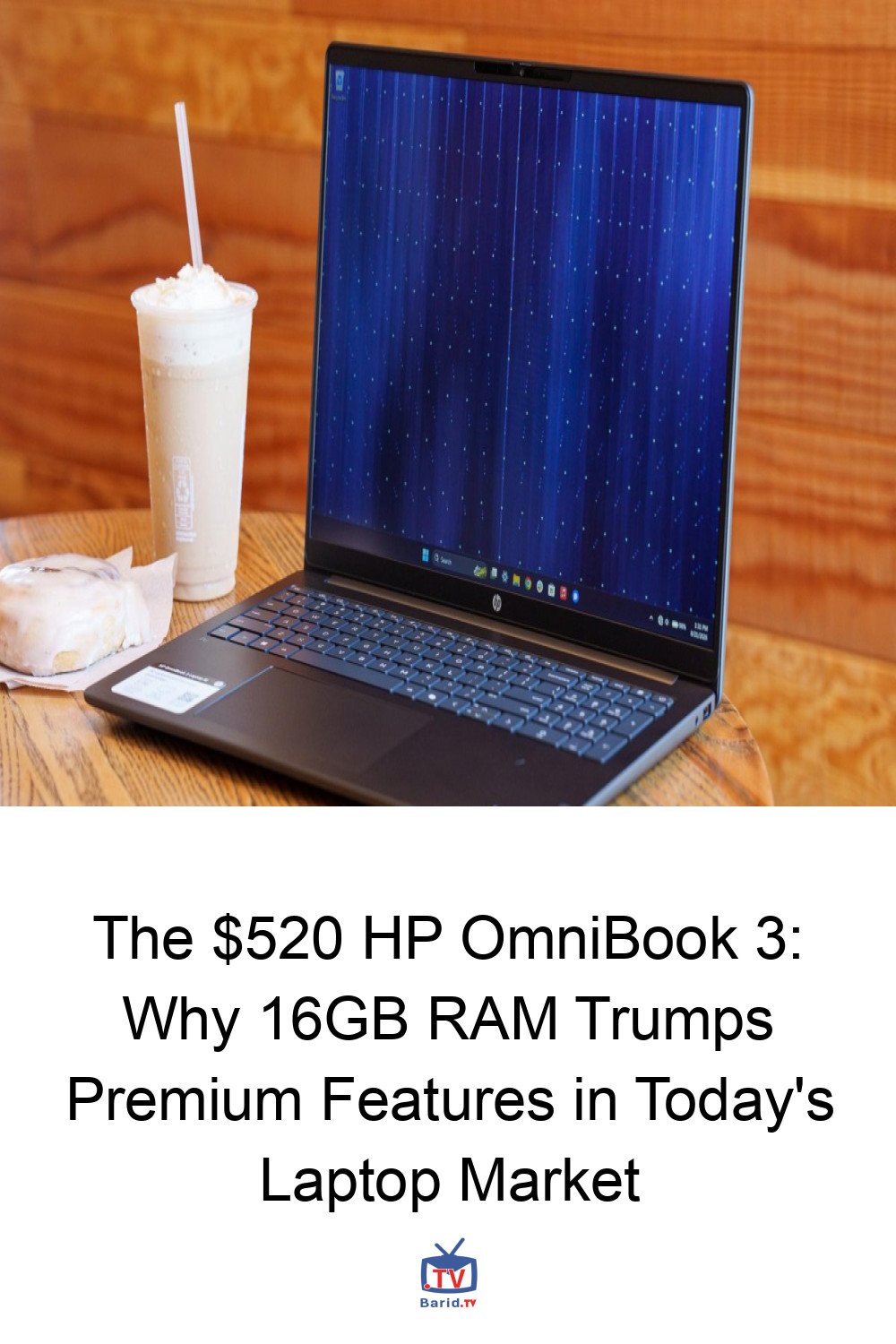
In an era where laptop prices seem to spiral ever upwards, and even mid-range machines skimp on essential specifications, the HP OmniBook 3 16 emerges as a surprising beacon of value. This isn’t a device designed to dazzle with cutting-edge aesthetics or a luxurious build; instead, it’s a testament to a fundamental truth in computing: raw memory capacity often outweighs superficial polish, especially when budgets are tight.
The Shifting Sands of Laptop Value
Remember when $500 bought you a perfectly tolerable laptop and $900 secured a truly excellent one? Those days, it seems, are a distant memory. The market has been upended, with what the original author aptly terms “RAMageddon” pushing even premium devices like the $950 Surface Laptop to ship with a paltry 8GB of RAM – a figure increasingly insufficient for modern multitasking. Manufacturers, battling to compete with offerings like the $700 MacBook Neo, are often forced to compromise on storage, CPU, and build quality, leaving consumers in a quandary.
Enter the HP OmniBook 3: A Budget Game-Changer
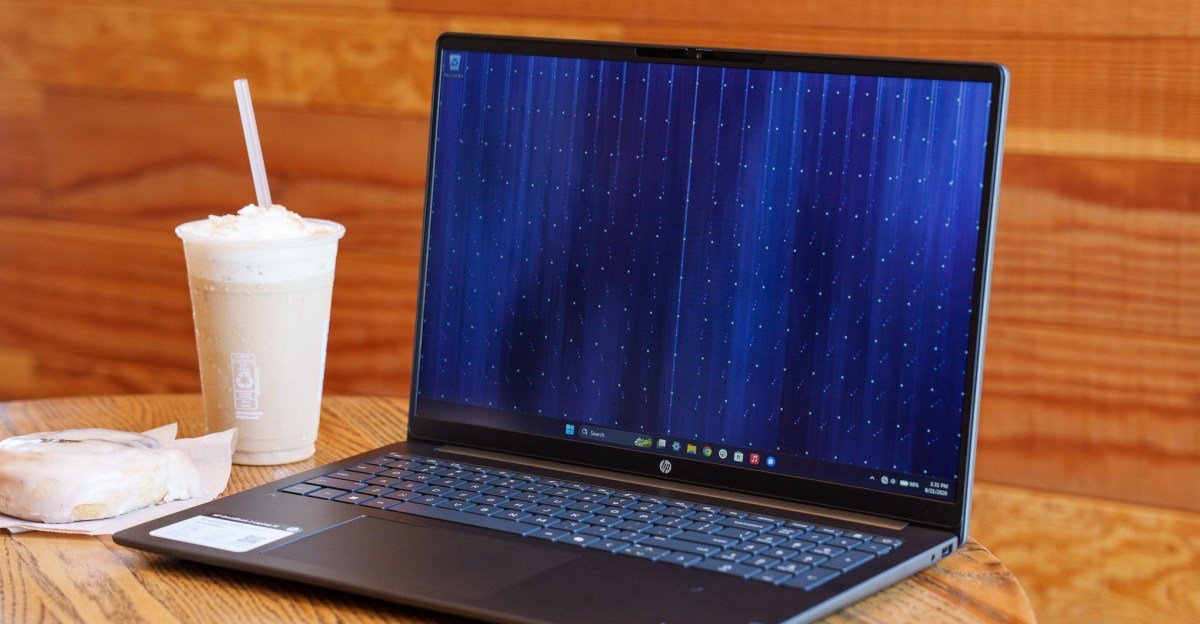
Amidst this challenging landscape, HP’s 16-inch OmniBook 3 stands out. Regularly priced around $520 at major retailers like Walmart and Amazon, this isn’t a machine that will win beauty contests. It features Qualcomm’s base Snapdragon X chip, delivering acceptable everyday performance and commendable battery life. Its screen is unremarkable, speakers are mediocre, the trackpad is standard fare, and the chassis is plastic. In a pre-“RAMageddon” world, it would barely warrant a second glance.
However, its true strength lies in its core specifications: a generous 16GB of RAM paired with a 512GB SSD. For a laptop hovering around the $500 mark in 2026, these are not just good specifications; they are transformative. This configuration ensures a smoother, more responsive user experience, allowing for multiple applications and browser tabs to run concurrently without the frustrating slowdowns endemic to 8GB systems.
Performance Where It Counts: Daily Usability
The OmniBook 3, while not a powerhouse, prioritizes practical usability. Its 8-core Snapdragon X processor, combined with 16GB RAM and a 512GB SSD, makes it a capable machine for general productivity tasks. Despite its 16-inch display, it remains surprisingly portable, weighing only slightly more than a 14-inch MacBook Pro and boasting a slim profile of 0.63 inches (16mm). The plastic chassis, while not premium, doesn’t feel overtly cheap, striking a decent balance for its price point.
A Closer Look at the Features: Hits and Misses
- Screen: A 16-inch 1920 x 1200 anti-glare IPS LCD, peaking at 300 nits brightness and covering 62.5% sRGB. It’s functional, if not vibrant, and avoids common issues like light bleed.
- Webcam: A 1080p camera that offers decent sharpness and handles backlighting surprisingly well, even featuring Windows Hello face unlocking.
- Trackpad: A mechanical, diving-board style trackpad with a satisfying, confident “kachunk-y” click.
- Keyboard: While it includes a generously sized number pad (a boon for many), the keyboard itself is noted as being a little stiff, potentially leading to more typos for some users.
- Speakers: Dual speakers that are unfortunately treble-heavy and lack bass, making them merely tolerable.
- Ports: A solid selection including two USB-C, two USB-A, and HDMI, plus a compact 65W GaN USB-C charger.
The Verdict: A Pragmatic Choice in a Pricey Market
The HP OmniBook 3 isn’t about luxury; it’s about utility and smart resource allocation. In a market where corners are often cut on the most vital components, HP has made a deliberate choice to equip this budget laptop with ample RAM and storage. This decision elevates it from being merely “okay” to genuinely “good news” for consumers seeking a functional, responsive machine without breaking the bank. It serves as a stark reminder that sometimes, the most practical choice isn’t the one with the most bells and whistles, but the one that delivers on core performance where it truly matters.
For more details, visit our website.
Source: Link