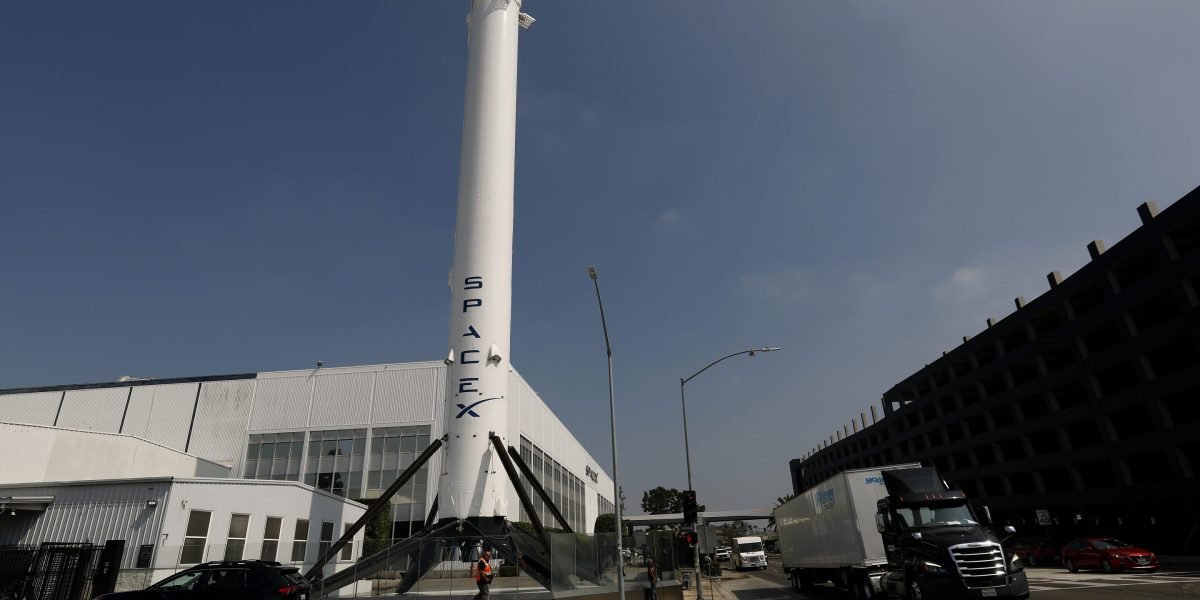

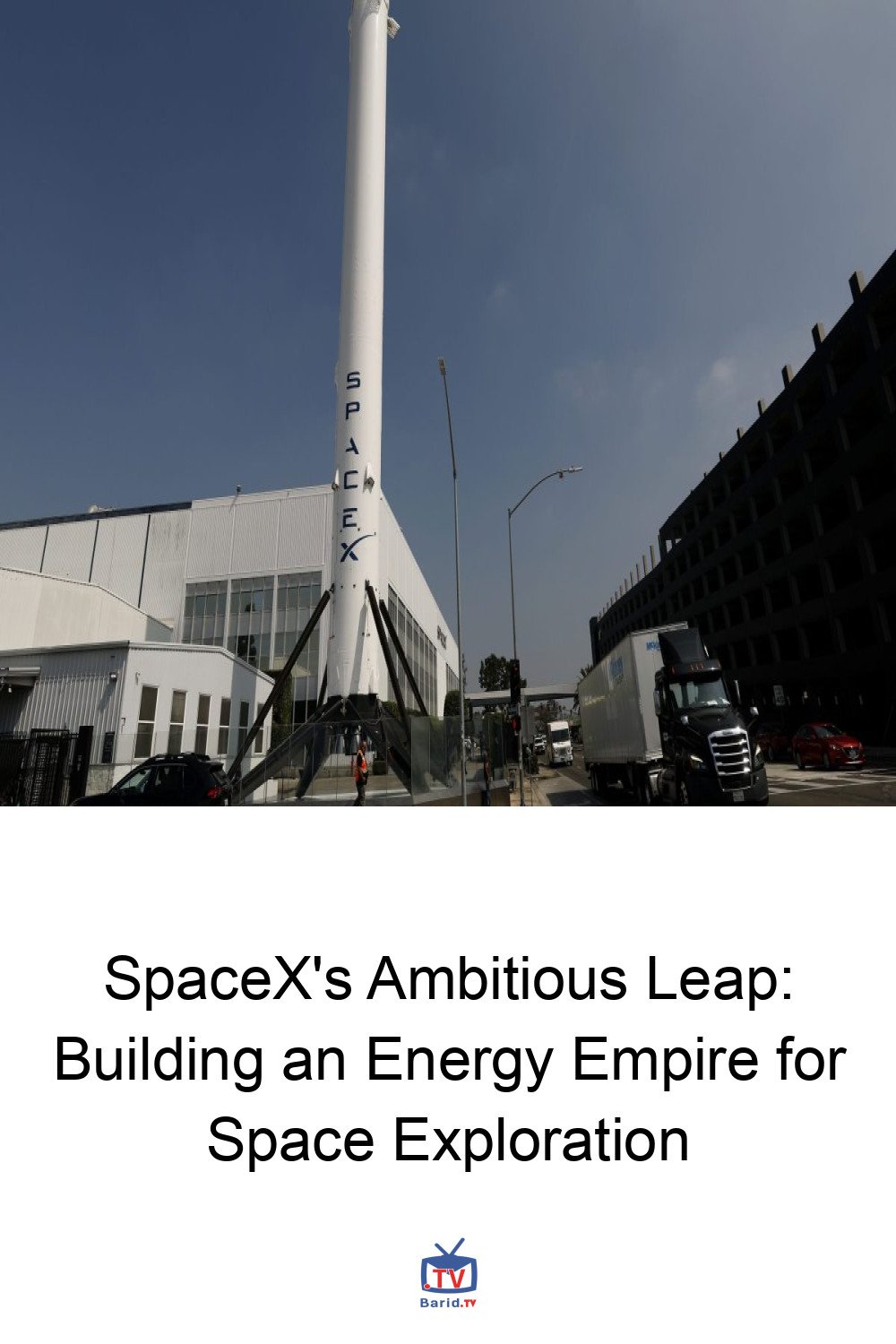
SpaceX’s Energy Gambit: Fueling the Future of Space and Silicon
Elon Musk’s SpaceX, a company synonymous with pushing the boundaries of space exploration, is now making a significant foray into the energy sector. The aerospace giant is actively seeking a natural gas trader to spearhead and develop a dedicated trading team, a move that underscores the critical role of energy in powering its burgeoning operations, from rocket launches to advanced manufacturing.
Vertical Integration: A Core Musk Philosophy
This strategic hiring initiative highlights the increasing importance of robust energy infrastructure for SpaceX’s ambitious endeavors. Job postings for the natural gas trading role, which emphasizes both physical and financial trading, reveal a deeper commitment to securing and managing its own fuel and power resources. This aligns perfectly with Elon Musk’s long-standing preference for vertical integration, ensuring control over crucial supply chains.
The company’s energy demands are escalating rapidly, driven by two primary factors: the colossal requirements of its Starship rocket program and the development of a massive semiconductor manufacturing facility in Texas. SpaceX recently announced plans to construct its own gas-fired power plants to meet the substantial electricity needs of this chip factory, a joint venture with Tesla Inc. This mirrors a broader industry trend where surging power consumption from data centers and new factories is fueling demand for novel energy solutions.
From Rockets to Resources: The Scope of SpaceX’s Energy Vision
SpaceX’s energy ambitions extend beyond just power plants. Gwynne Shotwell, the company’s president and chief operating officer, revealed in June that SpaceX intends to build its own gas pipelines and even explore natural gas drilling. These are described as “huge investments to develop our own propellant and bring it to the rocket,” emphasizing the scale of their commitment.
The Starship, SpaceX’s next-generation heavy-lift launch vehicle, relies on super-chilled methane — the primary component of natural gas — combined with liquid oxygen as its propellant. By controlling the entire supply chain, from extraction to delivery, SpaceX aims to optimize efficiency, reduce costs, and ensure reliability for its demanding launch schedule.
A Growing Trend Among Tech Giants
SpaceX is not alone in its pivot towards energy self-sufficiency. Other prominent technology companies, including Meta and OpenAI, have also signaled their intentions to venture into power trading as their energy footprints expand. This trend reflects a broader recognition within the tech industry that securing and managing energy resources is becoming as crucial as developing innovative software or hardware.
Interestingly, the job postings for SpaceX’s gas trading role specify locations in Cape Canaveral, Florida, or Starbase, Texas, rather than traditional gas-trading hubs like Houston or Stamford, Connecticut. This geographical preference further illustrates SpaceX’s desire to integrate its energy operations directly into its core aerospace and manufacturing sites, reinforcing its unique, vertically integrated approach to powering the future.
For more details, visit our website.
Source: Link