
The latest economic data for July 2026 paints a nuanced picture of the U.S. inflation landscape. While the overall consumer price index (CPI) showed a slight moderation, easing to 3.4% year-over-year from June’s 3.5%, the shadow of geopolitical conflict continues to cast a long pall over energy markets, keeping fuel costs stubbornly high. Economists suggest that despite these persistent pressures, other everyday expenses are beginning to show encouraging signs of deceleration.
Mark Zandi, chief economist at Moody’s, expressed cautious optimism, noting that if current trends persist and the conflict in Iran recedes, “inflation will be within spitting distance of the Fed’s target.” This sentiment underscores a delicate balance in the economy, where broad moderation is battling against specific, intense inflationary hotspots.
Inflation’s Persistent Grip: A July 2026 Snapshot
July’s CPI report, released by the Bureau of Labor Statistics, confirmed a modest reversal from June’s slight pullback, yet affirmed a broader trend of moderating inflation. The 3.4% annual increase marks the second consecutive month of a decelerating annual inflation rate since January, a period preceding the outbreak of hostilities between the U.S. and Iran on February 28.
“I thought it was a very benign report, right down the strike zone,” Zandi commented, adding that inflation, while “still high,” is “moving in the right direction,” contingent on the resolution of the war in Iran.
Energy Costs Soar Amid Geopolitical Tensions
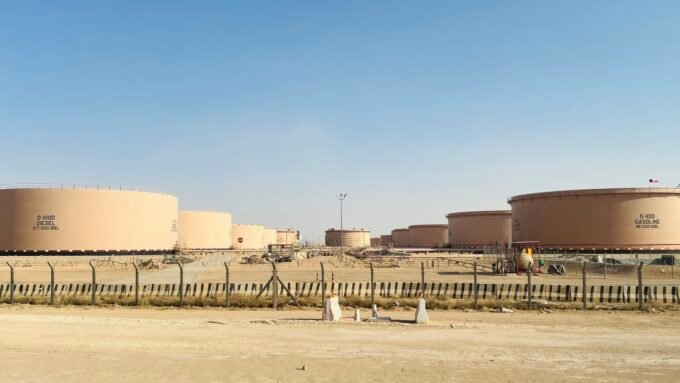
The most significant driver of inflationary pressure remains the energy sector. Prices for energy products surged by 14.7% over the 12 months ending in July. This dramatic increase is largely attributed to ongoing uncertainties surrounding a broader resolution to the U.S.-Iran conflict, which has kept global crude oil markets on edge.
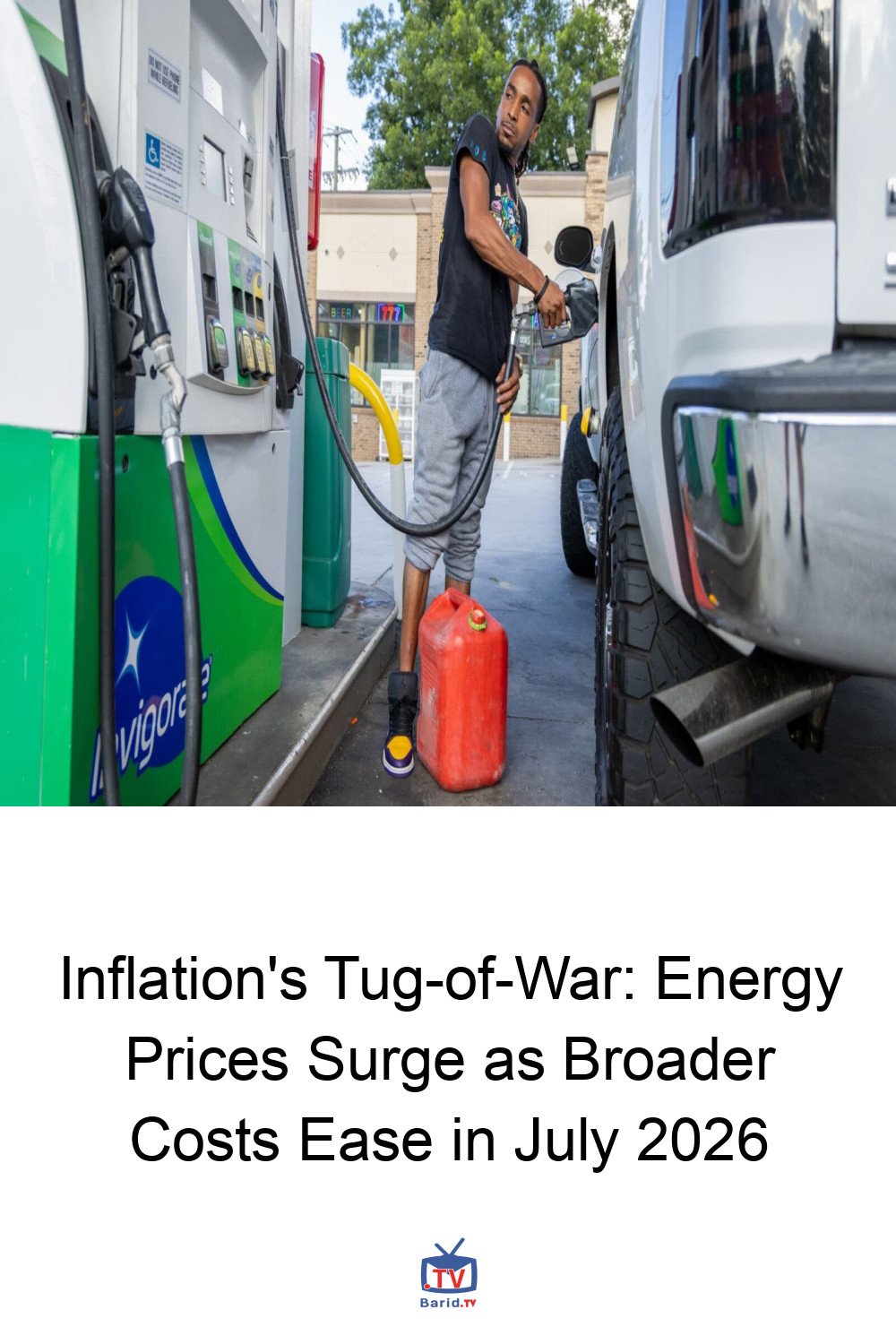
Consumers felt this impact directly at the pump, with gasoline prices skyrocketing 24.6% year-over-year. Fuel oil saw an even more dramatic increase of 39.1%. As of Wednesday, the national average for a gallon of gasoline stood at $4.04, a substantial rise from approximately $3.14 a year prior, according to AAA. Airline fares also reflected these elevated fuel costs, climbing 25.5% over the past year.
Grocery Bills: A Mixed Bag for Households
Despite the significant oil shock, economists observed that grocery prices did not experience the same intense upward pressure, offering some relief to U.S. households that have been grappling with rising food costs. Overall food prices increased by 3% over the last year, with food consumed at home seeing a 2.7% rise.
However, this aggregate figure masks considerable variability within the food sector. Brian Bethune, an economics professor at Boston College, highlighted this complexity: “Food prices don’t seem to be too bad, but there’s a lot of mix in there. Meat is way up, chicken is slightly down, egg prices have finally come back down, and now we have a problem with lettuce.” Concerns over ongoing cyclospora outbreaks have indeed dampened consumer demand for lettuce, impacting the index for fruits and vegetables. The index for meats, poultry, fish, and eggs collectively rose 1.9% over the year, while dairy products actually saw a slight decline of 0.5%.
Core Inflation Shows Modest Gains
Excluding the volatile categories of food and energy, the core CPI registered a 2.5% increase year-over-year. This segment, often considered a clearer indicator of underlying inflation trends, showed modest increases across indexes for new vehicles, apparel, and shelter.
Zandi acknowledged that “affordability is still a serious problem,” though he noted it’s “much better than it has been.” He reiterated his projection: “assuming energy prices don’t go back up, inflation will be within spitting distance of the Fed’s target.”
The Fed’s Deliberate Stance: A ‘Wait-and-See’ Approach
The inflation rate remains a critical metric for the Federal Reserve in guiding its interest rate decisions. Following last month’s vote to maintain the benchmark borrowing rate between 3.5%-3.75%, policymakers hinted at potential future increases. With inflation still above the Fed’s 2% target, the July CPI reading keeps the possibility of a September rate hike alive, though experts suggest an October move is more probable.
Karen Manna, fixed income investment director at Federated Hermes, articulated the central bank’s cautious position: “After more than five years of above-target inflation, policymakers want to see a clear and lasting trend before acting. Until then, this is a Fed in wait-and-see mode.” The coming months will be crucial in determining whether the current moderation can overcome the persistent challenges posed by energy prices and geopolitical instability, ultimately influencing the Fed’s next steps.
For more details, visit our website.
Source: Link