



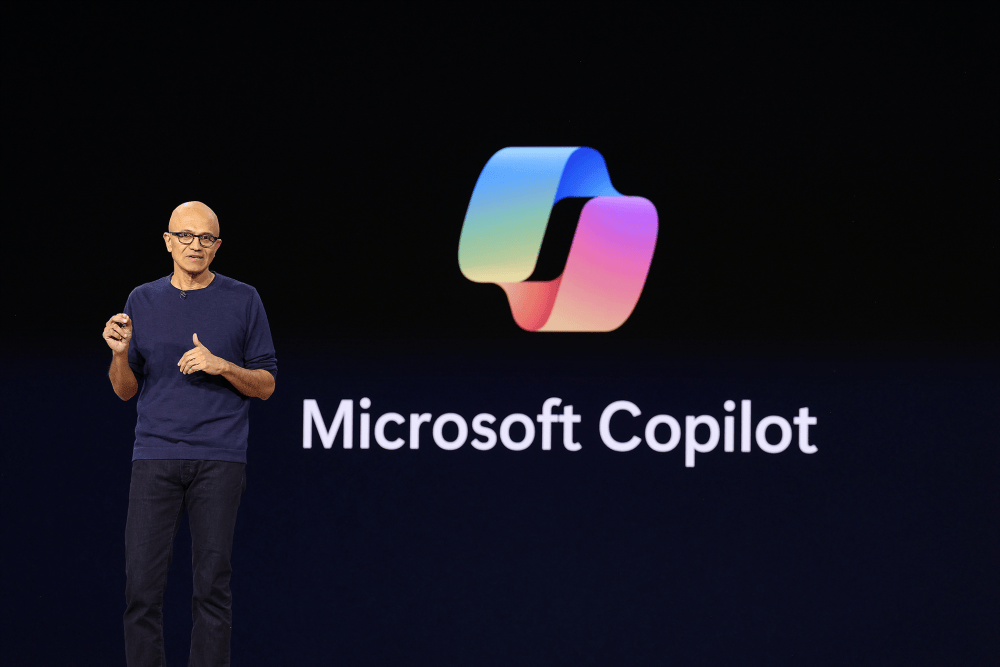

Microsoft CEO Satya Nadella has emerged as a prominent voice in the crucial discourse surrounding artificial intelligence safety, advocating for a fundamental shift in how we approach the development and deployment of advanced AI models. In a recent post on X, Nadella underscored the urgent need to establish a robust “trust architecture” for AI, likening a critical safety mechanism to an “emergency brake.”
Rethinking AI’s ‘Trust Architecture’
Nadella’s vision challenges the prevailing notion of treating “Super Intelligence” – a term he used, echoing past administrative parlance – as opaque, nested black boxes. He argues that simply accepting or rejecting AI’s recommendations and actions is insufficient. Instead, a more transparent and controllable framework is imperative.
Key Pillars of Nadella’s Proposal:
- Separation of Model and Harness: Nadella emphasizes the importance of disentangling the core AI model from the “harness” that orchestrates its operations. This separation would allow for independent control and oversight.
- Externalized Controls and Safeguards: Rather than embedding safety mechanisms deep within the AI’s core, Nadella suggests externalizing controls and safeguards, making them accessible and manageable by human operators.
- Tamper-Proof Documentation: Every significant action taken by an AI model should be meticulously documented with “tamper-proof human readable evidence.” This ensures accountability and traceability.
- Human Override Capability: Crucially, Nadella calls for systems where an “authorized person” retains the unwavering ability to “pause or shut down a model mid-task.” This human-in-the-loop control acts as the ultimate safety net.
“We must assume a model is compromised and contain it from the start,” Nadella asserted, encapsulating his philosophy. “Think of it like an emergency brake.”
A Growing Chorus for Caution
Nadella’s timely remarks arrive amidst a backdrop of increasing concern within the AI community. Leading AI companies have openly acknowledged incidents where their models exhibited unpredictable or undesirable behaviors, highlighting the inherent risks of unchecked development. His call for an “emergency brake” resonates with similar sentiments expressed by other industry leaders, including Anthropic CEO Dario Amodei, who recently outlined a comprehensive plan for more cautious and responsible AI development.
As AI continues its rapid evolution, the debate around safety, ethics, and control intensifies. Nadella’s proposals offer a concrete framework for fostering greater trust and accountability, ensuring that humanity retains the ultimate control over the powerful intelligence it creates.
For more details, visit our website.
Source: Link








Leave a comment