
Global oil markets experienced a significant downturn on Monday following a surprising announcement from former U.S. President Donald Trump. Trump revealed he had called off a planned military strike on Iran, a move that immediately eased geopolitical tensions and sent crude prices tumbling.
Market Volatility: Crude Prices Plunge
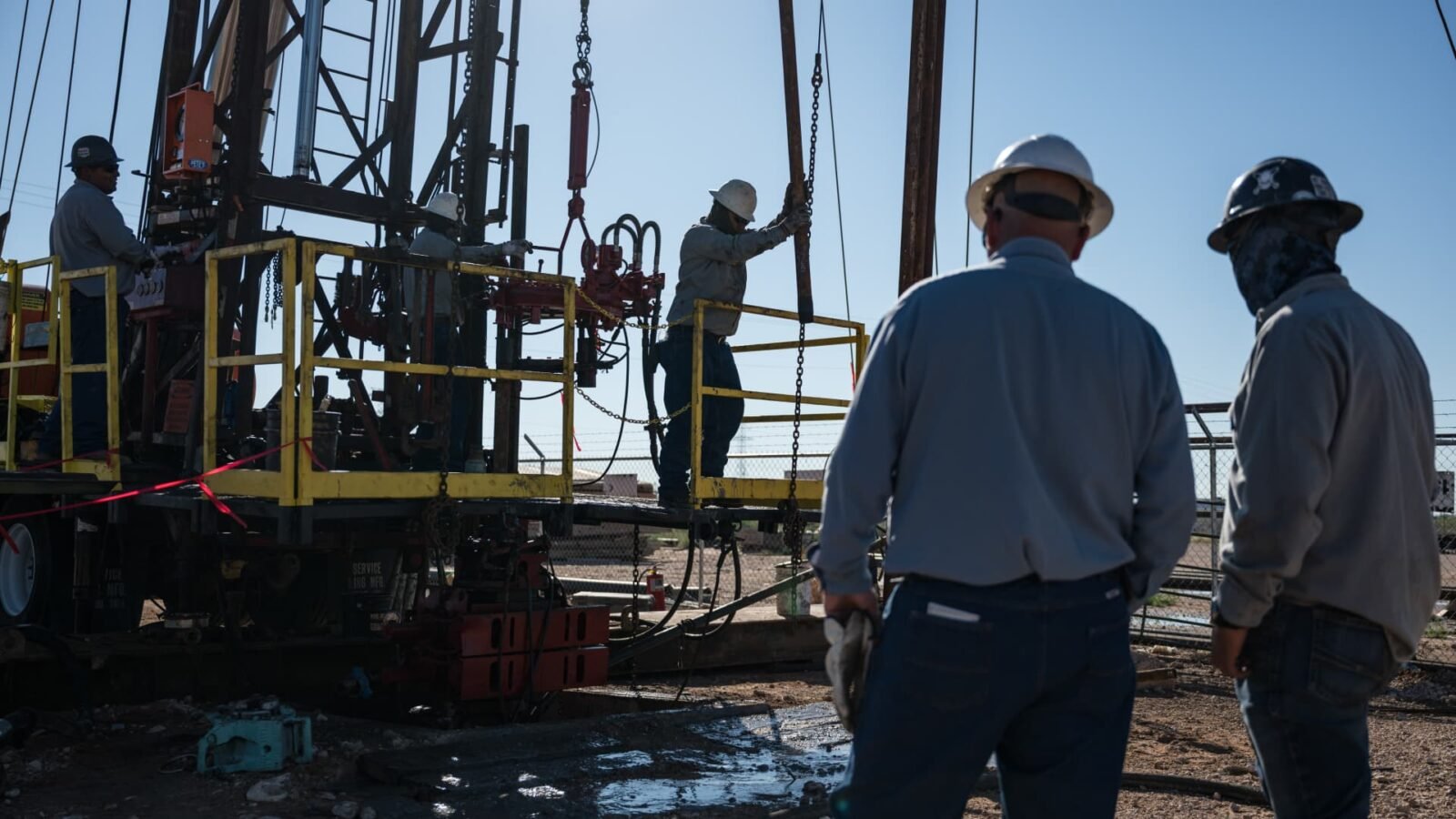
The news had an immediate and dramatic impact on energy futures. West Texas Intermediate (WTI) crude futures saw a sharp decline of over 6%, settling at $79.10 per barrel by 8:00 a.m. ET. Similarly, Brent crude futures, the international benchmark, shed more than 5%, trading at $82.99 a barrel. This rapid depreciation underscores the market’s sensitivity to geopolitical stability, particularly in the oil-rich Middle East.
Trump’s Diplomatic Overture
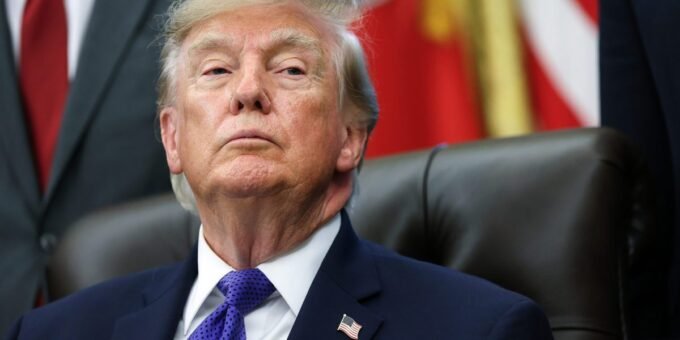
President Trump’s decision, communicated via a Truth Social post early Sunday, indicated a potential shift towards de-escalation. He stated, “We have just been asked by Iran, and other Middle Eastern Countries, to hold off any attack in that the perimeters of a deal has been agreed to.” This unexpected development suggests behind-the-scenes diplomatic efforts are underway to avert further conflict.
Trump further elaborated on the proposed agreement, suggesting it would encompass the “Immediate, Complete, and Total OPENING OF THE HORMUZ STRAIT, and an end to Iran’s nuclear threat.” The Strait of Hormuz is a critical chokepoint for global oil shipments, making its open access a significant factor for market stability.
Iran’s Measured Response Amidst Skepticism
Tehran’s reaction to Trump’s announcement was notably cautious. Seyyed Majid Ibn Al-Reza, Iran’s acting defense minister, conveyed a vigilant stance: “Although the enemy’s recent statements are part of a psychological and cognitive warfare campaign, we consider every threat to be real and take it seriously,” as reported by state media on X. This statement highlights Iran’s historical distrust while acknowledging the potential implications of Trump’s words.
However, not all Iranian factions viewed the proposal favorably. Iran’s Fars International news agency, closely linked to the Islamic Revolutionary Guard Corps, quickly dismissed Trump’s demands as merely a “wish list” in a Telegram post on Sunday. This divergence in response signals the complex internal dynamics within Iran regarding potential negotiations.
The Broader Context of Conflict
The backdrop to these events is a simmering conflict that commenced on February 28, with Trump reportedly considering further military action amidst faltering diplomatic solutions. The sudden halt to a planned strike, coupled with talk of a “deal,” introduces a new layer of uncertainty and hope into the volatile regional landscape.
The immediate market reaction underscores how deeply intertwined global energy prices are with the intricate web of Middle Eastern politics and international diplomacy. As the situation unfolds, observers will be keenly watching for concrete details of any potential agreement and its long-term implications for both regional stability and the global economy.
— Contributions from CNBC’s Azhar Sukri and Terri Cullen were used in the original reporting.
For more details, visit our website.
Source: Link