
“The present moment is filled with joy and happiness. If you are attentive, you will see it.” ~Thich Nhat Hanh
A few years ago, I embarked on an adventure that promised a fresh start: a move to a new country, a life by the sea, with my two children, both under the age of two. The initial thrill, however, quickly gave way to a profound and unexpected loneliness. The kind that isn’t dramatic or outwardly visible, but a deep, quiet hum of disconnection that permeated every moment. With no familiar faces, no friends to call, no family nearby, the absence of a listening ear on a challenging day became a heavy burden. I was deeply grateful for my beautiful children, who needed me completely, but I learned that gratitude and loneliness can, indeed, coexist within the same heart.
The Quiet Ache of Disconnection
It wasn’t the grand, life-altering events that hit hardest; it was the quiet, everyday moments. The longing for a friend’s companionship, only to remember they were continents away. The helplessness when a child fell ill, with no support system to lean on. The pang of invisibility felt while watching other mothers share laughter at the park. Building genuine, deep-rooted friendships takes time, a luxury I felt I didn’t have in my immediate solitude. As I waited, I felt a part of myself slowly begin to fade.
When Traditional Mindfulness Missed the Mark
In my search for solace, I turned to meditation, a practice widely lauded for its ability to foster presence and inner peace. I downloaded apps, sat in quiet contemplation, and diligently attempted to follow my breath. Yet, time and again, I found myself failing. My mind, far from still, became a relentless ticker-tape of undone tasks and nagging worries. For a long time, I believed this indicated a personal failing, a fundamental inability to achieve mindfulness.
The Unexpected Call of the Lens
What I eventually understood was that I wasn’t failing at presence; I was simply trying to access it through a door that didn’t resonate with my current state. I needed movement before stillness, a canvas for curiosity, and something tangible to anchor my attention. Photography, an old passion, had always brought me a quiet joy. The act of picking up a camera served as a gentle reminder that beauty existed, waiting to be discovered.
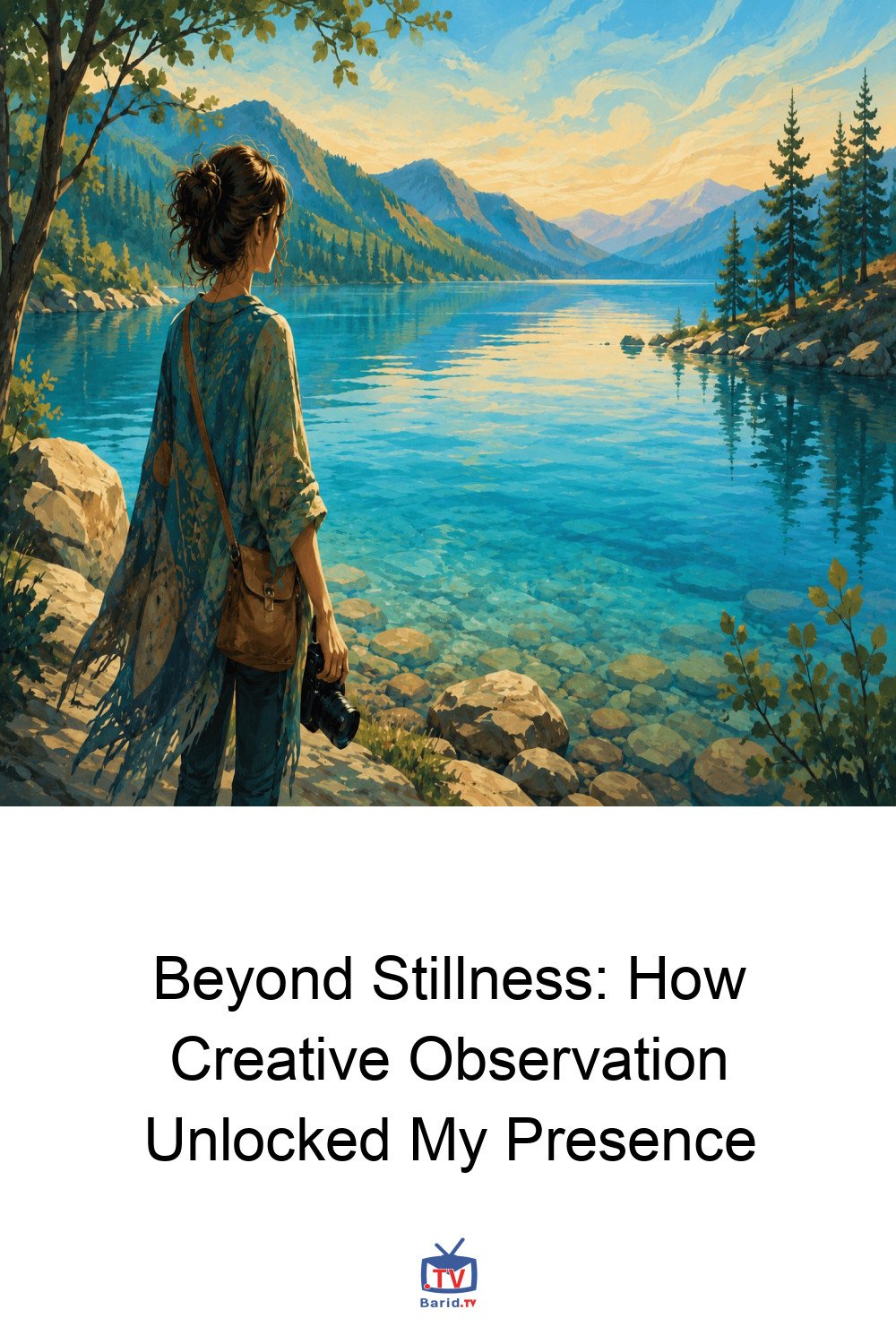
So, amidst the pervasive loneliness, I picked up my camera once more. Not with aspirations of building a portfolio or creating masterpieces for online admiration, but simply to step outside, walk, and observe. I began to shed the rigid rules of composition, light, and the ‘perfect shot’ I had once adhered to. In my own quiet rebellion, I pointed my lens at anything that caught my eye, no matter how imperfect or seemingly insignificant: a fleeting shadow, the nuanced hue of the sea, the forgotten texture of an ordinary object I’d passed countless times without truly seeing.
Cultivating Presence Through Creative Play
An unexpected transformation occurred: my mind quieted. It wasn’t forced or achieved through a prescribed technique, but a natural consequence of creative engagement. When you are truly looking—noticing the intricate details, framing a scene, allowing curiosity to guide your gaze—your mind becomes too absorbed in the act of living to entertain anxiety or sadness. I began to call this my “happy zone”—a temporary sanctuary from the weight of loneliness, exhaustion, and the particular guilt that often accompanies complete dependence, the feeling that personal time is a betrayal.
The ‘Happy Zone’: A Sanctuary from Worry
Despite the guilt, I kept returning to this practice. Each time, I came home subtly changed: lighter, more present, more authentically myself. I felt better equipped to face the day’s demands, more attuned to the ordinary beauty that might otherwise have slipped by unnoticed. Mindful photography didn’t just refocus my attention on the external world; it gently guided me back to my inner state. It taught me to check in, to ask: “What do I truly need today?” And to answer honestly: “Fifteen minutes outside with my camera, embracing playful observation.”
Your Path to Presence: It Doesn’t Have to Be Still
You don’t need to be a professional photographer, own an expensive camera, or possess technical skill. All you truly need is your phone, fifteen minutes, and a willingness to look—to find one color, one shadow, one small detail that captures your attention. Allow yourself to be curious, to be a little rebellious with your gaze. Forget the rules, abandon the pursuit of perfection. Just notice. Just play. Because sometimes, the most profound path back to yourself isn’t through stillness, but through the simple, active joy of looking up and truly seeing what has been there all along.
For more details, visit our website.
Source: Link