
“Trauma creates change you don’t choose. Healing is about creating change you do choose.” ~Michelle Rosenthal
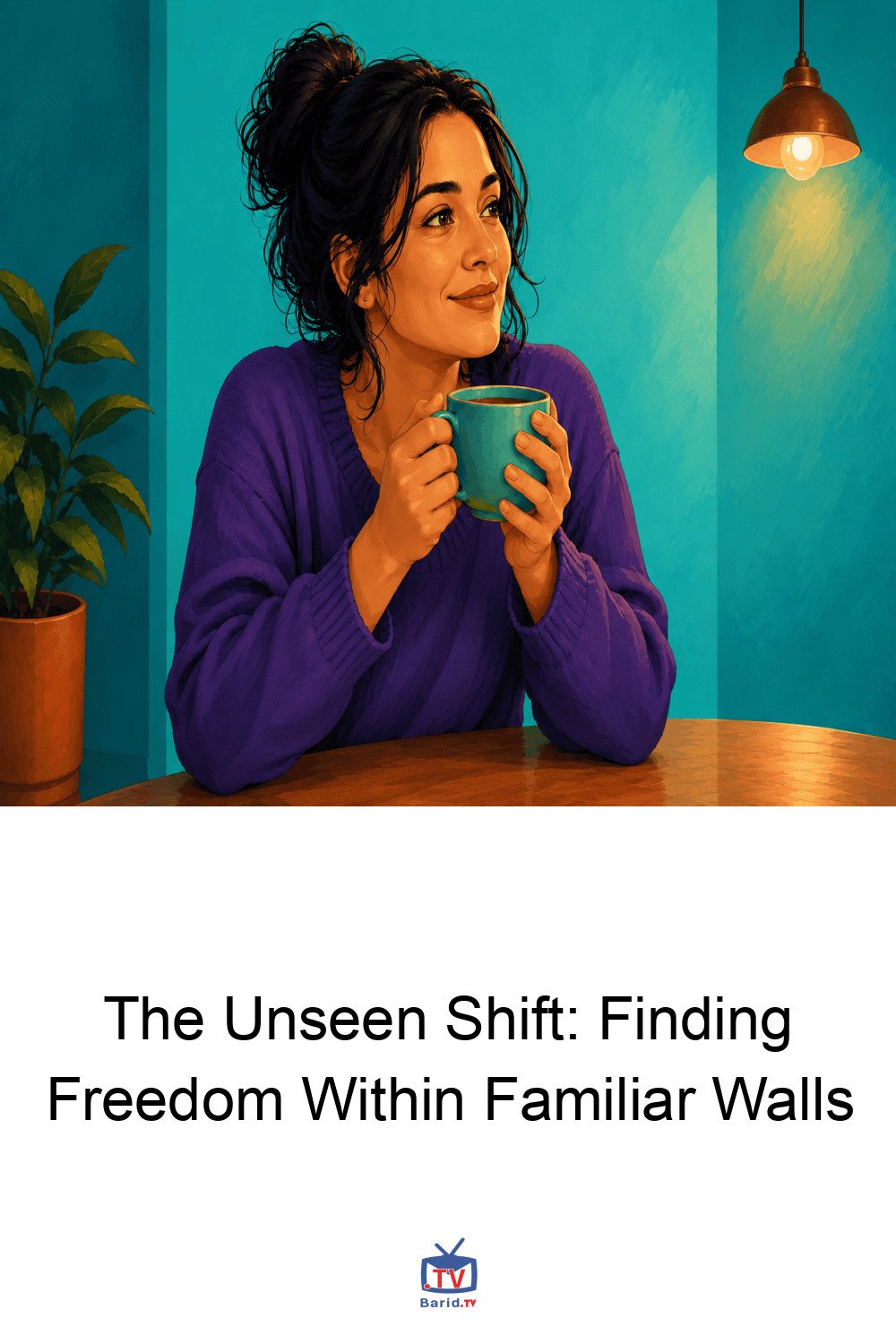
Today, I find myself in a familiar embrace – my cherished corner at the Venice Mall café, the very seat by the shimmering water. This spot has witnessed countless chapters of my life: tears shed, thoughts penned, dreams sketched, and solace sought. For a long time, this café was more than just a place; it was my sanctuary, a fragile refuge from a life that felt impossibly heavy.
Yet, today is different. I sit in the same seat, sip the same calming tea, gaze upon the same tranquil water. But for the first time, a profound realization settles within me: I feel good. Not merely functional, not performing an illusion of normalcy while a deeper turmoil churns beneath. No, I feel genuinely, quietly, profoundly good. The world outside my window remains largely unchanged, but I, irrevocably, am not.
The Illusion of Escape: When a Café Was My Only Breath
Not so long ago, my visits to this café were less about enjoying a beverage and more about simply breathing. Leaving home was an ordeal, a gauntlet of parental interrogations: Where are you going? Why? Who are you meeting? When will you return? Beneath each question lay a heavier, unspoken accusation – the insidious implication that my very existence outside those four walls required justification, that my choices needed approval, and that I should feel guilty for daring to live my own life. The questions themselves weren’t the exhausting part; it was the deeply ingrained belief that I needed permission to be myself, to simply exist.
Unraveling the Past: The Home That Shaped Me
The Mother’s Shadow: A Performance of Love
For the better part of my childhood, I clung to the narrative of having good parents and a loving upbringing. It was a survival mechanism, the only way my young mind could cope. What I failed to grasp then was that I had learned to dissociate from the pain, to reframe difficult moments as isolated incidents rather than deeply entrenched patterns. Children, in their innate wisdom, do this when the truth is too terrifying to confront.
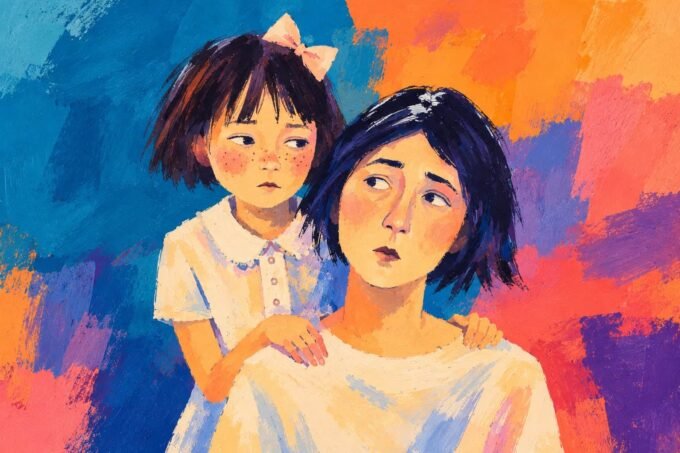
My mother, orphaned as a toddler and raised by a cruel aunt, unconsciously perpetuated her own unhealed trauma. She mirrored the behavior she endured, not out of conscious malice, but because wounds, left untreated, inevitably bleed into the next generation. She mocked my clothes, my aspirations, even my burgeoning confidence. The very qualities she disparaged at home were often celebrated elsewhere, leaving me in a perpetual state of confusion. She skillfully turned my father against me, casting me as the family villain. She was, in essence, my first bully. Though I couldn’t articulate her manipulations then, my teenage years were marked by nightly tears, my pillow a silent witness to the agonizing question: How could my own mother be so cruel?
This constant barrage led me to internalize a devastating belief: I was a difficult, bad person. Even when others offered genuine love and acceptance, I couldn’t receive it, convinced that if they truly knew the ‘real’ me, they too would recoil. The most perplexing aspect of all was her inconsistency. Sometimes, she was warm, loving, and genuinely caring. For years, I rationalized this as a “complicated love,” a common thread in many families.
Then, months into my healing journey, a pivotal moment arrived. Lying in bed, once again crying after another hurtful encounter, a thought pierced through my despair: “She can’t be this evil all the time. She must have loved me sometimes.” And then, a vivid childhood memory flashed before me. I was sick, home alone with her. She offered no comfort, no fever check, no inquiries about my well-being. She moved quietly about her tasks, utterly unbothered. But the instant my father’s key turned in the lock, she transformed. Warm. Attentive. The epitome of a loving, caring mother.
In those few seconds, the fragmented puzzle of my life clicked into place. I never truly had a mother; I had an actress. Her displays of affection were a performance, reserved for an audience. Everything became chillingly clear: the bullying, the mocking, the threats – all occurred when we were alone. The ‘loving’ mother appeared only when others were present. This stark duality explained my lifelong confusion, the whiplash between being showered with affection and crushed by cruelty. I was her emotional punching bag.
It took four nights of agonizing tears to process and accept this truth. But with acceptance came a profound shift. Her criticisms lost their sting. The invisible chains she held over me began to loosen, not because she changed, but because I finally understood the dynamic I had been trapped in. I emotionally detached. I accepted that I never had a mother, and never would. This acceptance, raw and painful as it was, liberated me from years of futile yearning and desperate attempts to earn her love. Instead, I turned inward, beginning the arduous but deeply rewarding journey of mothering my own inner child, showering her with the unconditional love I had always craved. And slowly, she began to heal.
The Father’s Legacy: Fear of Lack and Stifled Creativity
My father’s story, while different, left its own indelible marks. He emerged from truly humble beginnings, a brilliant student forced to work at fourteen, pursuing his education through distance learning despite his academic prowess. He built a respectable life from almost nothing, a testament to his resilience. However, his profound terror of scarcity became deeply ingrained in me. He feared my love of art and creativity, reacting as if I had committed a crime whenever he found me drawing. He provided material comforts but ultimately stifled my creative spirit and instilled a deep-seated fear of instability.
The Unseen Shift: Freedom Found Within
Today, back in my familiar café, the tea tastes sweeter, the water reflects a clearer sky. The external world is largely unchanged, but my internal landscape has undergone a seismic transformation. I no longer seek refuge from a heavy life; I inhabit a lighter one. The freedom I craved wasn’t found in new places or dramatic life overhauls, but in the quiet, courageous act of understanding my past, accepting my truth, and choosing to heal. This café, once a place of escape, is now a symbol of my enduring, self-chosen peace.
For more details, visit our website.
Source: Link