
The UK’s Bold Stance on Youth Online Safety
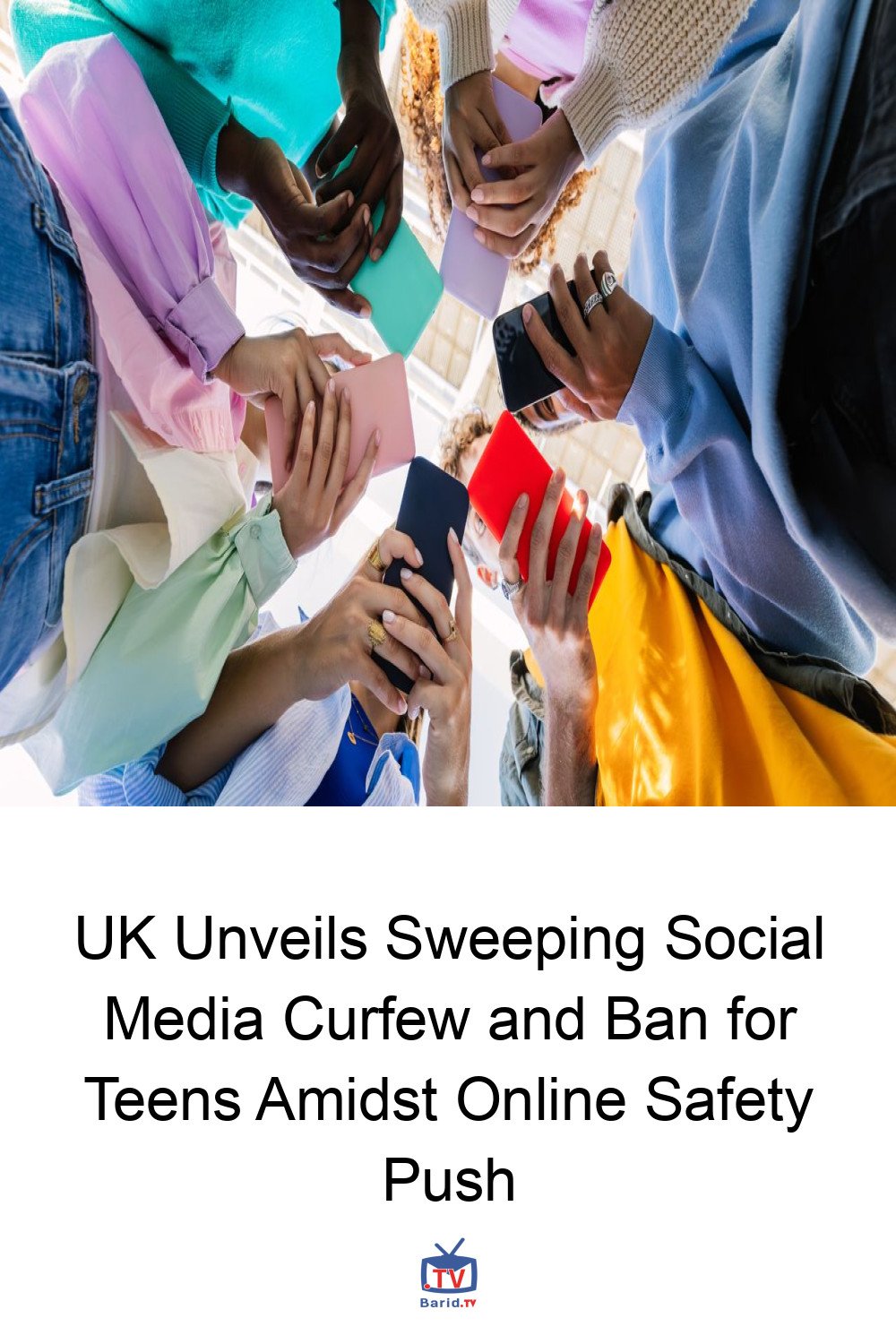
The United Kingdom is poised to introduce groundbreaking regulations aimed at reshaping how adolescents interact with social media. In a move announced by the Department for Science, Innovation & Technology (DSIT), the nation will mandate a default social media curfew for 16- and 17-year-olds, alongside a more comprehensive ban for younger children. These measures underscore a growing global concern over the impact of digital platforms on youth development and well-being.
A Digital Curfew for Older Teens
Under the proposed new rules, social media companies will be required to implement an automatic block for users aged 16 and 17 between midnight and 6 am. While this feature is designed to be a default setting, it will offer an override option, allowing teens or their guardians to disable it. This non-mandatory restriction is part of a broader legislative effort, following the controversial Online Safety Act, which already compels platforms hosting potentially harmful content to verify users are 18 or older.
Tackling Addictive Features
Beyond the curfew, the DSIT also revealed plans to curb the influence of ‘addictive’ design elements within social apps. Features such as auto-playing videos and continuously personalized content feeds will be switched off by default for older teenagers. Like the curfew, these settings can also be manually overridden, offering a balance between protection and personal choice. The first full set of these regulations is expected to be presented to Parliament later this year, with an anticipated full implementation by spring 2027.
Protecting Younger Minds: The Under-16 Ban
Perhaps the most significant change is the impending total ban on social media services for children under 16, also slated for spring 2027. This measure aims to create a ‘cliff edge’ of protection, ensuring that future generations will hypothetically have no prior experience with social media before reaching their mid-teens. UK Technology Secretary Liz Kendall emphasized the rationale behind these interventions, stating, “These measures will be crucial in helping young people get the sleep they need, focus on school and college, and spend more quality time with family and friends, all of which are fundamental to building a happy, healthy, and fulfilling adult life.”
Expanding Safeguards: AI and Media Literacy
The UK’s commitment to online safety extends beyond traditional social media. The DSIT indicated that additional protections around artificial intelligence are on the horizon. These include mandated chatbot breaks for children under 18 and a block on AI platforms capable of imitating romantic conversations. Regulators will also be tasked with reining in services offering “dangerous, misleading, or unverified mental health advice,&rdquo with the potential for outright bans on chatbots posing a “serious threat” to young users.
Furthermore, the government is seeking to bolster children’s media literacy through updated school curricula. These educational initiatives will cover critical topics such as AI, technological bias, mis- and disinformation, and strategies for identifying violent and misogynist content, equipping young people with the tools to navigate the digital world safely and critically.
The Global Debate: Protection vs. Freedom
The UK’s proactive stance mirrors a growing international movement. As tech giants face a barrage of lawsuits and research highlighting social media’s potential negative effects on younger users, advocates worldwide have pushed for broad age limits. Surveys, including one by the UK government, show strong parental support for a minimum age of access, with 9 out of 10 UK parents backing such a legal requirement. Similarly, a Pew Research Center survey found 56 percent of American adults would support a social media ban for those under 16.
However, these age-gating policies are not without their critics. Organizations like the Electronic Frontier Foundation, the American Civil Liberties Union, Amnesty International, and GLAAD argue that such restrictions are an oversimplified solution. They contend that these measures can curtail rights to open information and free speech, potentially being used by lawmakers to censor vital resources like sex education and LGBTQ+ support for teens.
The Australian Precedent: A Cautionary Tale?
The efficacy of such bans remains a significant question mark. Australia, which in December became the first nation to ban children under 16 from several popular social media apps, offers a cautionary tale. Despite the removal of approximately 5 million accounts within a month, early research suggests a high rate of circumvention, with around 75 percent of 14- to 15-year-olds reportedly bypassing the age limit. The Australian government is now investigating alleged non-compliance by major platforms and plans to double fines for violations, highlighting the immense challenges in enforcing such laws.
Given that the UK has explicitly stated its intention to adopt the “same model” as Australia, similar implementation and enforcement hurdles may lie ahead. The ambitious UK plan represents a significant step in the global effort to safeguard children online, but its ultimate success will hinge on navigating complex technological, ethical, and societal challenges.
For more details, visit our website.
Source: Link