
The Countertop Composter Conundrum: Reality vs. Expectation
The allure of a sleek, electric kitchen composter promising a continuous supply of nutrient-rich garden gold is undeniably strong. Imagine effortlessly transforming vegetable scraps, coffee grounds, and even eggshells into fertile compost, banishing smelly bins and pesky fruit flies. It’s a lovely thought, but the reality of most popular electric kitchen “composters” often diverges from this idyllic vision.
Despite marketing that frequently uses the term “composter” and accompanying guides detailing compost usage, the vast majority of these devices primarily function as food recyclers. They grind and dry your food waste, significantly reducing its volume and eliminating odors. While this is a legitimate and valuable outcome, it’s crucial to understand that you won’t be magically scooping out garden-ready, biologically stable compost like you’d find at a garden center.
Why These Devices Still Matter: Beyond “True” Compost
Critics sometimes decry these machines as “greenwashing,” but their value is undeniable. Food waste constitutes a staggering 24 percent of municipal solid waste, and its decomposition in landfills releases methane, a potent greenhouse gas. By reducing the volume of household food waste, these devices play a significant role in mitigating environmental impact.
Moreover, they foster greater awareness of personal food waste habits. The “grounds” produced, while not traditional compost, are odor-free and shelf-stable. They can be mixed in small ratios into potting soil, used as a “feeder” for a traditional backyard compost pile, or simply added to your green waste bin for municipal composting without the mess and smell. And crucially, they don’t consume excessive power, typically around 1 kilowatt-hour in testing.
For those seeking the closest approximation to actual compost from an electric device, one standout emerges: the Reencle Prime.
Our Top Pick: The Reencle Prime – A Step Closer to Compost
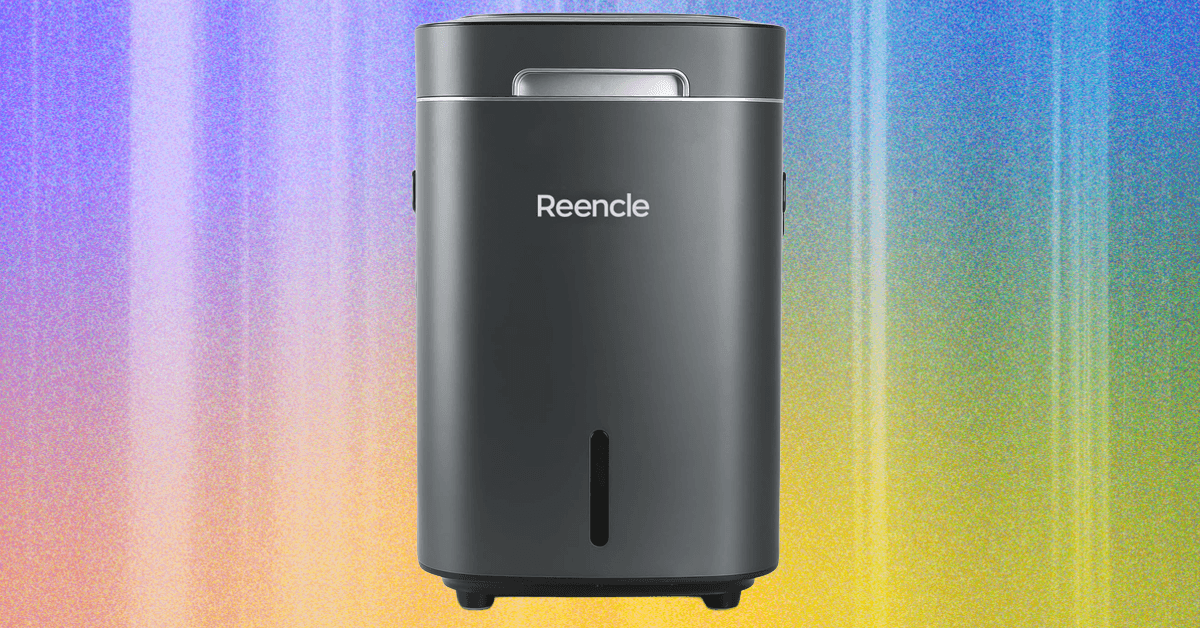
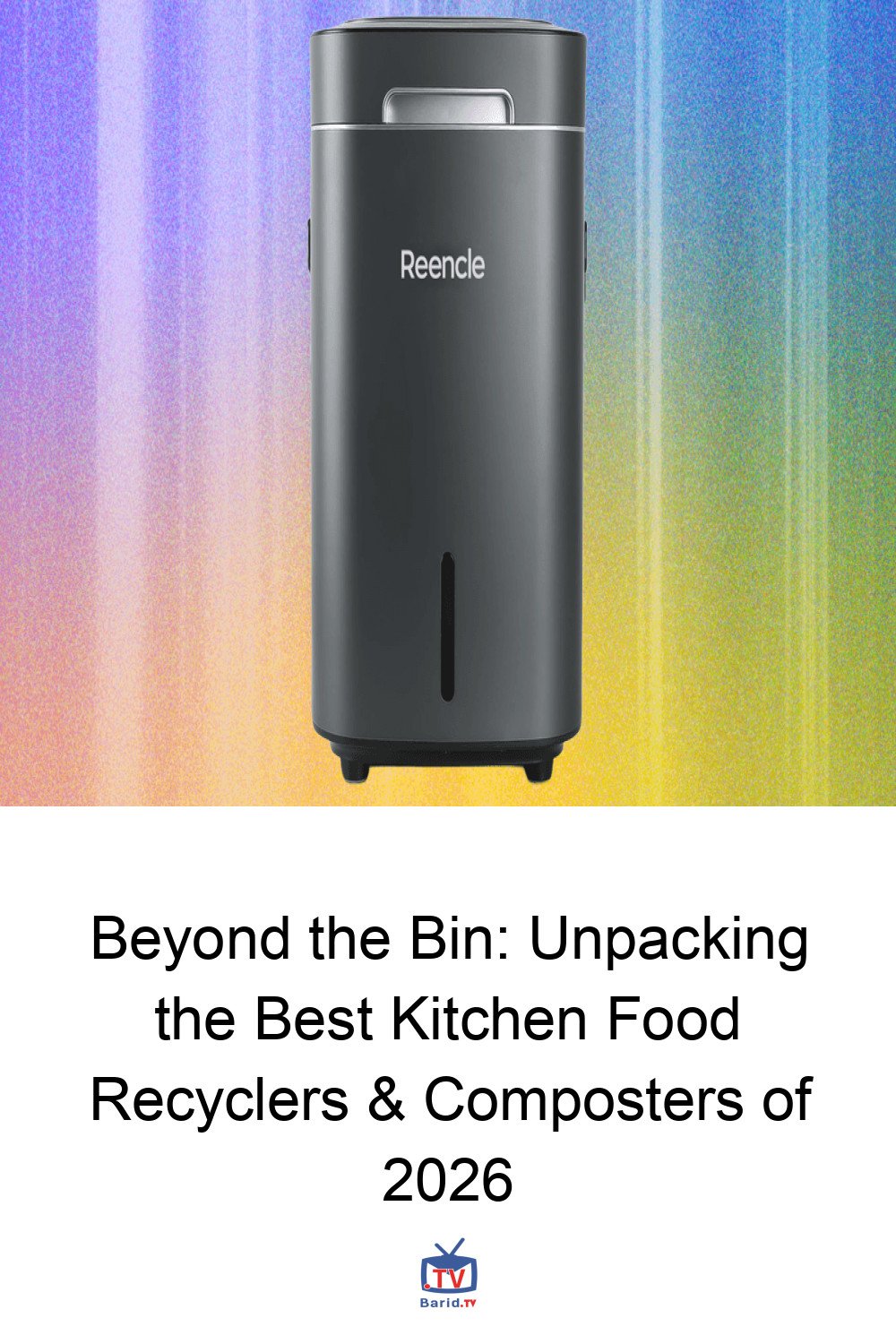
Reencle Prime Electric Composter ($499)
While no electric machine perfectly replicates biologically stable, fully decomposed compost, the Reencle Prime (8/10, WIRED Recommends) comes remarkably close. Popular in South Korea before its US debut, the Reencle Prime arrives with a starter bag of “Reencle Compost Starter 1.0.” This unique blend contains activated carbon, wood pellets, glucose, and a trio of patented thermophilic microbes – the biological engine ready to break down your scraps. A prefilled charcoal filter also slots into the back to manage odors.
Too large for most kitchen counters, the Prime operates more like a sophisticated, heated trash can. Its lid opens conveniently via a sensor or control panel button. Simply deposit your organic matter – no complex cycles, tablets, or auxiliary buckets required. Even the app is entirely optional. Within hours to days, depending on the input, scraps transform into a material resembling a cross between dirt and sawdust.
While the smell isn’t always pleasant during processing, it can often be mitigated using the control panel’s Dry and Purify buttons or by adding “browns” – dry, carbon-rich materials like bread or shredded paper. The Reencle thrives on its preferred diet of 1.5 pounds of scraps per day and, unlike many other machines, can even accept meat and dairy.
Reencle Gravity: For Larger Households ($649)
For larger households, the Reencle Gravity offers increased capacity, handling up to 3.3 pounds of waste daily. It’s also notably quieter than the Prime (nearly silent compared to the Prime’s modest 30 decibels). However, long-term testing revealed that the Gravity’s increased volume can retain more moisture, leading to contents going anaerobic (and thus smelly) faster than with the Prime. If opting for the Gravity, keeping a ready supply of “browns” or performing additional manual stirring with the included shovel is recommended to maintain microbial balance.
Other Noteworthy Food Recyclers
Best Grind-and-Dry Food Recycler: Lomi 3 ($649)
Another Great Grind-and-Dry Food Recycler: FoodCycler Eco 3 ($400)
A Decent Budget Option: Airthereal Revive R800 ($300)
Largest Capacity: Mill Food Recycler ($999)
These devices excel at reducing food waste volume and odor through grinding and drying, offering excellent solutions for those prioritizing convenience and waste reduction, even if the output isn’t “true” compost.
Making the Most of Your Recycled Scraps
The output from these machines, particularly the “grounds” from grind-and-dry models, can be a valuable soil amendment. While not a direct substitute for compost, it enriches soil structure and nutrient content when used sparingly. For the Reencle devices, their output is closer to a soil conditioner, ready to be incorporated into garden beds or potting mixes.
Stay Tuned for More Sustainable Living
For further insights into eco-conscious living, explore our guides to the Best Indoor Gardening Systems, Best Gifts for Plant Lovers, and Best Smart Bird Feeders. We continuously update our reviews to ensure you have the most current information, including long-term testing notes and pricing, as seen in our July 2026 update which addressed Reencle paddle issues, Gravity performance, and new details for the Mill and GEME Terra II.
For more details, visit our website.
Source: Link