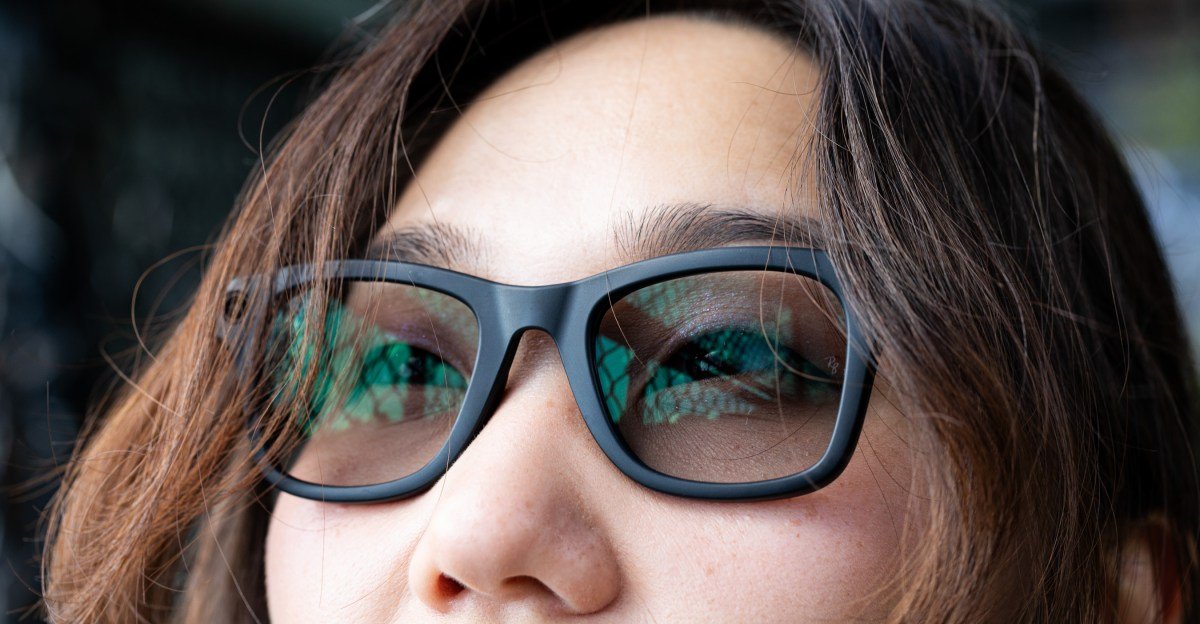


Meta is reportedly venturing into a new frontier of wearable technology, developing “super sensing” smart glasses designed for continuous audio recording and frequent photo capture. This ambitious project, detailed by the Financial Times, envisions an always-aware AI companion that could fundamentally alter how we interact with the digital world – and raise profound questions about personal privacy.
The Dawn of “Super Sensing”: What It Entails
These prototype glasses are engineered to be perpetually vigilant, continuously recording ambient audio and snapping photos every few seconds. The captured data isn’t directly accessible to the wearer in its raw form. Instead, a proposed system would extract metadata from the audio and images, uploading it to Meta’s servers for its AI to query. Proponents suggest this metadata-only approach could mitigate some privacy concerns, as the raw footage itself would not be stored by Meta or made available to the user.
A New Paradigm for AI Interaction
The core utility lies in the wearer’s ability to engage Meta AI with questions about their surroundings, drawing upon this continuously gathered information. Imagine asking your glasses, “Where did I see that interesting cafe yesterday?” or “What was the name of that song playing in the background?” The “super sensing” capability aims to transform Meta AI from a reactive assistant into a proactive, ever-present memory aid and information retriever.
Navigating the Privacy Minefield
Despite the potential benefits, the prospect of always-on recording devices from a company with Meta’s history immediately triggers significant privacy alarms. Meta has previously faced intense scrutiny over facial recognition features, reports of users filming others without consent, and the challenge of modders disabling LED recording indicators on existing glasses. While Meta recently rolled out an update to disable cameras if the LED is tampered with, the “super sensing” mode introduces a new layer of complexity.
The Disappearing Indicator Dilemma
Crucially, the Financial Times reports that Meta plans to keep the LED recording indicator off during “super sensing” mode. A July 2025 whitepaper from the company indicates that the LED would be reserved for “active capture” scenarios (when a user intentionally saves photos or videos). For “AI Feature” use, such as scanning a menu, the indicator would remain off to prevent users from becoming desensitized to its presence. This distinction, however, could make it incredibly difficult for individuals in the vicinity of a wearer to know if they are being continuously recorded, even if only metadata is being processed.
Data Use and AI Training
Further complicating the privacy landscape is the ongoing discussion within Meta about whether this continuously captured data would be used for training its AI models. The company is also reportedly considering bringing these “super sensing” features to its already released smart glasses, expanding the potential reach of this technology.
Meta’s Vision: An Ever-Present AI Companion
Meta CEO Mark Zuckerberg has openly expressed his enthusiasm for the evolution of these glasses into “a personal agent that’s with you all day long, helping you remember things and achieve your goals.” A March blog post echoed this sentiment, describing a transition for Meta AI on glasses from a prompt-based system to “a more continuous, in-the-moment assistant that can help throughout the day.”
Meta spokesperson Dave Arnold emphasized the company’s commitment: “While we don’t comment on internal prototypes, we’re committed to getting our glasses right because they need to be loved by both people wearing them and those around them.” He added, “Our approach has been to develop new technologies that will help people throughout their day, with privacy built in from the ground up.”
As Meta pushes the boundaries of ambient computing, the delicate balance between innovative utility and fundamental privacy rights will undoubtedly remain at the forefront of public and regulatory debate. The success of “super sensing” glasses will hinge not just on their technological prowess, but on Meta’s ability to genuinely earn and maintain user trust in an era of pervasive data collection.
For more details, visit our website.
Source: Link