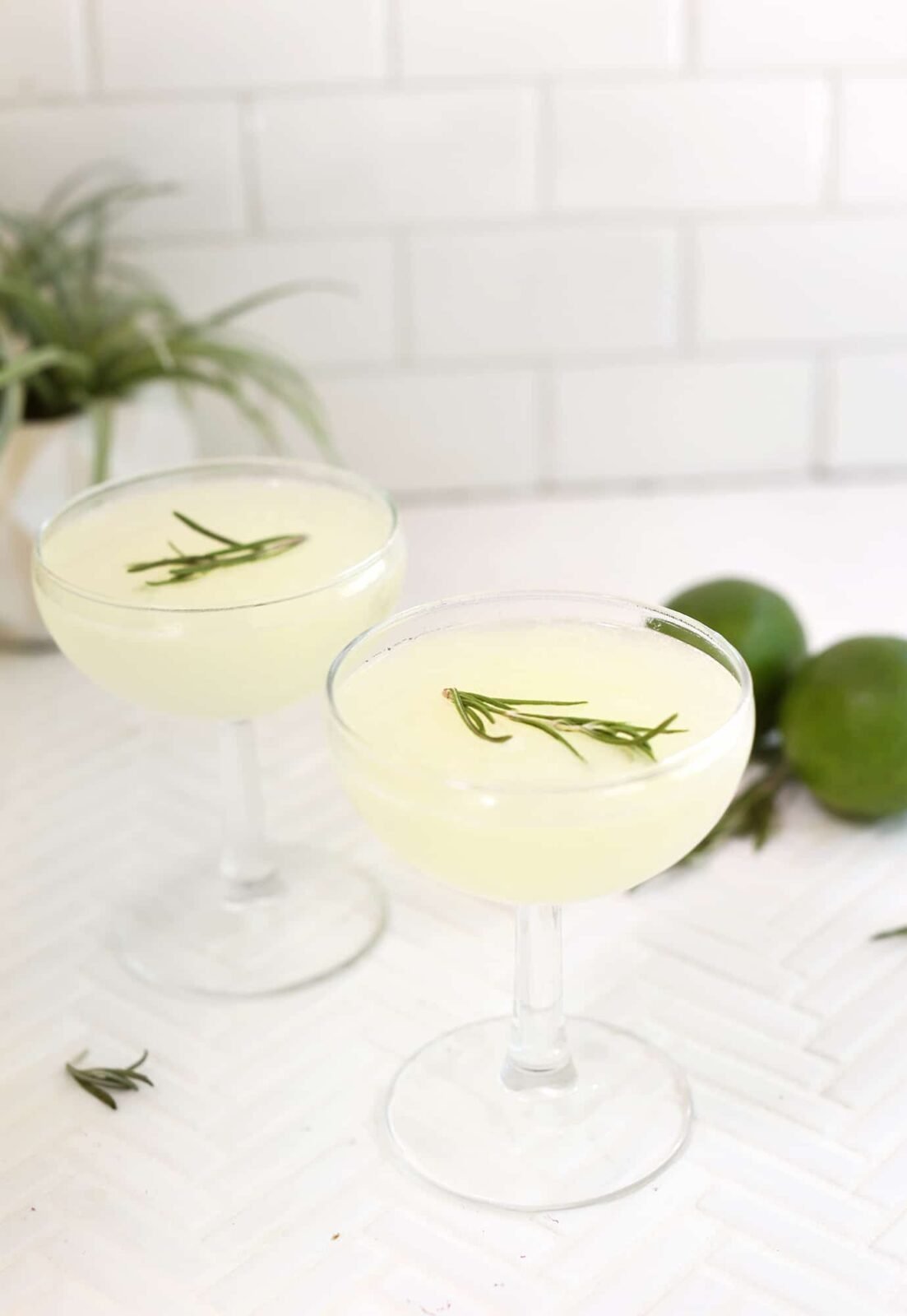

In the vast pantheon of classic cocktails, few stand as elegantly simple and profoundly refreshing as the Gimlet. A true icon, this three-ingredient marvel—gin, fresh lime juice, and simple syrup—offers a crisp, lightly sweet, and utterly invigorating experience. Often hailed as gin’s answer to the rum daiquiri, the Gimlet is more than just a drink; it’s a testament to the power of balance and quality ingredients. Join us as we delve into the intriguing history, essential components, and art of crafting the perfect Gimlet, along with exciting variations to explore.
The Storied Past of the Gimlet Cocktail
Like many legendary libations, the precise origins of the Gimlet are shrouded in a delightful mist of lore. The most enduring tale traces its roots back to the 18th-century British Royal Navy. Faced with the scourge of scurvy on long voyages, naval surgeons reportedly prescribed a daily ration of lime juice, rich in Vitamin C, to their sailors. To make this medicinal tonic more palatable—and perhaps to ensure its enthusiastic consumption—it was often mixed with gin, a common spirit on board. Thus, a health necessity inadvertently birthed a cocktail classic.
The name “Gimlet” itself is believed to be inspired by a small, handheld drilling tool used to bore holes, perhaps in barrels storing spirits or provisions. This connection subtly hints at the drink’s sharp, piercing, and precise character.
The Essential Elements of a Gin Gimlet
The beauty of the Gimlet lies in its minimalist perfection. With so few components, the quality of each is paramount.
Gin: The Spirit of Choice
Traditionally, a Gimlet is a gin-based cocktail. Its botanical complexity provides the ideal canvas for the bright lime. While gin is the classic, its versatility allows for experimentation. If gin isn’t your preference, a high-quality vodka can be substituted for a crisp Vodka Gimlet.
Fresh Lime Juice: The Heart of the Drink
This is non-negotiable. The vibrant, tart essence of fresh-squeezed lime juice is the primary flavor driver of a Gimlet. Bottled lime juice simply won’t achieve the same bright, clean profile.
Simple Syrup: The Sweet Balancer
Simple syrup—an equal parts mixture of sugar and water—provides the necessary sweetness to balance the lime’s acidity and smooth out the gin’s edges. You can easily make your own at home by heating sugar and water until the sugar dissolves, then letting it cool. This ensures a perfectly smooth drink without any grainy sugar crystals.
Selecting Your Gin: Quality Matters
When a cocktail boasts only three ingredients, there’s nowhere for subpar spirits to hide. The gin you choose will significantly impact the final taste. While personal preference plays a role, opting for a quality, top-shelf gin is always recommended. Brands like Hendrick’s are a popular and reliable choice, known for their balanced botanical notes. However, feel free to experiment with your favorite premium gin to discover your perfect Gimlet profile.
Crafting the Perfect Gimlet: A Step-by-Step Guide
Mastering the Gimlet is a rite of passage for any home bartender. Its simplicity belies a sophisticated flavor profile.
- Combine Ingredients: In a cocktail shaker, add 2½ ounces of your chosen gin, ¾ ounce of fresh lime juice, and ¾ ounce of simple syrup.
- Add Ice: Fill the shaker with ice cubes.
- Shake Vigorously: Secure the lid and shake well for about 15-20 seconds until the shaker is thoroughly chilled. This not only chills the drink but also slightly dilutes it, achieving the perfect balance.
- Strain and Serve: Strain the mixture into a pre-chilled coupe or martini glass. For those who prefer it, serving over fresh ice in a rocks glass is also a popular option.
- Garnish: A simple lime wedge is the traditional and elegant garnish. For an aromatic twist, consider a sprig of fresh rosemary or a mint leaf.
Exciting Gimlet Variations to Explore
While the classic Gimlet is a masterpiece, its core structure lends itself beautifully to creative adaptations.
The Cordial Gimlet
An older, popular variation uses lime cordial (like Rose’s Lime Juice Cordial) instead of fresh lime juice and simple syrup. For this, combine 2 ounces of gin with 1 ounce of lime cordial, shake with ice, and strain into a chilled glass.
Vodka Gimlet
Simply swap the gin for your favorite vodka in the classic recipe for a smoother, less botanical profile.
Basil Gimlet
Muddle a few fresh basil leaves in your shaker before adding the gin, lime juice, and simple syrup. This infuses the cocktail with a wonderfully fragrant, herbaceous note.
Cucumber Gimlet
Gently muddle a few slices of fresh cucumber in the shaker to release their refreshing essence. Strain into an ice-filled glass and garnish with a cucumber wheel for an extra cool sip.
Rosemary Gimlet
Infuse your simple syrup with fresh rosemary sprigs while preparing it. Add a small piece of fresh rosemary to the shaker when mixing the cocktail, and garnish with another sprig for an aromatic and earthy twist.
The Art of Glassware and Chilling
Presentation enhances enjoyment. A classic coupe glass or a sleek martini glass are ideal choices for serving your Gimlet “up” (without ice). If serving on the rocks, a stylish old-fashioned glass works perfectly.
Pro Tip: Always chill your glassware! Pop your chosen glass into the freezer for at least 30 minutes before mixing your drink. This simple step ensures your Gimlet stays colder longer, delivering that frosty, sophisticated experience you’d expect from a high-end bar.
The Gimlet is more than just a cocktail; it’s a celebration of simplicity, history, and exquisite balance. Learning to craft this timeless drink will undoubtedly elevate your home bartending skills and impress your guests. Cheers to the enduring allure of the Gimlet!
For more details, visit our website.
Source: Link