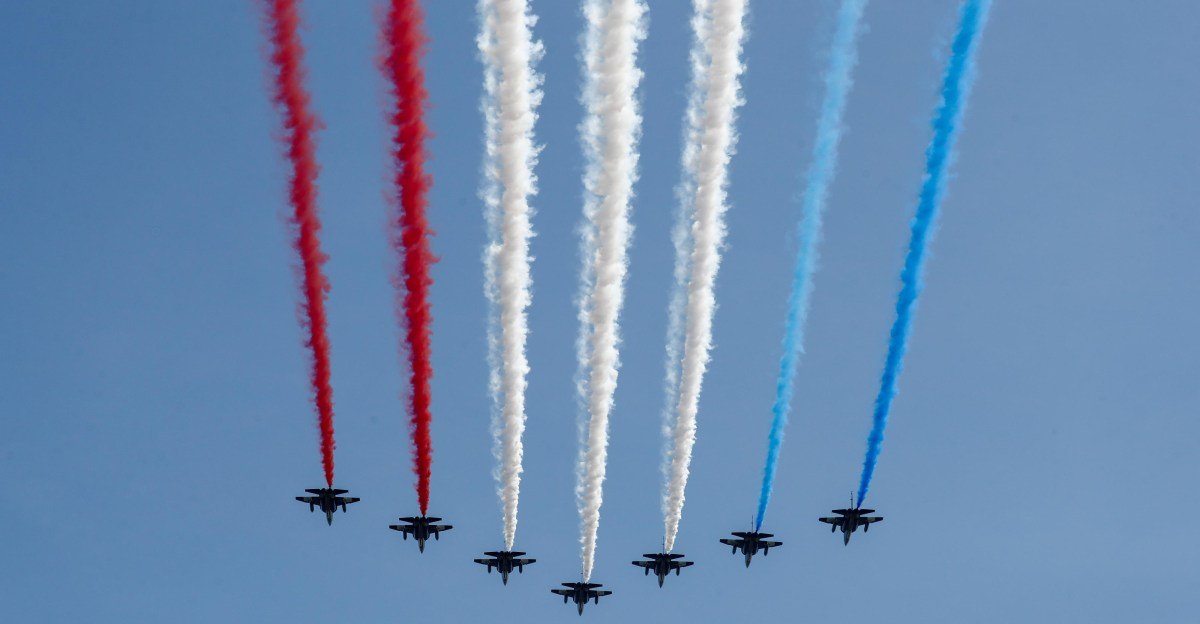

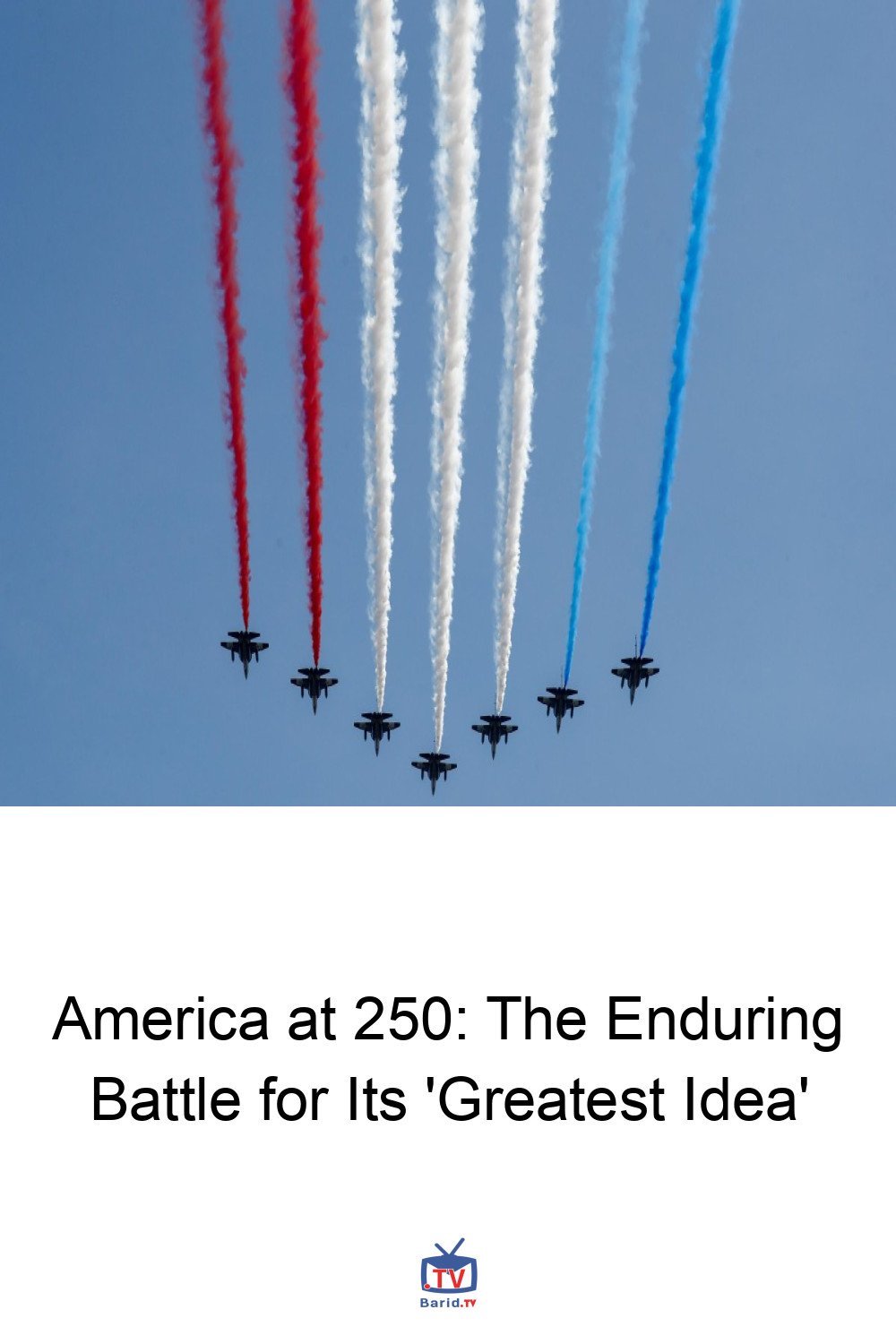
As the United States approaches its 250th anniversary, a moment of profound national reflection is upon us. While celebrations ignite across the globe—from the illuminated Eiffel Tower to a spectacular French flyover above New York City—a stark reality persists at home: America’s most foundational idea remains under persistent threat. This nation, a tapestry woven with both grand ideals and glaring paradoxes, must confront the ongoing battle for its soul.
A Quarter Millennium of Ideals and Imperfections
The journey to 250 years traces back to the radical Declaration of Independence in 1776, a document that articulated America’s aspirational spirit. Yet, the true beating heart of the nation, the mechanism for its enduring, albeit imperfect, self-correction, emerged over a decade later with the ratification of the Constitution. Within its hallowed pages lies the First Amendment, a testament to the framers’ foresight and a constant beacon for a free society.
So potent is the First Amendment that its principles resonate far beyond U.S. borders, often mistakenly believed to be universal rights. It stands as our original theory for a free society, a foundational cure for a project acknowledged to be perpetually unfinished, fixable only through the unwavering right to free expression. Indeed, the very existence of independent journalism, like The Verge, is predicated on this monumental project.
The Unyielding Mandate of the First Amendment
Its words are clear, compelling, and beautiful:
Congress shall make no law respecting an establishment of religion, or prohibiting the free exercise thereof; or abridging the freedom of speech, or of the press; or the right of the people peaceably to assemble, and to petition the Government for a redress of grievances.
This powerful declaration, however, has never been a static guarantee. From its inception, it has demanded relentless vigilance and spirited defense against those who would diminish its scope.
Historical Betrayals: When Leaders Undermined Liberty
John Adams and the Shadow of Sedition
Even in its nascent years, the First Amendment faced a formidable challenge from an unexpected quarter: John Adams, one of the fiercest architects of American independence. As the second U.S. president, Adams presided over the Alien and Sedition Acts of 1798. These laws, eerily prescient of later authoritarian impulses, targeted foreigners, expanded presidential power to detain and deport, and, most insidiously, criminalized “scandalous and malicious” writings against the government. Adams, despite his love for the nation he helped forge, demonstrably recoiled from the full magnitude of its liberties.
Wartime Fears and Enduring Misconceptions
The First Amendment again found itself under siege during World War I, this time by the Supreme Court. The chilling message about free speech from that era continues to echo, often through a pervasive misquote: “You can’t shout ‘fire’ in a crowded theater.” This popular adage, frequently misused, distorts the original context. As Trevor Timm highlighted in The Atlantic, the court’s decision actually concerned whether an American socialist could be convicted under the Espionage Act for distributing a pamphlet opposing the draft—a scenario that feels disturbingly contemporary. Nearly a century later, the Espionage Act would again be weaponized, this time against a New York Times journalist, underscoring the persistent fragility of press freedom.
The First Amendment on the Modern Front Lines
Today, misunderstandings and outright abuses of the First Amendment are alarmingly common, particularly in interactions with law enforcement. Armed agents of the state routinely falter in upholding their constitutional duties, often with disastrous consequences for citizens.
This systemic failure has even birthed a new phenomenon: “First Amendment auditors.” These streamers and influencers intentionally test their right to record in public spaces, baiting officials into overstepping their authority. Viral TikTok videos frequently capture illegal traffic stops or public harassment, where police, in their attempts to curtail constitutional rights, inadvertently escalate situations. In a best-case scenario, a higher-ranking officer intervenes, but the prevalence of these incidents reveals a troubling gap in understanding and respect for fundamental American liberties.
Protecting America’s Enduring Idea
As the United States looks forward to its next quarter-century, the work of safeguarding the First Amendment is far from over. It is not merely a historical artifact but a living, breathing principle that demands constant vigilance, education, and defense from every citizen. Only by understanding its profound importance and actively challenging its infringements can we ensure that America’s greatest idea continues to inspire and protect for generations to come.
For more details, visit our website.
Source: Link