
“We are so accustomed to disguise ourselves to others, that in the end we become disguised to ourselves.” ~François de La Rochefoucauld
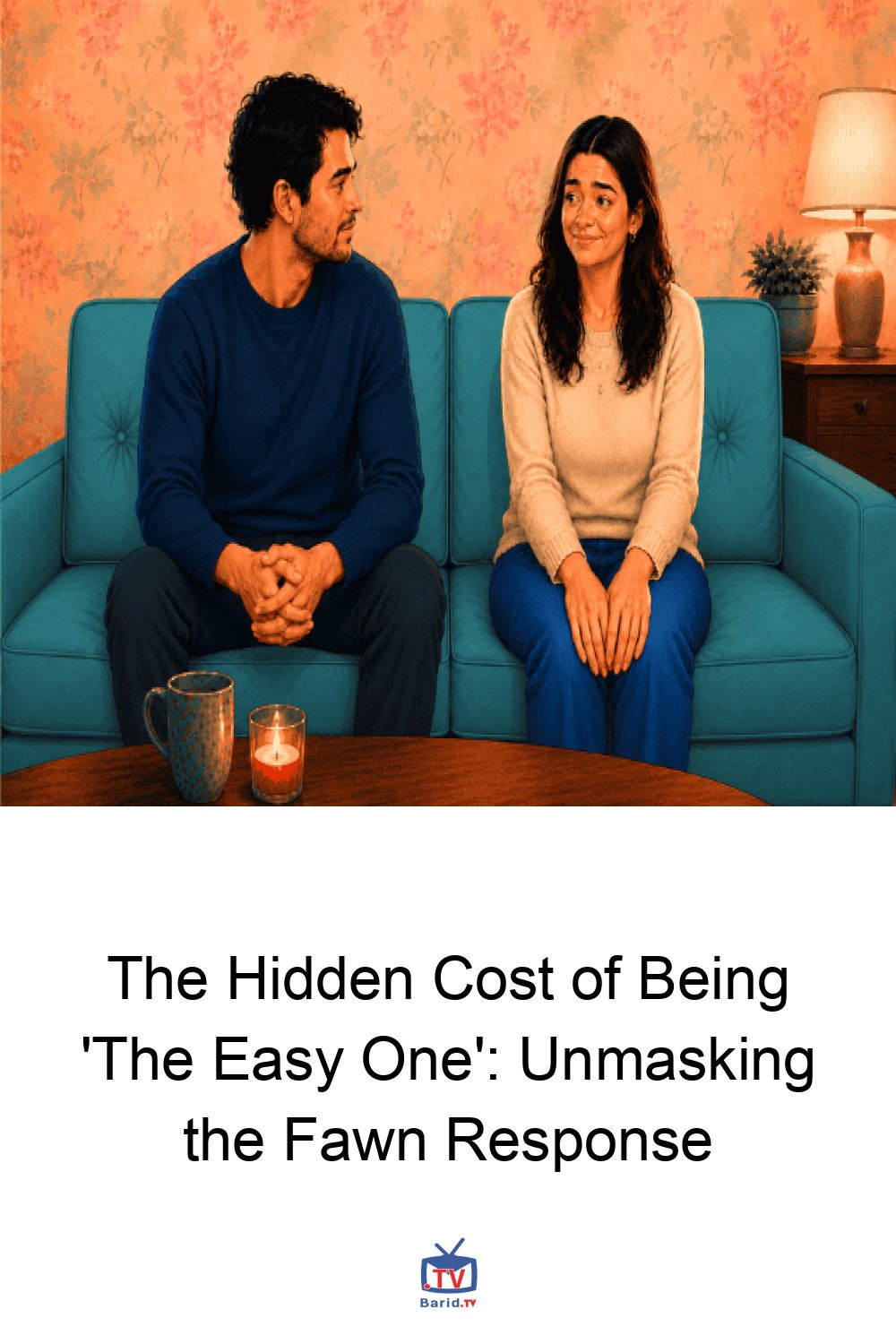
It was a seemingly innocuous moment, a casual shift in plans that, on the surface, spoke volumes about my flexibility. “So, in your relationship, do your partner’s needs always dictate how things go?” My therapist’s question cut through my carefully constructed narrative, prompting a deeper introspection. Just the night before, our dinner plans had dissolved. My partner, weary from a long day, opted for a quiet evening in, trading a restaurant meal for something defrosted. My immediate, heartfelt response? “I don’t mind—happy to do whatever you want.” And I truly believed it.
Yet, as I recounted the tale from the therapy chair, a subtle unease began to surface. I found myself instinctively defending his decision, and more surprisingly, my own compliant reaction. As a therapist myself, I’ve learned that defensiveness often signals an underlying truth yearning to be acknowledged. Sitting with that discomfort, a stark realization dawned: a defrosted meal was, in fact, the last thing I had wanted that night.
The Subtle Art of Fawning: When “Easy-Going” Becomes Self-Abandonment
For years, I wore the badge of “easy-going,” “flexible,” and “accommodating” with pride. I believed my deep attunement to others was a virtue, a gift that served me well, particularly in my profession as a therapist. What I couldn’t perceive then were the intricate patterns of self-abandonment woven so deeply into my personality that they had become indistinguishable from my very identity. These weren’t conscious choices; they were decades-old reflexes, refined to the point where they simply felt like “me.”
This is precisely why the “fawn response” is so insidious and challenging to identify. It doesn’t present as trauma or distress. Instead, it masquerades as thoughtfulness, emotional intelligence, and a profound connection to those around you. Society often praises these qualities, reinforcing the behaviour. You become “the easy one,” “the loving one,” the individual who effortlessly maintains harmony and connection. The external validation received for being so agreeable can be incredibly potent, creating a self-perpetuating cycle that reinforces external love and acceptance.
However, this seemingly benign strategy carries a hidden toll. Over time, the body and the very fabric of your relationships begin to bear the weight of all the emotions and needs your personality has learned to suppress.
The Terror of Disconnection: Fawning’s Deepest Root
While the more overt manifestations of this pattern might become clearer with increased self-awareness, the subtle ones are far more cunning. They embed themselves into your identity, shaping your worldview and your approach to life. That effortless, convincing “I don’t mind, you choose” — a phrase I genuinely believed and even commended myself for — was, in reality, a deeply ingrained coping mechanism.
At its core, fawning is a response to the profound terror of disconnection. In intimate relationships, where connection often feels like an anchor of safety, the threat of rupture can evoke genuine panic. The unspoken fear is palpable: If I am too much, not enough, or inconveniently myself, you will leave, and I will be alone.
This fear compels the fawner to lean in, to meticulously read the emotional “temperature” of others, and to adjust themselves accordingly. It’s an instinctive attunement, a constant effort to anticipate and provide what is needed, all in the service of preserving the connection. From an external perspective, this might appear as genuine consent and selfless giving. But internally, the body often registers a silent “no.”
The Master Shapeshifter: Overriding Self for Safety
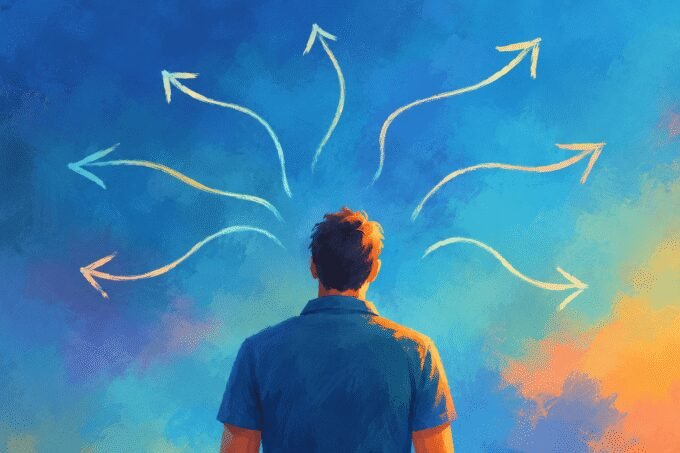
For the fawner, a sense of safety is tethered not to their internal state, but to the perceived emotional landscape of another. This leads to an extraordinary skill in reading subtle cues. Before a word is even spoken, the fawner can often discern whether someone is okay or not, present or absent, open or closed, and then instinctively molds themselves to fit the perceived need. We become master shapeshifters, driven by an unconscious question: Who do I need to be right now to maintain safety?
This question hums beneath countless interactions, so subtly and for so long, that it eventually fades from conscious awareness. The “performance” becomes the self. To dedicate such intense attention to another, one must necessarily abandon oneself. One must override personal bodily sensations, feelings, instincts, and needs. This process becomes so automatic and complete that, after decades, it no longer feels like a choice. It simply feels like “this is just me.”
That is, until a significant life event or a moment of profound introspection rattles the cage, forcing a confrontation with the true self.
Beyond Blame: Understanding the Cost of Chronic Fawning
It’s crucial to understand that fawning is not a pattern to be demonized. It is an incredibly intelligent, albeit ultimately unsustainable, safety strategy. It represents the nervous system’s ingenious attempt to find a pathway toward safety through connection and accommodation when other responses—fight, flight, or freeze—feel impossible or too dangerous. The true issue isn’t the response itself, but when it becomes so chronic and deeply embedded that we lose authentic contact with who we truly are beneath its layers.
The cost of this profound self-disconnection is inevitable. It often manifests as a deep disconnection from one’s own body and its signals. We cannot unconsciously fawn and simultaneously remain genuinely connected to our physiology. This internal rupture also frequently leads to a simmering sense of resentment.
For more details, visit our website.
Source: Link