
NYC Lawmakers Intensify Push to ‘Ban the Scan’ at Madison Square Garden
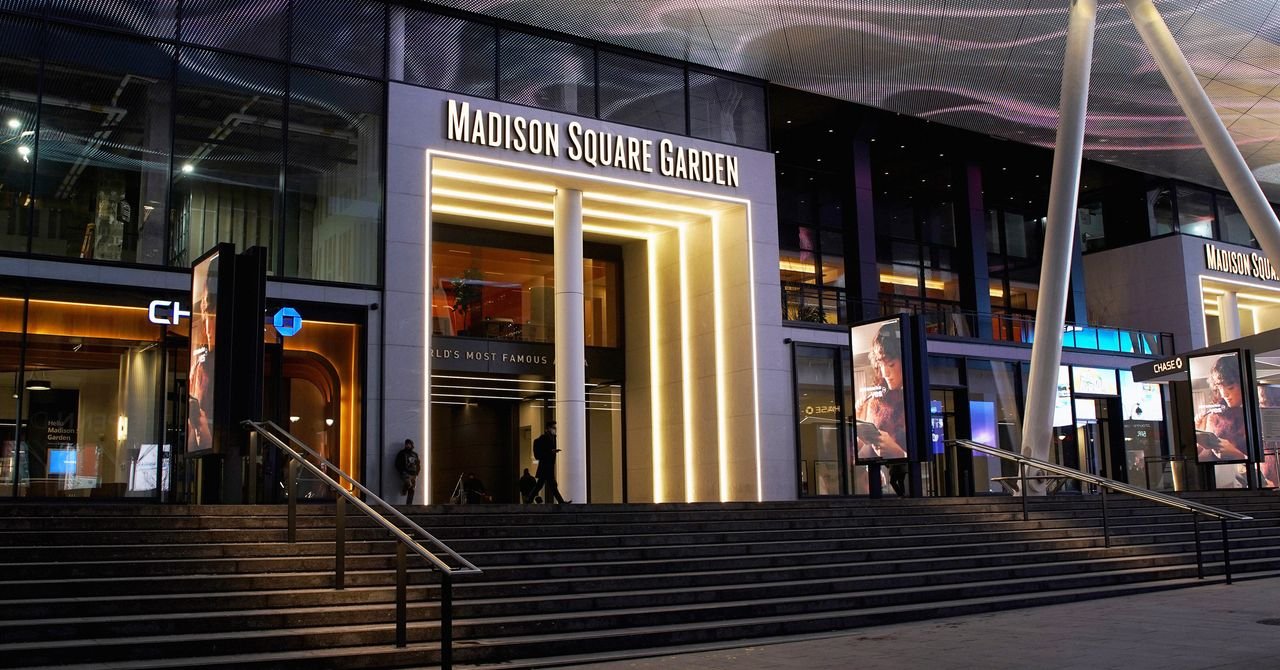
In a burgeoning battle for digital privacy, New York City lawmakers, joined by privacy advocates and musicians, are rallying to curb the use of facial recognition technology in public venues. At the heart of this dispute is Madison Square Garden (MSG), accused of flagrantly abusing biometric technology to monitor and ban individuals.
City Council member Shahana Hanif has emerged as a leading voice in this movement, spearheading a bill aimed at prohibiting public venues from deploying biometric recognition systems. Her impassioned call to “ban the scan” outside MSG on Friday underscores a growing concern over surveillance in the city’s most iconic spaces.
MSG’s Controversial Surveillance Practices Under Scrutiny
Madison Square Garden’s extensive use of biometric data collection has long been a point of contention. Reports from WIRED reveal a troubling pattern: fans critical of MSG CEO James Dolan or the New York Knicks have found themselves on watch lists, their faces logged in a vast database. One chilling account detailed MSG security meticulously tracking a fan’s movements at a Knicks game, cataloging interactions, meal times, and seating locations down to the minute.
The venue’s reach extends further, with hundreds of lawyers involved in disputes with Dolan or his properties reportedly banned from his venues. This includes a mother barred from attending a Radio City Music Hall show with her daughter, highlighting the broad and often punitive application of this technology.
Adding another layer of concern, WIRED also exposed MSG’s maintenance of a database assigning “risk scores” to approximately 400 celebrities and VIPs. Disturbingly, some of these dossiers reportedly include sensitive personal information such as race and sexual orientation. MSG’s response to these revelations was swift, filing a defamation lawsuit against WIRED, a move that only intensified the spotlight on its practices.
The ‘Ban the Scan’ Bill Gains Momentum
Council Member Hanif’s proposed “Ban the Scan” bill is quickly gaining traction within the City Council. With 27 endorsements, it has secured the support of more than half of the council members, who are now in discussions with Speaker Julie Menin to advance the legislation. The recent rally saw Hanif joined by Brooklyn-based country musician Paisley Fields, representatives from NYC DSA Tech Action, and members of the digital rights advocacy group Fight for the Future, signaling a broad coalition against unchecked biometric surveillance.
An MSG spokesperson, in an emailed statement, offered a simplified defense: “People have been recognizing each other’s faces since the beginning of time—we just do it electronically.” However, critics argue this statement fundamentally misunderstands the scale, automation, and privacy implications of modern facial recognition technology.
Privacy in the Post-9/11 Era: A Journalist’s Perspective
For Hanif, a Muslim who grew up in post-9/11 New York, the concept of surveillance is not new. Yet, she emphasizes that many New Yorkers may not grasp the profound extent of the surveillance they are subjected to merely by attending an event at MSG or its associated venues. The involvement of James Dolan, who has a documented relationship with former President Donald Trump, in collecting such sensitive data further amplifies Hanif’s concerns.
“New Yorkers need to understand, right now, between AI and all these tools that are being sold to us as being for … our city’s safety, are actually making us less safe,” Hanif warns. Her statement serves as a stark reminder that while technology promises convenience and security, it can also erode fundamental rights if left unregulated.
As the “Ban the Scan” bill moves forward, it represents a critical juncture for New York City, forcing a public reckoning with the balance between technological advancement and individual privacy in an increasingly digitized world.
For more details, visit our website.
Source: Link