
The strategic Strait of Hormuz remains a crucible of international tension, with Iran vehemently rebuffing U.S. President Donald Trump’s audacious claim that the vital waterway could soon become American territory. This diplomatic firestorm unfolds as reports emerge of another vessel being struck in the strait, underscoring the volatile nature of the region and the deepening geopolitical standoff.
Iran’s Unwavering Stance Amidst Trump’s Bold Claims
Iran has unequivocally rejected President Trump’s assertion regarding the Strait of Hormuz. “The Strait of Hormuz has been Iranian, is Iranian, and will remain Iranian; this strait will only be closed and opened under Iran’s command,” declared Iran’s Deputy Foreign Minister Kazem Gharibabadi in a late Friday post on X. He added, “The Strait of Hormuz cannot be seized by tweet, nor by aircraft carrier, nor by issuing an order, nor by an election speech,” directly challenging Trump’s rhetoric.
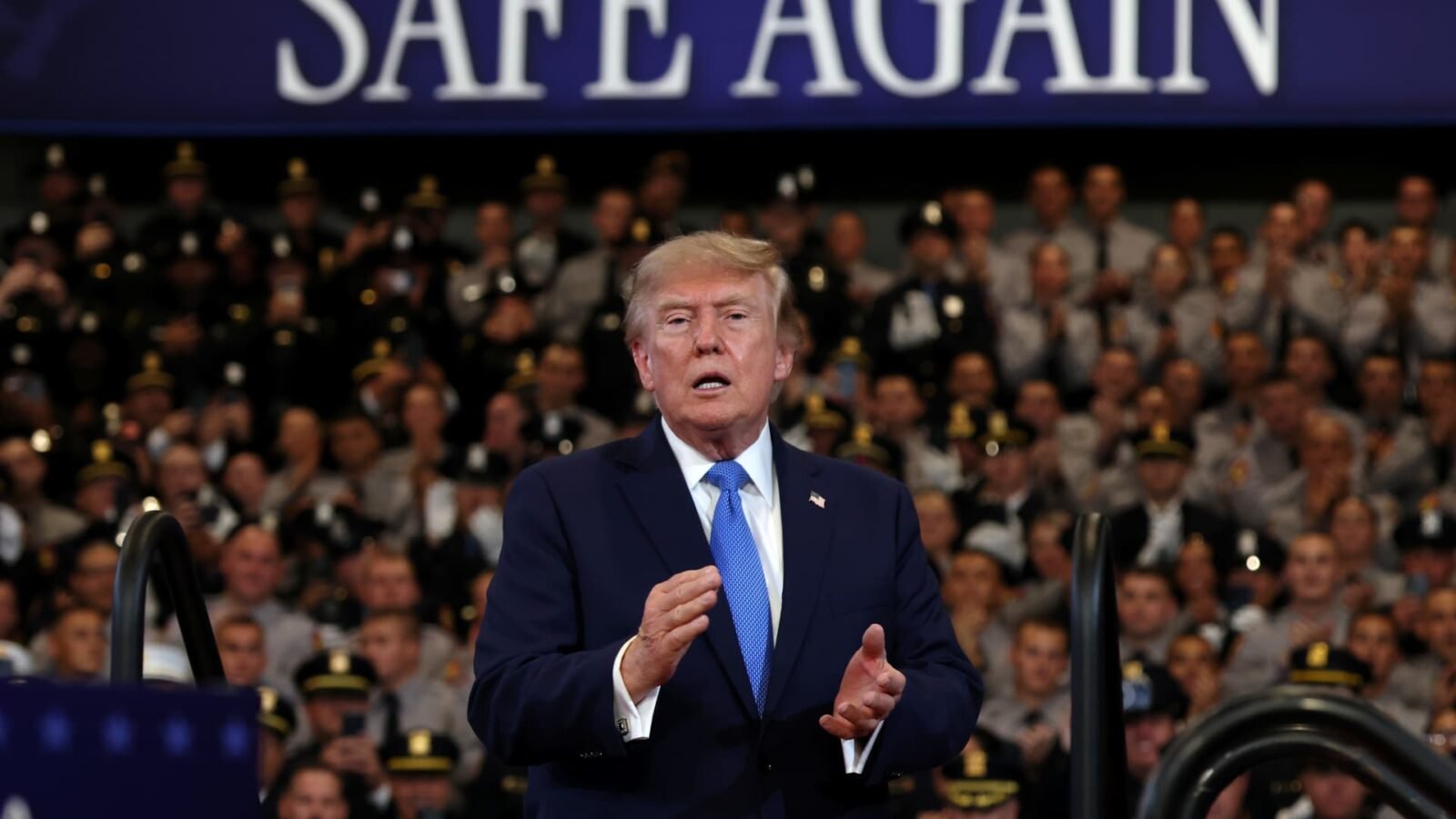
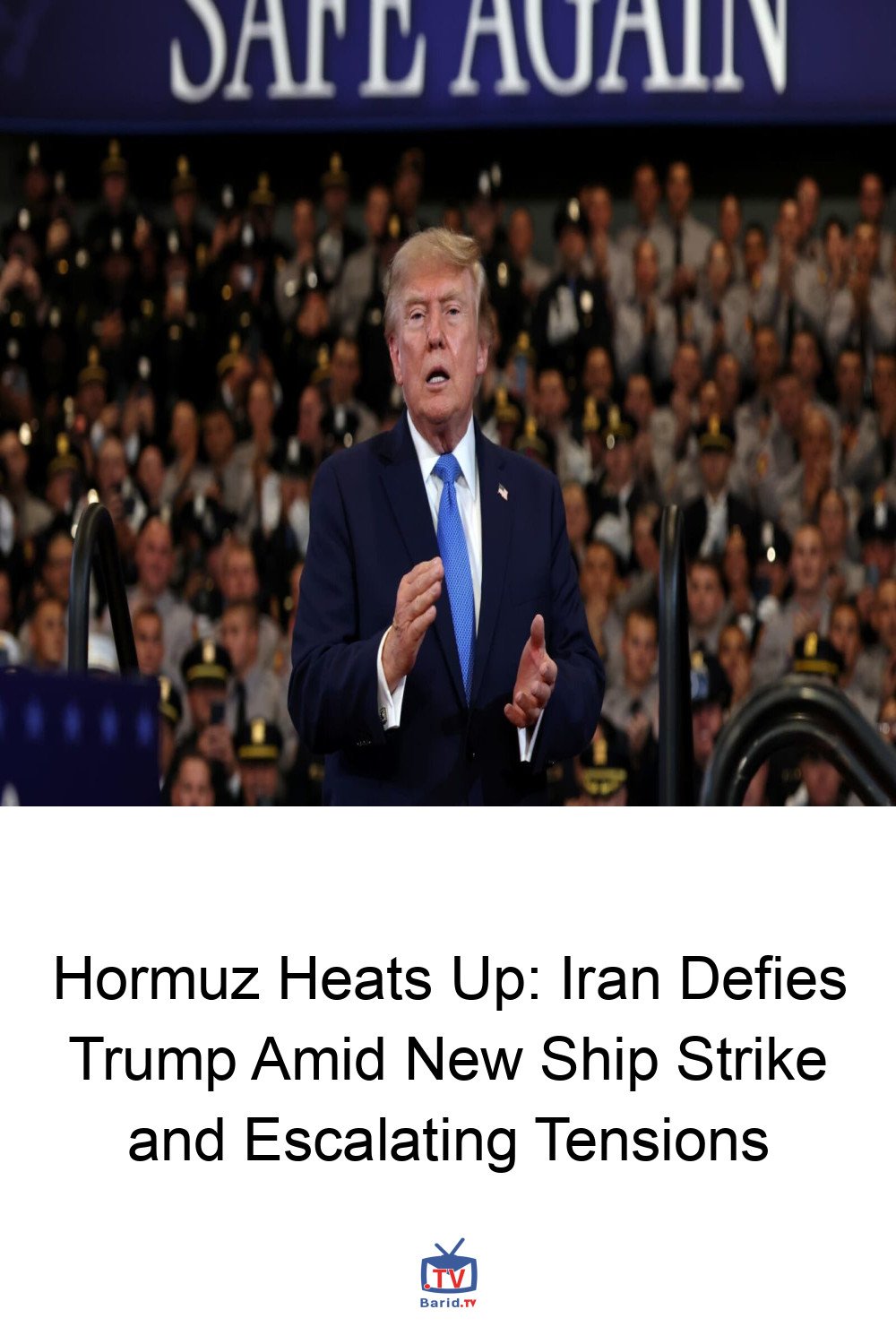
Earlier, President Trump had suggested that following a U.S. victory over Iran, he would “pretty soon… be declaring the Hormuz Strait a territory of the United States.” Known for his “to the victor belong the spoils” philosophy, Trump had even entertained the idea of imposing tolls on the strait post-conflict, a notion he later abandoned. Historically, the strait functioned as an open, un-tolled international waterway before the current conflict, which reportedly began with U.S. and Israeli strikes against Iran on February 28.
Maritime Incidents and Diplomatic Deadlock Deepen
The escalating rhetoric is mirrored by continued instability in the strait. The United Kingdom Maritime Trade Operations Centre (UKMTO), supported by the British Navy, reported Saturday a verified incident where a bulk carrier was “struck by an unknown projectile which has hit the hull.” This incident follows a pattern of shipping coming under fire from Iranian projectiles since an interim ceasefire collapsed in June, coinciding with U.S. strikes on Iranian targets as part of its port blockade.
Despite the heightened tensions, any prospect of direct dialogue remains distant. Iran’s Foreign Minister Seyed Abbas Araghchi was quoted by Shahrara News on Saturday, stating, “No negotiations have been held between us and the United States at this time.” While acknowledging that Qatar and Pakistan are facilitating message exchanges, Araghchi emphasized that this does not constitute negotiations, highlighting the profound diplomatic impasse.
The Economic Squeeze: Sanctions and Elevated Fuel Prices
The geopolitical stalemate continues to reverberate through global energy markets, keeping fuel prices significantly higher than pre-war levels. President Trump addressed the economic impact, urging Americans to accept slightly elevated gasoline costs as a necessary consequence of punishing Iran.
The Price of Principle?
“So for you to pay a tiny little bit more for your gasoline, just remember you’re doing it so that a very evil country cannot have, a country that really is the number one state sponsor of terror in the world,” Trump stated in a speech. He linked the sacrifice to preventing Iran from acquiring nuclear weapons, noting, “So remember that, when you have to pay a little bit more, you’re at four dollars.” Indeed, the American Automobile Association reported the average U.S. gasoline price at $4.07 per gallon on Saturday, a notable increase from $3.15 a year prior.
The U.S. is also intensifying its economic pressure. Treasury Secretary Scott Bessent announced that unprecedented economic measures would be applied to Iran. “It will be a combination of economic isolation like the world has never seen before, and the continued blockade in the Strait of Hormuz that will keep anything from going in or out of the Iranian ports,” Bessent told Newsmax, signaling a comprehensive strategy to cripple Iran’s economy.
U.S. Naval Presence and Prolonged Blockade
Complementing the economic sanctions, the U.S. military is committed to an enduring naval presence. Defense Secretary Pete Hegseth reportedly affirmed late Thursday that the naval blockade of Iran could be maintained “indefinitely,” with the Navy continuously rotating ships in and out of the region.
Reports indicate the USS George Washington aircraft carrier is en route to relieve the USS Abraham Lincoln, which has been deployed for over 250 days in the Middle East, far exceeding its expected May return. The George Washington strike group departed Vietnam on August 12, according to a Navy statement.
Addressing Morale Concerns
Hegseth also addressed and dismissed media reports of deteriorating conditions aboard the USS Lincoln, including food shortages, declining morale, and even attempted suicides by sailors, labeling them as “completely misrepresented.” However, these claims have drawn congressional attention, with Rep. Mike Levin, D-Calif., stating on X that he had initiated inquiries into the welfare of the deployed service members.
For more details, visit our website.
Source: Link