

“The wound is the place where the Light enters you.” ~Rumi
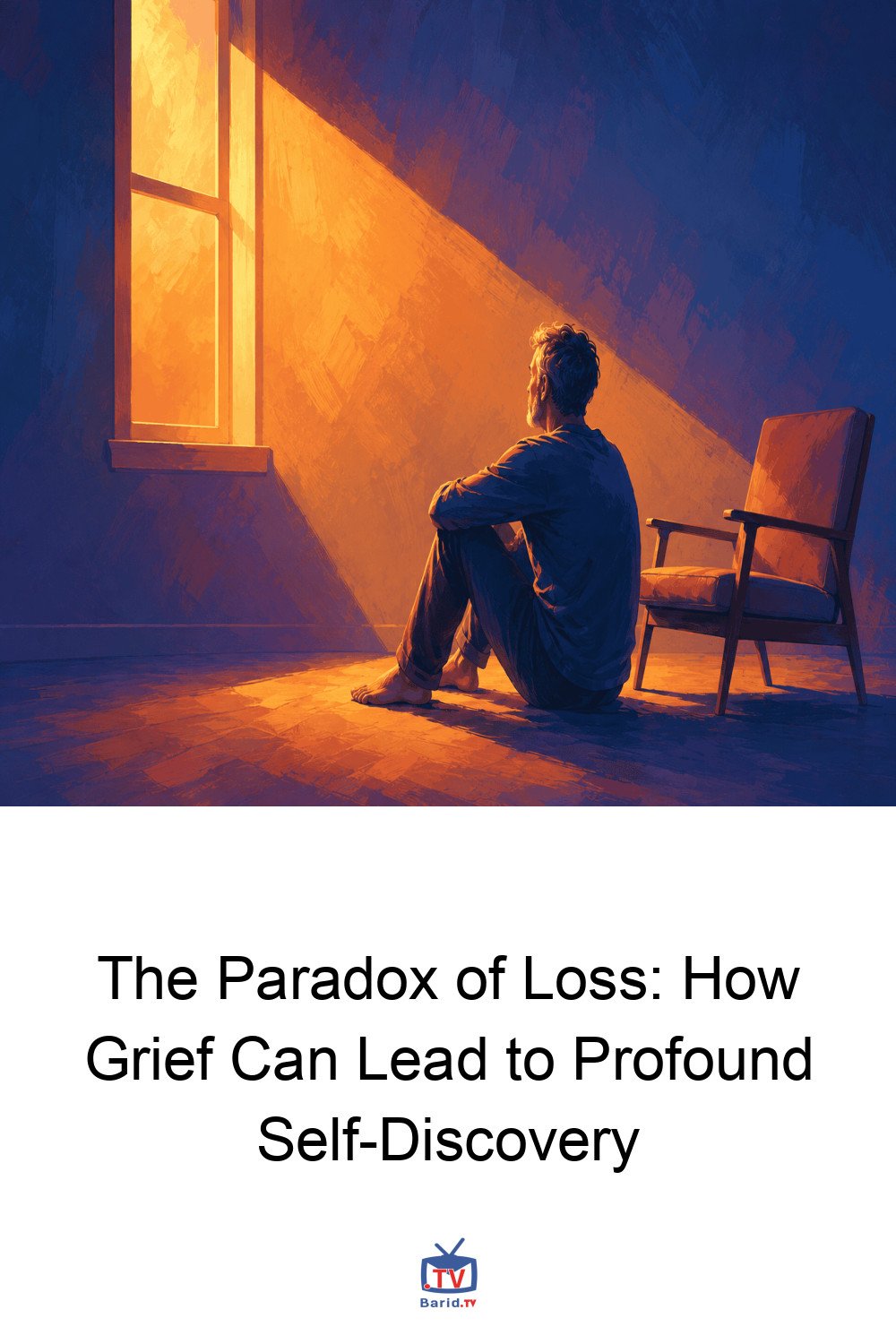
The room remained unchanged after her departure. The familiar chair, angled precisely towards the window as she preferred, stood exactly where it always had. Yet, in her absence, a profound shift occurred within me. I could finally perceive the true shape of the support I had leaned on, now that it was no longer there to bear my weight.
The Illusion of Outsourced Wholeness
For a considerable time, I labeled my feelings as “love,” and indeed, a significant portion was. But beneath the raw grief, a truth I was reluctant to confront slowly surfaced. Much of what I mourned wasn’t her, but rather the version of myself that existed in her presence. It was the self who never had to grapple with his own thoughts in solitude, the one who felt anchored because another held the opposing end of the rope.
This tendency, I believe, is far more common than we realize. We encounter someone, and without conscious decision, we entrust them with fragments of our being. Our sense of security, our motivation to rise each day, the quiet conviction that we matter to someone. This often masquerades as intimacy, and at times, it genuinely is. However, it can also become a subtle form of outsourcing. We delegate the heavier aspects of ourselves, labeling this arrangement as love. Then, one day, that person departs, passes away, or simply evolves, and we awaken to the stark reality: we had stored essential components of our identity in a dwelling that was never truly our own.
Grief as a Compass, Not a Problem
This realization was the most challenging aspect of her loss. Not the expected pangs of missing her, but the profound disorientation. I repeatedly reached for my accustomed sense of steadiness, only to find an echoing void where it once resided. It was akin to returning home and instinctively reaching for a light switch that had been inexplicably moved.
I must tread carefully here, for grief advice often possesses an unfortunate haste. We tend to offer lessons to those barely standing, as if insight alone can lighten an unbearable burden. It cannot. The initial demand of loss is not intellectual understanding, but rather the unreserved permission to truly
feel it. For months, I attempted to intellectualize my way out of the ache, until I grasped that this ache was not a problem demanding a solution. It was vital information. With an unparalleled precision, it was illuminating precisely where I had been living outside of myself.
So, I ceased my attempts to control it. I allowed it to simply be. I permitted its vastness. And gradually, within that unwavering presence, something beneath the surface of grief began to articulate itself.
Reclaiming Your Inner Light
Its message was clear: the steadiness you mourn was never truly hers to bestow. She didn’t implant it within you; she merely reminded you of its inherent presence. The warmth, the profound sense of sufficiency, the quiet core of your being—these were always intrinsically yours. You had simply cultivated the habit of experiencing them primarily in her company, leading you to mistakenly believe she was their ultimate source. She was not. She was a window. And while losing a window is a genuine and painful loss, it is fundamentally different from losing the light itself.
This is not to suggest we are self-sufficient islands. We absolutely need each other. I am not one to champion independence as the supreme virtue and dismiss intimacy as a weakness. We are inherently wired for connection, and a life devoid of it is undeniably diminished. My point is more nuanced, and I believe, more profoundly useful: the love that demands we sacrifice ourselves is not the deepest form. The deepest love emanates from a self that is already whole, rather than being a desperate grasp to become whole. One is a pure gift; the other, a transaction veiled as devotion. This distinction is often imperceptible within a flourishing relationship, as everything appears to function seamlessly. Only when the relationship concludes do we truly discern its nature.
If a person departs and you grieve, that is love. If a person departs and you feel you disappear, that is the part of yourself you had relinquished, now demanding its return.
The Quiet Work of Healing
For me, healing wasn’t a dramatic transformation. It manifested as learning to occupy the same room we once shared, alone, without the urge to flee. It involved recognizing the precise moment my mind reached for her presence to feel okay, and instead, choosing to remain with the discomfort rather than chasing immediate relief. It was a mosaic of a hundred small, deliberate refusals to outsource myself ever again. None of it felt like progress in the moment; it felt like sitting in an empty room. But this, I have come to realize, is the essence of the work. You remain long enough for the room to shed its emptiness and begin to feel unequivocally yours.
The Unexpected Gift of Absence
There is a peculiar gift embedded within this process, one I almost hesitate to name, lest it sound like an attempt to sanitize the pain. It is not. Yet, it remains true: loss ultimately returned me to myself. It compelled me to search within for the very things I had sought externally, and to my astonishment, they were there. Not perfectly formed, not effortlessly accessible, but undeniably present. The wholeness I had been grieving the loss of turned out to be the wholeness I had been overlooking all along.
If you find yourself amidst the profound pain of losing someone, I will not pretend that any of this will lighten your burden today. It simply doesn’t operate that way. But I offer one small truth to hold onto: the ache you feel is not merely proof of their significance, though it is certainly that. It is also a map. With agonizing accuracy, it is revealing the precise junctures where you ceased holding your own life and entrusted someone else to hold it for you. You don’t need to act on that map immediately. You simply need to allow yourself to feel it, and trust that it knows the way.
For more details, visit our website.
Source: Link