





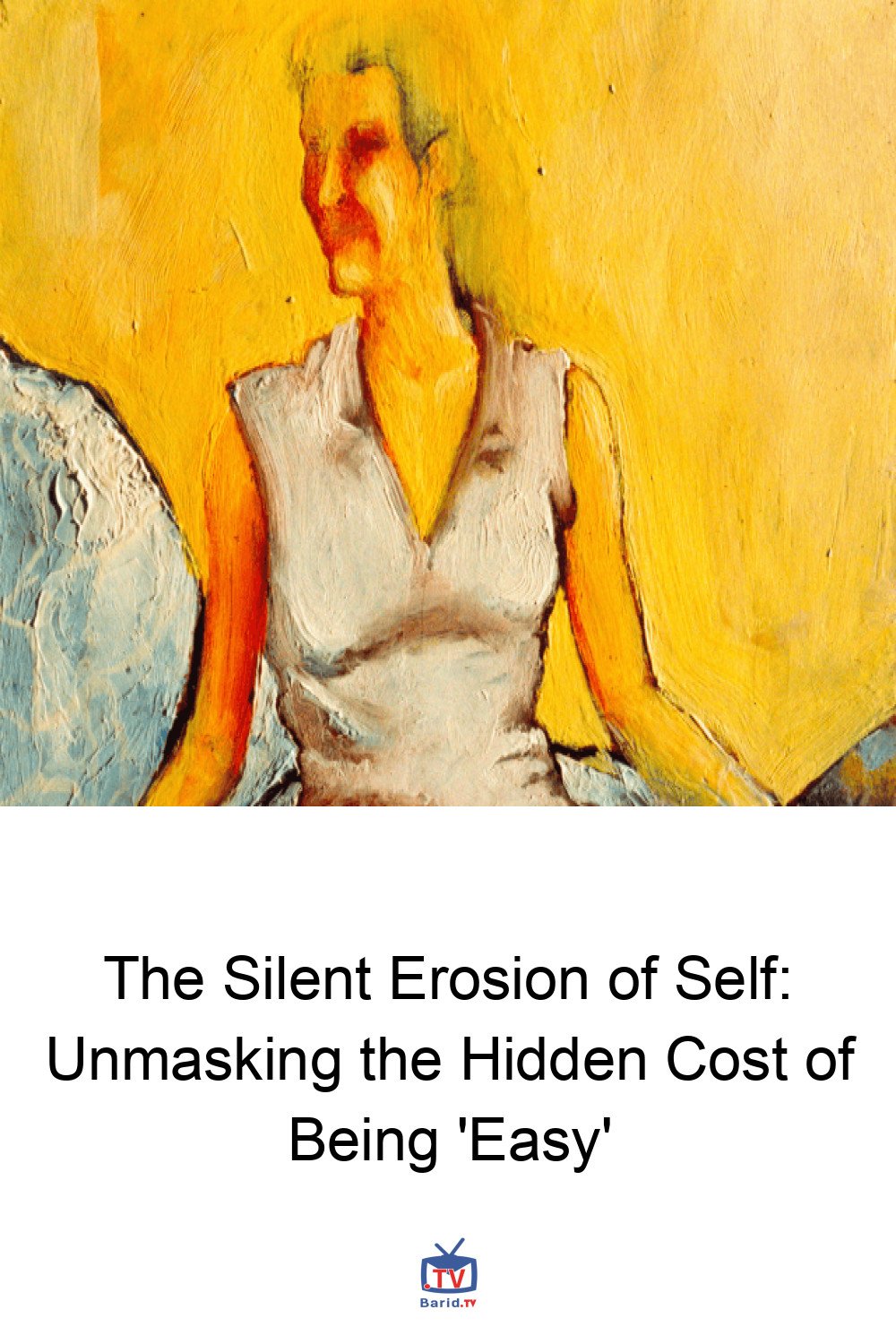
“Being easy to please is often mistaken for having no needs at all.” ~Unknown
It was four years into our marriage when my husband, out of the blue, asked, “What’s your favorite color?” I laughed, assuming a joke. He wasn’t. “I’m serious,” he insisted. “I know mine’s blue, but I realized I don’t know yours.” My mouth opened, but no answer came. Not because I lacked a favorite color, but because my mind went blank, searching for a preference that was solely mine, a question I hadn’t been asked in what felt like an eternity. “I don’t know,” I finally admitted. “I’ve never really thought about it.” He looked at me as if I’d forgotten my own name.
The Allure of ‘Easy’: A Misguided Virtue
For much of my adult life, “easy” was the highest accolade I believed I could achieve. Easy to date, easy to live with, easy to collaborate with. My college roommate proudly declared, “She’s so chill, she genuinely doesn’t care what we do,” a statement I wore like a medal. My first serious boyfriend described me as “low-maintenance” to his mother, and I recall a flush of pride, convinced I had aced some unspoken test. I didn’t delve deeper. Being easy meant being good. Being easy meant people wanted me around.
The Invisible Erosion of Self
What I failed to recognize—what took years to even notice—was that this coveted “easiness” demanded a constant, invisible sanding-down of my own preferences. “Where do you want to eat?” Anywhere is fine. “What movie should we watch?” Whatever you’re in the mood for. “Where should we go on vacation?” I don’t mind. You pick. I uttered variations of these phrases so often that they ceased to be conscious choices, transforming into ingrained reflexes.
The car ride with my husband cracked open something profound, a bruise I spent months prodding uncomfortably. I began to observe how frequently I defaulted to this behavior, not just with him, but with everyone. A friend would ask about coffee, and a tiny jolt of panic would precede my automatic, “Oh, wherever’s easiest for you.” My sister’s birthday inquiry would be met with, “Honestly, don’t worry about it. I don’t need anything.” And I meant it, because I had genuinely stopped allowing myself to want things enough to articulate them.
A few weeks later, I brought it up with my husband, half-joking, half-serious. “I think I actually don’t know what I like anymore.” He didn’t laugh. Instead, he said, “I’ve kind of noticed that. I used to think you were just really chill. Now I think you might just be really good at disappearing.” That sentence resonated in my chest for days.
Unmasking the Survival Reflex
I want to be unequivocally clear: no one imposed this on me. My husband never demanded I be easy. My friends never insisted I have no preferences. In fact, those closest to me gently, repeatedly, inquired about my desires, like tapping on a door to see if anyone was home. I was the one who consistently responded with “whatever’s fine,” long after it ceased to be true.
I believe I learned, long before these adult relationships, that strong preferences made me a target. Growing up, my parents’ moods could shift a room in seconds, and I became adept, at a young age, at reading the emotional currents and adjusting myself to match them before anyone had to ask. Agreeing felt safer than wanting. Wanting offered people something to reject. By adulthood, “I don’t care, whatever you want” wasn’t a personality trait; it was a decades-old survival reflex, expertly disguised.
The Courage to Reclaim Preferences
The hardest part wasn’t the realization; it was the arduous process of undoing it. Weeks after the color conversation, my husband asked about dinner, and I forced myself to name an actual restaurant. Not “wherever,” not “you pick,” but a specific name, spoken aloud. He blinked. “Oh! Yeah, let’s do that.” That was it. No argument. No disappointment. No accusation of being difficult. Yet, my heart pounded as if I’d committed a reckless act.
I sat in the passenger seat, a strange blend of pride and exposure washing over me, like stepping outside without a coat I’d worn so long I’d forgotten it was optional. These small, almost embarrassingly tiny acts continued: telling a friend I preferred a different movie, declining to host Thanksgiving that year, and finally, admitting aloud that my favorite color is green, because it reminds me of the woods behind my childhood home—a detail no one had ever asked, because I’d never given them the opening.
Every single time, I braced for the relationship to reveal its conditional nature. For someone to declare, “Actually, I liked you better when you didn’t want things.” No one ever did. I’ve since pondered how many of my relationships were built on a version of me that wasn’t quite real.
Building Authentic Connections
This journey of rediscovery is ongoing. It’s about dismantling a lifetime of self-effacement and learning to trust that my authentic self, with all its preferences and desires, is not only acceptable but desirable. It’s a testament to the quiet strength found in simply knowing, and voicing, what you like.
For more details, visit our website.
Source: Link








Leave a comment