
“The wound is the place where the Light enters you.” ~Rumi
The first winter abroad, I mastered the art of the cheerful lie. “How are you settling in?” someone would inquire, and a bright smile would mask the truth as I responded, “Really well, thank you.” These were often the most fluent words I uttered all day, a stark contrast to the internal landscape of my new life.
I had traded a vibrant, bustling existence for a quiet apartment in a country where the very air seemed to bite with cold. As a student, far from the familiar comfort of those who knew me intimately, a profound sense of isolation began to set in. Yet, I was acutely aware of the immense hope, financial sacrifice, and prayers that had paved my way here. My parents spoke of my journey with a particular pride, a shine in their voices that made any admission of struggle feel like a betrayal. How, then, could I confess to crying in the cereal aisle?
The Silent Prison of “I’m Fine”
Indeed, I did cry. One evening, searching for a staple vegetable I’d known my entire life but couldn’t find under any name, a small, inconsequential absence triggered an overwhelming wave of despair. I found myself weeping openly in front of the frozen peas, feeling as though the ground beneath me had vanished. Moments later, I wiped my face, bought a substitute, and sent my mother a photo of my “big Canadian grocery haul,” adorned with three cheerful smiley faces. This became the rhythm of my days: private struggle, public performance, and contented reports home, like a carefully curated postcard.
I convinced myself this was maturity, a necessary adaptation. It was not. It was a slow, insidious disappearance of my true self. An unspoken rulebook governed my emotions: Others have it so much harder. People would do anything to be where you are. You chose this, so you have no right to complain. Each rule, technically true, collectively constructed a formidable prison where my authentic feelings were denied existence, perpetually overshadowed by the imagined suffering of others.
When Silence Becomes a Sickness
So, I folded my loneliness into a tiny, manageable square. “I’m fine,” became my mantra, repeated so often I almost believed it could replace the truth. It couldn’t. The suppressed ache merely sought alternative escape routes. It manifested as persistent headaches, a profound tiredness that sleep couldn’t touch, and sharp words directed at the few people close enough to witness my unraveling, followed by waves of self-loathing. It kept me awake at 3 a.m., scrolling through endless photos of a home that, I imagined, was thriving perfectly well without me.
The Unassuming Breakthrough
The moment that finally cracked me open was not a grand, dramatic event. Such moments rarely are. A classmate, someone I barely knew, asked, “How are you, really?” And then, she did the extraordinary thing almost no one ever does: she paused. She waited through my automatic “I’m good,” and she didn’t rush to fill the silence. In that unexpected space, the truth, raw and unbidden, simply tumbled out.
“Actually,” I confessed, my voice barely a whisper, “I think I’ve been really lonely. I don’t think I’m okay.” I braced myself for discomfort, for a dismissive “You’ll be fine!” But instead, her face softened with understanding. “Yeah,” she said quietly, “Me too. It’s so much harder than people admit.”
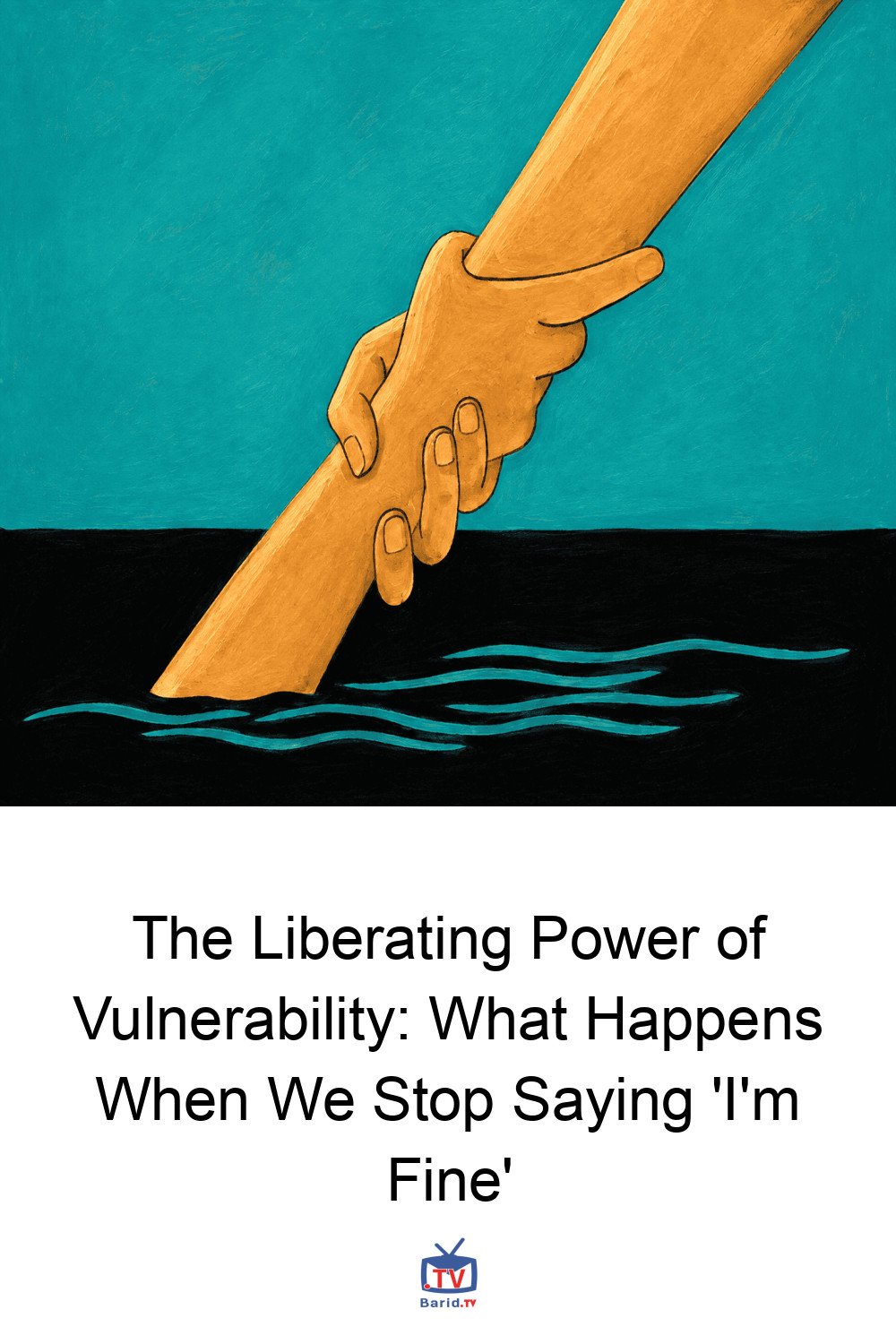
That was it. No grand solution, no heroic rescue. Just one person’s simple, empathetic “Me too,” and the walls of my self-made prison crumbled, revealing themselves to be nothing more than paper.
Embracing the Terrifying Truth: “I’m Having a Hard Time”
I wish I could claim that everything transformed that very night. It didn’t. But something small, yet profoundly stubborn, shifted within me. I began to practice a terrifying new sentence: “I’m having a hard time.”
I uttered it to a cousin, who, in turn, confessed to crying through her own first year abroad, a secret she had kept for years. I shared it with a neighbor, who soon began leaving thoughtful, small gestures at my door. Eventually, I spoke it to a professional, learning a crucial lesson: needing support is not synonymous with being broken. Each time, the same quiet miracle unfolded: the very thing I had been so ashamed of, my struggle, turned out to be the most ordinary, human experience imaginable. I had been so consumed by hiding my difficulties that I had never given anyone the chance to truly meet me in them.
Lessons from the Light
Those challenging years imparted invaluable wisdom, lessons I now gently offer to anyone else navigating their own silent pretenses:
Gratitude and Grief Can Coexist
You can be profoundly thankful for an opportunity while simultaneously mourning what it has cost you. One emotion does not negate the other. You do not need to earn the right to feel pain.
“Someone Has It Worse” Is Not a Reason for Silence
There will always be someone facing greater hardship, and equally, someone enjoying greater ease. Neither of their realities invalidates your own. Your pain requires no permission slip to be real.
Strength Lies in Vulnerability, Not Isolation
For years, I equated strength with needing nothing from anyone. Now, I understand that true strength lies in allowing one trusted person to witness your unedited self, even when your voice trembles with the effort.
A Gentle Invitation to Authenticity
If you take only one thing from my story, let it be a small, manageable step. The next time someone asks how you are, consider offering one safe person a slightly truer answer than “fine.” You don’t need to unravel your entire story. You don’t have to fall apart. A simple, “It’s been harder than I let on,” can be enough. Observe what unfolds in the silence that follows.
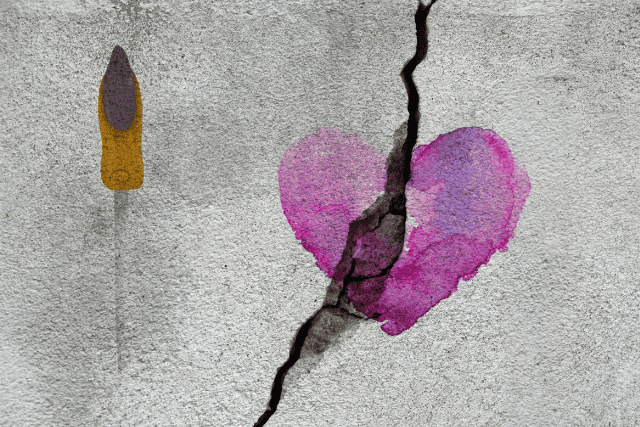
I cannot promise this newfound honesty will instantly melt the cold, bridge the distance, or erase the strange grief you carry. But I can promise this: you were never meant to bear your burdens alone, and you were never as isolated as your pretending made you feel. The very crack you’re so ashamed of might just be the precise opening where the light finally gets in.
About Hareesma Am
For more details, visit our website.
Source: Link