
“Almost everything will work again if you unplug it for a few minutes, including you.” — Anne Lamott
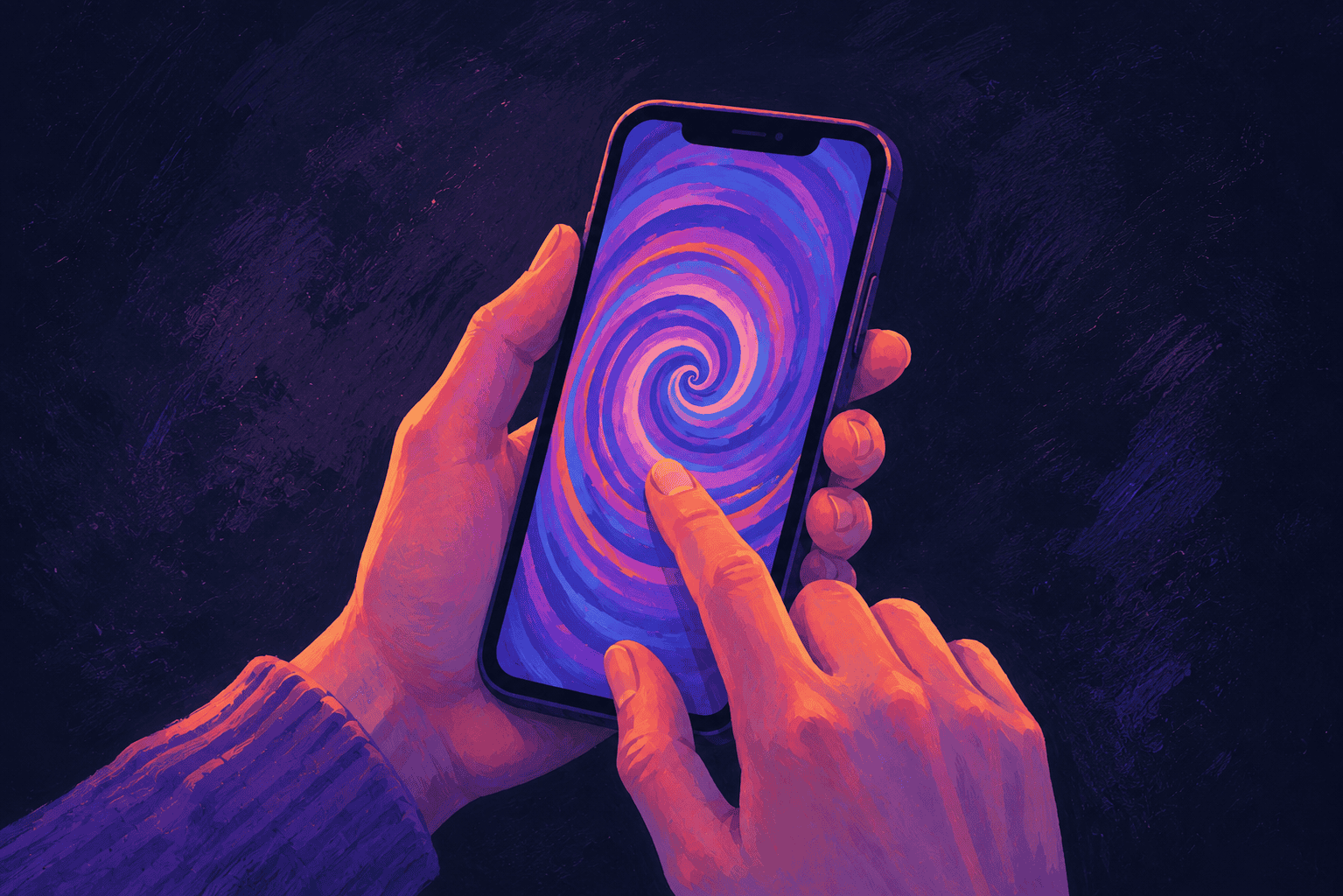
In our hyper-connected world, the siren song of the screen is almost impossible to resist, especially after a grueling day. The familiar ritual unfolds: a demanding workday, a lengthy commute, family obligations, constant messages, and the relentless ping of notifications. Finally, the promise of rest beckons. We sink into a plush sofa, eager for the latest streaming series or a cascade of short, amusing videos—AI-animated cats reviewing street food, comedic skits of marital banter. These flickering distractions offer a temporary reprieve, dulling the edges of a headache and pushing everyday anxieties to the periphery. It feels like rest, a low-effort escape for a brain already overtaxed.
Yet, beneath this veneer of relaxation, a subtle unease often lingers. We might yearn to delve into that weighty novel on the nightstand or rekindle a forgotten passion for watercolors. We crave meaningful engagement, but our minds, fogged by the day’s demands, seem incapable of embracing new challenges. The desire to simply tune out and drift into sleep becomes overwhelming.
The Illusion of Digital Rest
Herein lies the paradox: this seemingly relaxing evening routine often leaves us feeling more depleted than refreshed. We awaken groggy, bracing for another demanding day, fueled by coffee and a fresh deluge of emails. The truth is, an evening spent scrolling offers little in the way of revitalizing rest. Instead, it distracts and numbs, failing to empower us for the challenges ahead.
It may seem counterintuitive, but passive consumption—often dubbed “couch rotting”—is far less restorative than engaging in activities that gently challenge the mind. The perils of doomscrolling are extensively documented; we hardly need another study to link excessive social media use to increased depression and anxiety. However, for many, the idea of tackling a dense novel or cultivating a garden after a ten-hour workday feels utterly unrealistic, a luxury reserved for those without demanding careers, children, or complex lives.
Breaking the Cycle of Mindless Scrolling
Admittedly, I too have fallen prey to the allure of the digital abyss. I enjoy the occasional hilarious AI cat video, the witty travel blogger, or a meticulously edited tutorial on Nordic fish soup. But I also intimately know that sinking feeling—the demoralizing realization that countless evenings have been surrendered to the screen, an occasional indulgence morphing into a robotic, unquestioned habit.
Over the years, I experimented with various digital detox strategies: setting screen time limits, downloading meditation apps, and banishing my phone from the dinner table. Yet, none truly stuck. The fundamental issue was exhaustion; by evening, the mental energy required to initiate a new lifestyle change simply wasn’t there. The dusty watercolors remained untouched because the effort of deciding what to do, how to start, or even where to find the supplies felt insurmountable.
Introducing the “Analog Basket”: A Gateway to Genuine Unplugging
Then, a profound realization struck me: my evenings weren’t lost to scrolling due to a lack of motivation or inherent laziness. They were lost because I lacked accessible, pre-defined alternatives. The thought of watercolors, reading, a walk in the park, meditation, or gratitude journaling immediately triggered a cascade of decisions: What should I write about? How do I meditate? Which app is best? Where are my supplies? These are not the decisions one craves after an hour in traffic and a microwaved dinner.
My solution was elegantly simple: eliminate the decisions. I resolved to make my cozy, analog evening activities as effortlessly accessible as my smartphone or TV remote. No more agonizing over what to do. No more defaulting to mindless scrolling because it was the path of least resistance.
I created an “analog basket.” I repurposed a large straw basket, once home to a gourmet Christmas gift set, and filled it with everything I needed for a quiet evening away from screens. The curated contents included:
- Headphones: For immersing myself in jazzy playlists or inspiring podcasts.
Adult Coloring Books:
To keep my hands engaged while listening.- A Diverse Reading Selection: A challenging literary novel, a self-improvement book, and a light romance to suit varying moods and energy levels.
- Art Supplies: Colored pencils, watercolors, and oil pastels to spark creativity.
- Lined Notebooks: Dedicated to gratitude journaling.
- Tarot Cards: As a unique prompt for journaling inspiration.
- Blank Notebooks: For freehand drawing and sketching.
- Old Magazines: For leisurely reading or creating vision boards and collages.
- Jigsaw Puzzles: A tangible, engaging challenge.
- A Commonplace Book: To collect recipes, quotes, and insights that might otherwise vanish into a digital notes app.
This basket found its home next to my nightstand, prominently displayed—a constant, undeniable invitation. And to my surprise, it worked.
The Journey to Authentic Engagement
The transition wasn’t entirely seamless. My hand cramped during initial journaling sessions. My first attempts at watercolor felt clumsy, a stark reminder of skills dulled since college. But gradually, something shifted. I stopped fixating on whether my sketches were “Instagram-worthy.” I ceased to care if my thoughts sounded eloquent enough for public consumption, or if my chosen activities were productive in a measurable way. The true value lay in the simple act of doing, of engaging with the tangible world, and allowing my mind to genuinely rest and wander. This analog basket became more than just a collection of items; it became a sanctuary, a deliberate choice for authentic well-being in a digitally saturated world.
For more details, visit our website.
Source: Link