

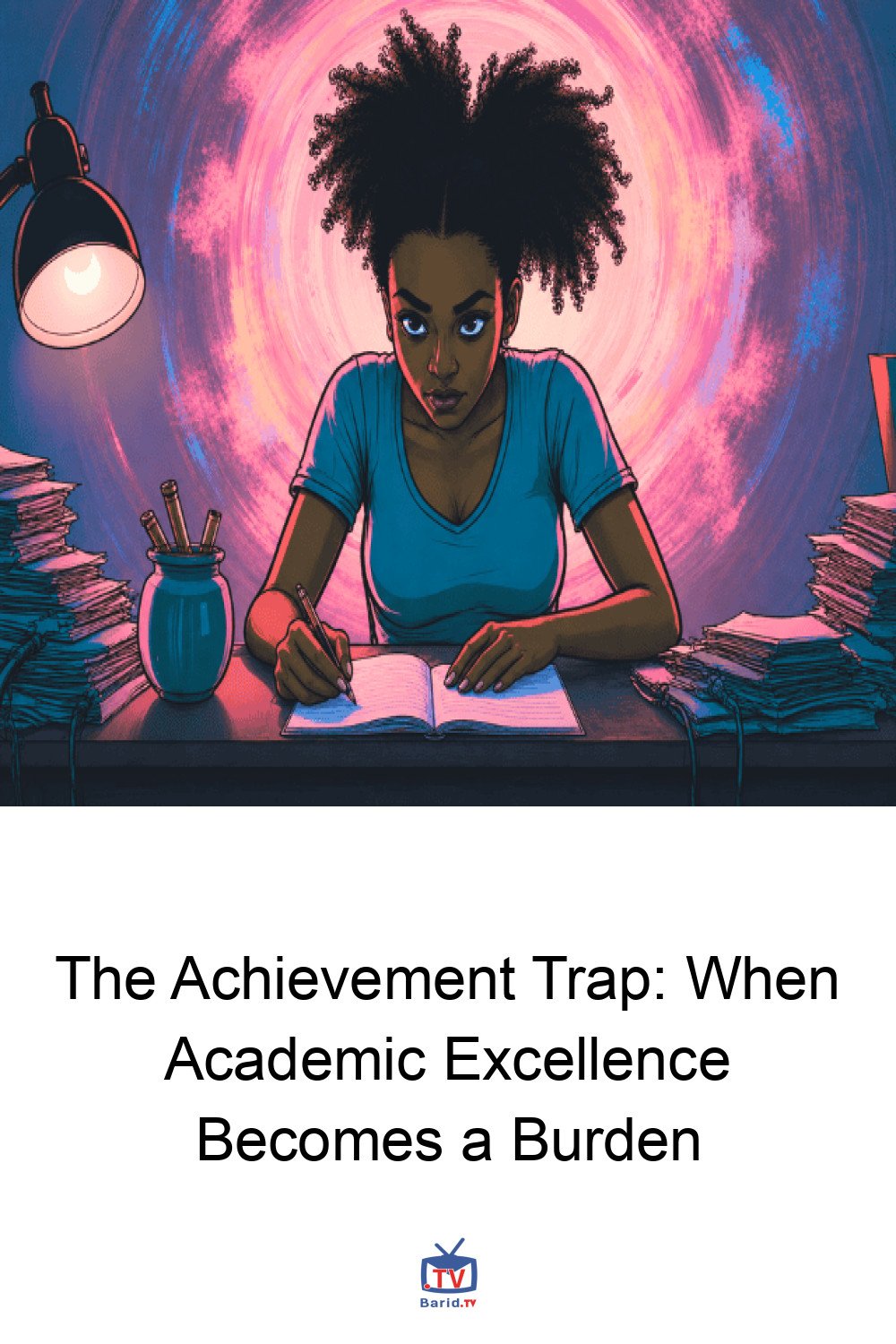
“To tie your worth to achievements is a recipe for suffering.” ~Brad Bizjack
Children, in the formative years of schooling, absorb far more than just academic subjects. They internalize profound lessons about success, failure, belonging, and ultimately, their own self-worth. This foundational understanding, often shaped by the very systems designed to educate them, can set a lifelong trajectory for how achievement is perceived and pursued.
The Double-Edged Sword of Academic Streaming
My primary school introduced a system of academic streaming that, on paper, seemed perfectly logical. Grade seven classes were meticulously divided into streams, with the highest-performing students occupying the first, and subsequent streams filled based on academic prowess. The rationale was clear: students would learn among peers of similar ability, allowing teachers to tailor instruction for optimal learning.
However, this seemingly efficient system harbored a critical flaw: permanence was an illusion. At the close of every examination period, rankings were rigorously reviewed. Students could find themselves ascending to the coveted top stream or, conversely, demoted to a lower class. Each exam was not merely an assessment of knowledge, but a public judgment, with the entire school keenly aware of every shift in status. A promotion was celebrated; a demotion, whispered about.
The Weight of the Top Stream
When the system launched, I found myself placed in the top stream. While I likely belonged there academically at that juncture, my experience was less about thriving and more about relentless survival. The constant, gnawing fear of slipping – of public failure, parental disappointment, and the dreaded whispers of peers – overshadowed genuine learning. Dropping to the second stream wasn’t just a classroom change; it felt like an unimaginable shame.
This survival mentality dictated everything. The objective shifted from understanding concepts to merely passing exams and retaining one’s position. Break times were spent hunched over desks, completing assignments. Taking work home meant sacrificing precious hours that could be dedicated to pre-studying for the next test. An unspoken expectation permeated the top stream: these were the ‘bright students’ who should be self-sufficient, capable of grasping complex ideas with minimal guidance. Excellence wasn’t just anticipated; it was an assumed baseline.
The Enigma of the Second Stream
Intriguingly, the second stream held a peculiar fascination for me. It contained students clearly capable of joining the top class, yet they consistently remained. As a child, I couldn’t comprehend this. Why wouldn’t one aspire to the ‘best’ class? Yet, secretly, I envied them. They exuded a lighter spirit, laughed more freely, and seemed unburdened by the relentless pressure to constantly prove their worth.
Looking back, it almost felt as though they had an unspoken pact: maintain a comfortable position, avoid the third stream, but steer clear of the top. And if a top-streamer faltered, don’t make room for their accompanying pressure. Whether this pact was real or imagined, it shaped my childhood perception. As an adult, I now wonder if they instinctively understood something I didn’t – that every achievement carries a ‘maintenance cost’. In the second stream, they could consistently excel, breathe freely, and enjoy learning without the suffocating fear of losing a hard-won title.
The Paradox of Dual Rankings
Those of us in the top stream, however, lived under a different kind of burden. To the outside world, we were the admired, the elite. Within our classroom, many of us were simply striving not to be the weakest link in the strongest chain. This experience was further complicated by a dual ranking system. While I might be ranked thirty-third out of one hundred and fifty students overall – an objectively excellent result – I could simultaneously be thirty-third out of forty-five within the top stream.
Technically, I was among the school’s highest performers. Emotionally, I felt like I was failing. Teachers would review my report and insist, “You can do better.” My parents, seeing me in the top class, naturally expected more. No one seemed to acknowledge that I was already competing against the school’s most formidable academic talents. It was my first stark realization that one could occupy a high position within a system while simultaneously feeling at its very bottom. A lesson, I sometimes wonder, I’ve carried ever since. The other two strea
For more details, visit our website.
Source: Link