
“One of the hardest things I’ve had to understand is that closure comes from within. Especially difficult if you’ve been betrayed by someone you love because you feel like you gotta let them know the pain they caused, but the peace you seek can only be given to you by you.” ~Bruna Nessif
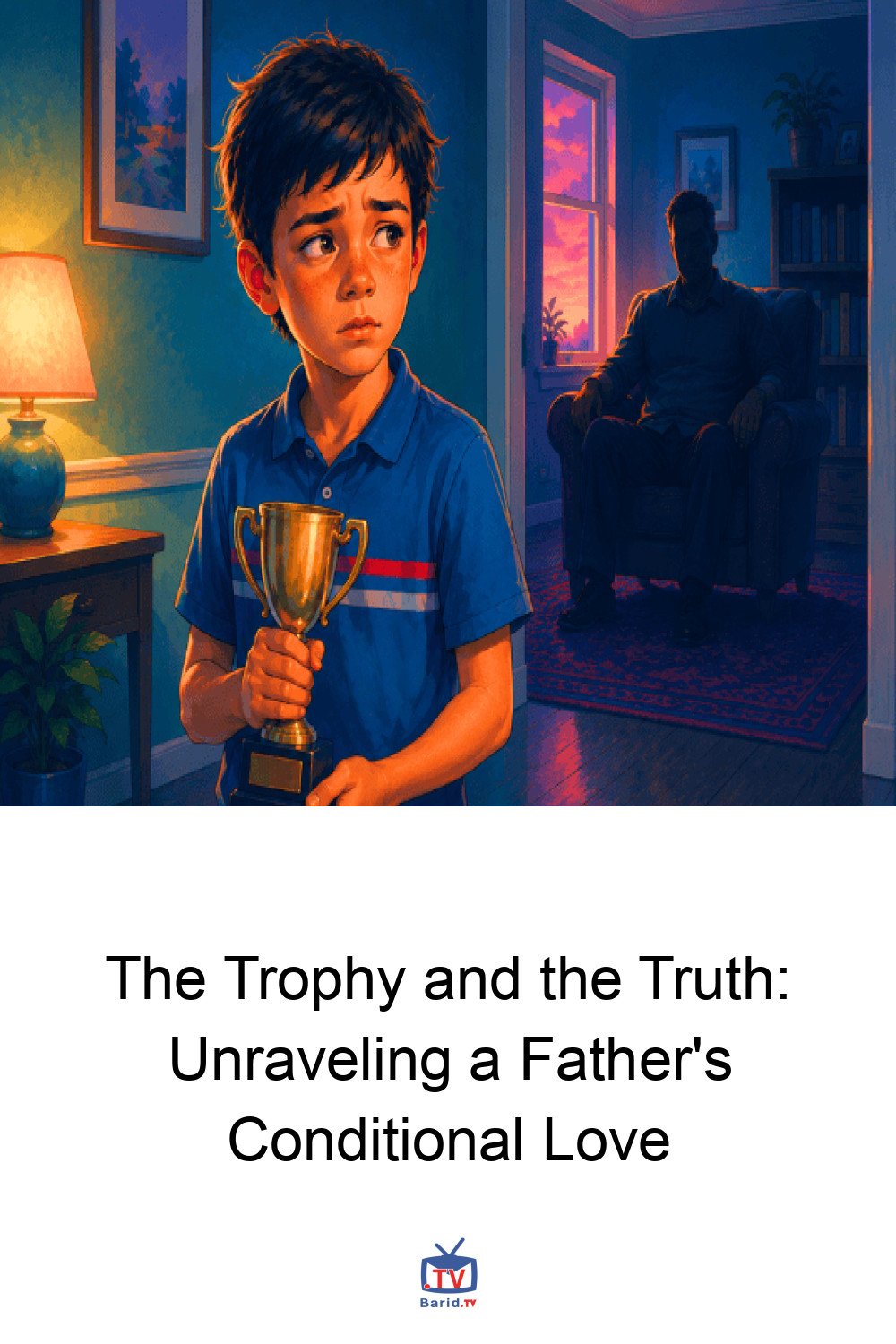
For years, a photograph adorned my living room wall: my father, beaming, handing me a tennis trophy. It was a cherished relic, a tangible symbol that, for most of my life, I believed proved his love. The image evoked a familiar rush of pride, relief, and belonging. Yet, it took decades for me to truly understand what that photograph actually represented – a truth far more complex than simple affection.
The Architect of Illusion: A Father’s Dual Nature
My father was a master of deception, a con man cloaked in charm. In public, he was charismatic, effortlessly luring strangers, friends, and even family into his schemes, extracting money for ventures that never materialized. Behind closed doors, however, his charm curdled into something terrifying. He was vindictive, violent, and utterly unpredictable – a man capable of brutalizing his children upstairs, only to smooth his hair and rejoin a party downstairs, a wide grin masking his recent cruelty.
My siblings and I each forged our own paths to survival. My older brother met his aggression with defiance. My younger sister retreated into a world of quiet sweetness. I, however, became the ‘good child,’ learning early that achievement could offer a fragile shield against his wrath. Good grades, gleaming trophies, unwavering obedience – these became my armor. They didn’t guarantee safety, but they sometimes diverted his volatile attention, making me less likely to be the target.
The Grand Bargain: A Trophy for ‘Love’
My father’s affection was a fleeting, public spectacle. It materialized almost exclusively when an audience was present, transforming him into the quintessential proud, loving parent. He would call me over, embrace me, praise me, displaying me like a prized possession. Even as a child, I sensed the performance, the hollowness beneath the surface. But when you are starving for connection, you don’t critique the meal; you simply consume it.
I was eight when I played in a tennis tournament, securing second place. As I stood on stage, awaiting my trophy, the announcer called my mother forward. Then, in a swift, decisive motion, my father intervened. He pushed my mother back into her seat, seizing the moment to present the award himself. A ripple of murmurs spread through the crowd; people saw his blatant disregard. But he didn’t care. He bounded onto the stage, radiating theatrical pride and love, and in that instant, everything else vanished. The violence, the fear, his recent slight against my mother – all forgotten. All I felt was chosen, important, loved. Receiving that trophy from him, in front of everyone, made me feel whole in a way I rarely did in his presence.
The Price of Conditional Affection
Even then, a child’s innate wisdom whispered the truth: his love was conditional. I wasn’t loved for who I was, but for what I did, for how my achievements reflected upon him. Yet, the feeling of being seen, however fleeting and manufactured, was overwhelmingly powerful. Without words, I struck what I now recognize as the grand bargain of my childhood: I will keep achieving, and in return, you will keep loving me. It felt harsh, perhaps, but fair in my young mind.
The Photograph’s Unveiling: From Proof to Pain
That photograph perfectly encapsulated my childhood bargain. For years, it was my emotional flotation device. Whenever feelings of unworthiness, shame, or abandonment threatened to overwhelm me, I would gaze at that image and reassure myself:
There. That was real. Whatever else he was, whatever else he did, that was love.
Children from conditional homes become adept architects, building cathedrals of meaning from mere crumbs – a warm glance, a public commendation, a fleeting hug, a single photograph. We cling to these scraps, imbuing them with profound significance, because if they don’t signify love, then what exactly were we striving for?
As I matured, the photograph didn’t lose its power, but its meaning transformed under my evolving gaze. Or perhaps, I changed, and the image could no longer conceal the truths it had always held. I began to perceive the entire scene: my father’s desperate hunger for validation, my mother’s quiet humiliation, and my own face, not glowing with security, but with raw relief. This was the hardest truth to confront: what I had once called love was, in part, the profound relief of not being ignored, threatened, or forced to witness someone else’s suffering for one shining public moment. What I had treasured as proof of love was, in essence, proof of a child’s desperate hunger.
Echoes in Adulthood: Redefining Love
With this clarity, I could finally articulate the true bargain my father had offered. It wasn’t my success for his affection; it was:
Make me look good, and I will pretend to love you. This realization didn’t remain confined to my childhood memories. It permeated my adult life, illuminating patterns I had unconsciously repeated. I saw how often I had chased that fleeting feeling the photograph once gave me, how frequently I had mistaken approval for genuine intimacy, and how I was drawn to relationships where warmth had to be relentlessly earned. I confused admiration with love, being useful with being valued, and scraps with sustenance. This deeply ingrained pattern felt normal, and that, perhaps, is one of the cruelest things about childhood conditioning: it makes the abnormal feel normal.
The journey to unlearn these lessons is arduous, but essential. It is about understanding that true love is not a prize to be earned, but a gift to be freely given and received, a foundation built on unconditional acceptance, not performance.
For more details, visit our website.
Source: Link