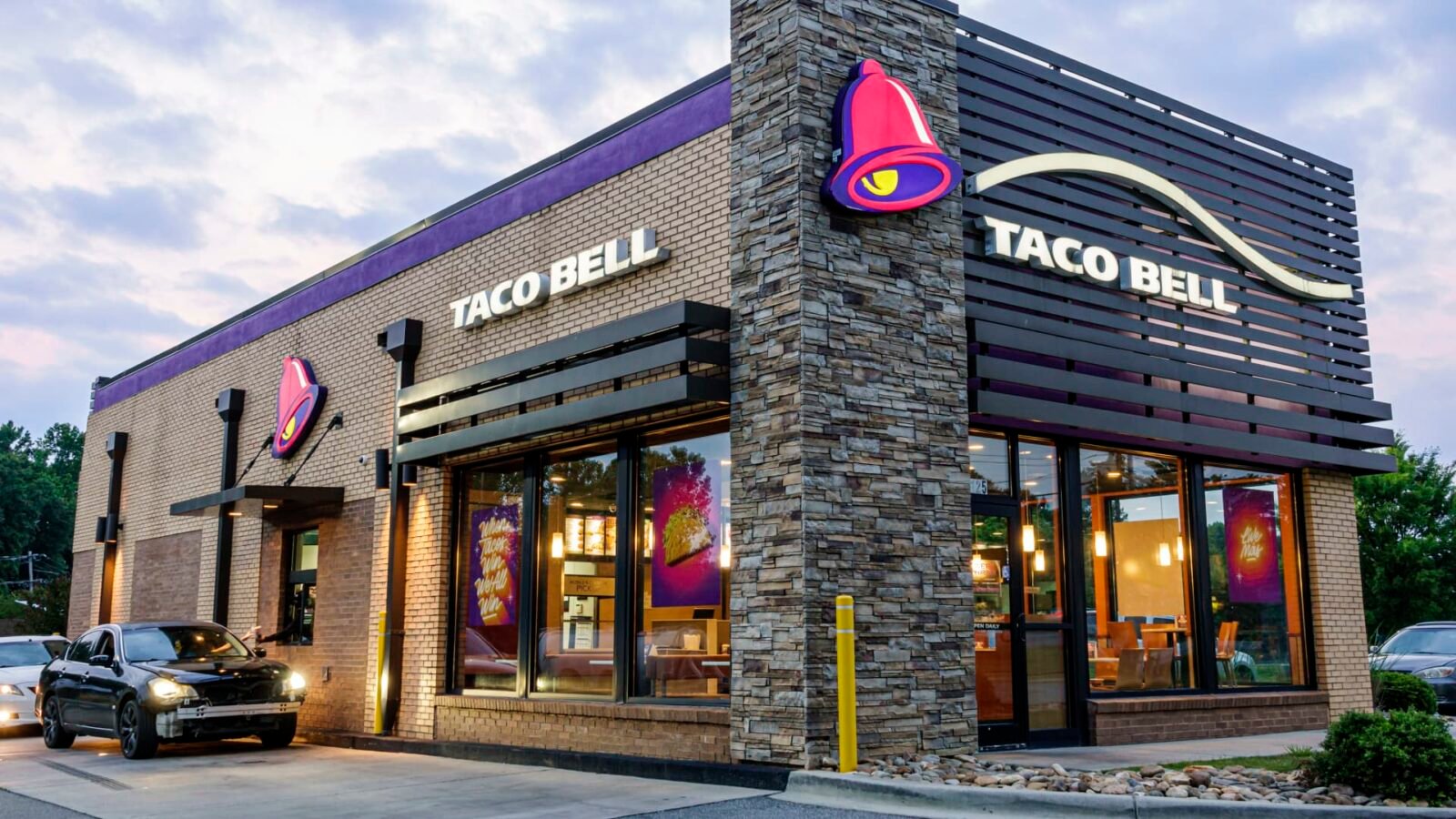

Yum Brands, the parent company of fast-food giants Taco Bell, KFC, and Pizza Hut, recently unveiled its second-quarter financial results, painting a picture of robust growth that, paradoxically, stands in stark contrast to an unaddressed public health crisis. While the company reported impressive figures for the quarter ending June 30, a looming cyclospora outbreak tied to its star performer, Taco Bell, remains conspicuously absent from official commentary, leaving investors and consumers alike with unanswered questions.
The Cyclospora Shadow: A Crisis Unaddressed
Since mid-July, when the Food and Drug Administration (FDA) first linked a parasitic cyclospora outbreak to iceberg lettuce served at Taco Bell locations, the chain has seen a significant downturn. Data from Placer.ai indicates that daily traffic to Taco Bell restaurants has plummeted by double-digit percentages. This is a critical blow for Yum Brands, which has long relied on Taco Bell as a primary “growth engine.” The ongoing crisis threatens to derail this vital role, at least in the immediate future.
The silence from Yum Brands on the outbreak’s impact is particularly notable. The reported Q2 results predate the public revelation of the foodborne illness link. However, the company’s executives are widely expected to face pointed questions regarding the sales downturn at Taco Bell and its potential ripple effects on future earnings during their upcoming conference call. This situation is further complicated by the fact that Yum Brands typically refrains from providing forward-looking guidance on same-store sales growth or earnings per share.
The ripple effect of food safety concerns isn’t isolated to Taco Bell. Other restaurant chains, despite not being implicated in the cyclospora outbreak, have also felt the pinch. Chipotle Mexican Grill, for instance, reported that a broader consumer mistrust of chains serving fresh lettuce contributed to a slip in their sales during the latter half of July, underscoring the industry-wide sensitivity to such incidents.
A Glimpse at Q2 Financials: Pre-Outbreak Strength
Before the cyclospora news broke, Yum Brands demonstrated considerable financial strength in its second quarter. The company largely met or exceeded Wall Street expectations, according to an LSEG analyst survey:
- Adjusted Earnings Per Share: $1.62 (vs. $1.58 expected)
- Revenue
:
$2.17 billion (vs. $2.2 billion expected)
Net income saw a substantial year-over-year increase, climbing to $853 million, or $3.08 per share, from $374 million, or $1.33 per share, in the prior year. Excluding specific charges, including those related to a strategic review of Pizza Hut, the adjusted earnings per share stood at $1.62.
Net revenue surged by 12% to $2.17 billion, a boost attributed in part to new restaurant openings. Global same-store sales experienced a respectable 3% rise for the quarter, aligning closely with StreetAccount’s estimate of 2.9% growth.
Brand-Specific Performance: A Mixed Bag
Diving deeper into the individual brands reveals a varied landscape:
- Taco Bell: A Growth Engine Under Threat
Prior to the outbreak, Taco Bell continued its impressive run, posting a robust 7% jump in same-store sales. The Mexican-inspired chain has consistently been the standout performer within Yum Brands’ diverse portfolio, making the current crisis particularly challenging. - KFC: Steady Global Expansion
KFC reported a solid 2% growth in same-store sales. Its largest market, China, saw system sales increase by 6%, signaling continued strength in key international territories. - Pizza Hut: Strategic Restructuring
In contrast, Pizza Hut’s same-store sales dipped by 1%. This dip comes on the heels of Yum Brands’ recent announcement to sell the long-struggling pizza chain to private equity firm LongRange Capital and Yum China for a reported $2.7 billion, indicating a strategic shift away from the brand.
The Road Ahead: Navigating Uncertainty
As Yum Brands prepares to address stakeholders, the focus will undoubtedly shift from past successes to future challenges. The cyclospora outbreak at Taco Bell presents a significant test for the company, demanding transparent communication and effective crisis management to restore consumer confidence and safeguard its crucial “growth engine.” The coming weeks will reveal how Yum Brands plans to navigate this complex intersection of financial performance and public health responsibility.
For more details, visit our website.
Source: Link