

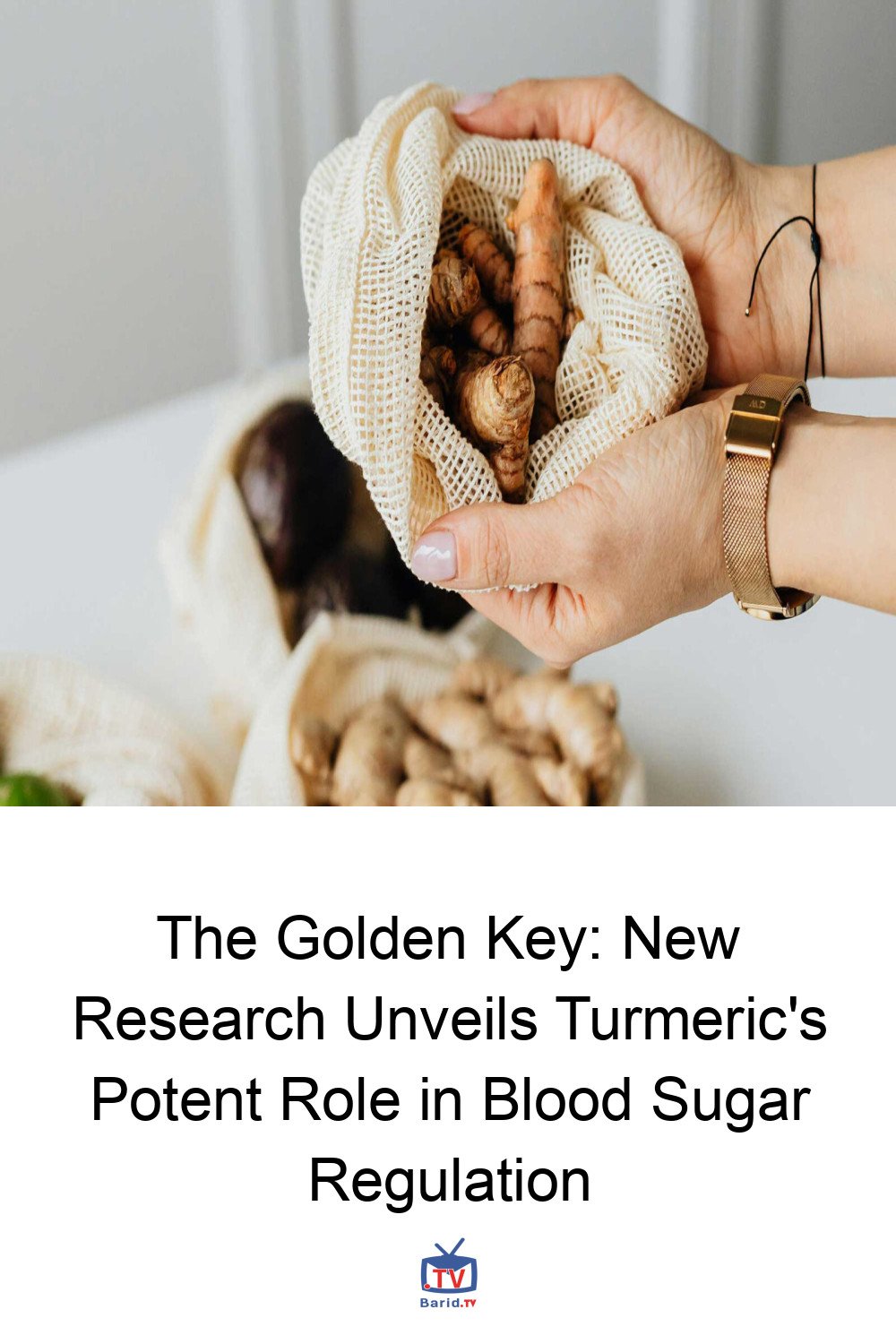
Spices are more than just flavor enhancers; they are concentrated powerhouses of beneficial plant compounds, each offering unique health advantages. While ginger soothes digestion and cinnamon aids insulin sensitivity, one golden spice, turmeric, is primarily celebrated for its potent anti-inflammatory properties. However, emerging research is shedding new light on turmeric’s significant, yet often overlooked, role in maintaining healthy blood sugar levels.
A recent study delved into the efficacy of curcumin, turmeric’s primary active component, in improving elevated blood sugar. The findings suggest that this ancient spice might hold a surprising key to metabolic wellness. Here’s a closer look at what the research reveals.
The Science Behind the Spice: A Closer Look at the Study
The investigation was a randomized, double-blind, placebo-controlled trial involving 28 adults, all over the age of 60, diagnosed with either prediabetes or obesity. Prediabetes, a critical early indicator of insulin resistance, signifies blood sugar levels higher than normal but not yet reaching the threshold for type 2 diabetes. It’s a crucial warning sign that the body’s ability to effectively transport glucose from the bloodstream into cells is compromised.
Study Design and Methodology
Participants were divided into two groups: one received 80 milligrams of curcumin daily, while the other received a placebo, for a duration of 12 weeks. Researchers meticulously monitored several key health markers, including fasting blood glucose, HbA1c (a long-term measure of blood sugar control reflecting average levels over three months), body weight, cholesterol profiles, and gut bacteria composition.
Curcumin’s Impact: Promising Results for Blood Sugar Metrics
Even within the relatively short 12-week period, the group supplementing with curcumin daily demonstrated a noticeable drop in their HbA1c levels. This reduction is particularly significant as HbA1c levels typically require around three months to show changes, indicating an improvement in overall blood sugar management.
While the statistical difference between the curcumin and placebo groups as a whole wasn’t deemed overwhelmingly significant in this particular study, the researchers highlighted the clinical relevance of the observed drop. They noted that similar positive effects on HbA1c have been observed in other studies, albeit typically with much higher doses of curcumin (e.g., 1500 mg/day). This suggests that even a lower dose might contribute meaningfully to blood sugar balance.
Beyond Blood Sugar: Other Measures
Given the study’s brief duration and the modest curcumin dosage, no significant changes were noted in participants’ weight or cholesterol levels. This observation is crucial, as it implies that curcumin’s positive effect on HbA1c was likely not a secondary result of weight loss. Instead, it points towards a direct mechanism where curcumin may enhance the body’s insulin utilization and sensitivity, offering a direct pathway to improved glycemic control.
Optimizing Turmeric Supplementation for Health
Turmeric and its active compound, curcumin, are invaluable allies in both managing inflammation and supporting blood sugar balance. However, navigating the world of supplements requires careful consideration.
Finding the Right Dose
The low dose used in this study (80 mg) might not yield the desired comprehensive benefits for everyone. Conversely, excessively high doses can also have drawbacks. Current research generally suggests that a daily intake ranging from 500 milligrams to 1,000 milligrams of turmeric root extract is effective for supporting overall health.
Maximizing Bioavailability
For optimal results, particularly at the lower end of the recommended dosage range, selecting supplements that prioritize absorption is key. Look for formulations that include piperine (black pepper extract) and utilize advanced technologies like polar-nonpolar sandwiching of the turmeric extract. Such innovations can significantly enhance curcumin’s bioavailability, making it nearly six times more absorbable than conventional turmeric options.
The Takeaway: Embrace the Power of Turmeric
While turmeric’s fame largely stems from its powerful anti-inflammatory properties, its potential to aid in blood sugar regulation should not be underestimated. Incorporating turmeric, whether through dietary means or high-quality supplements, offers a holistic approach to enhancing metabolic health. Explore various ways to integrate this golden spice into your daily routine to unlock its full spectrum of benefits.
1 Source: https://www.mdpi.com/2072-6643/17/13/2164
For more details, visit our website.
Source: Link