
Global Oil Prices Fluctuate Amidst Iran-U.S. Diplomatic Dance
Global oil markets experienced a notable dip on Friday, reacting to reports that Iran has submitted a response to U.S. amendments on a draft peace agreement. This development, relayed through Pakistani mediators, injects a fragile hope into the volatile relationship between Washington and Tehran, even as significant geopolitical and legal hurdles remain.
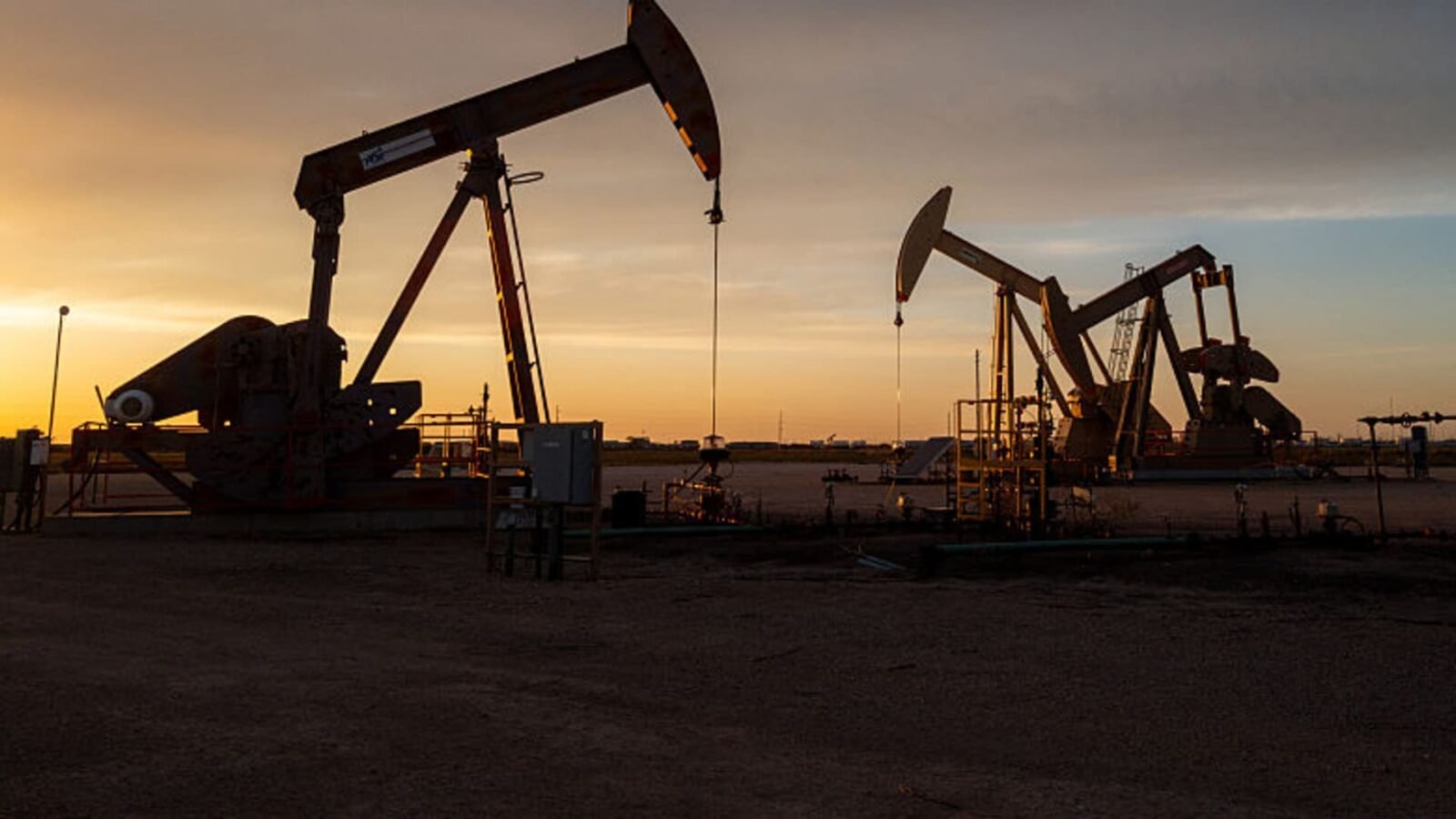
U.S. crude oil futures saw a decline of over 2%, settling at $102.45 per barrel, while the international benchmark Brent crude edged down 0.41% to $109.95. These market movements underscore the profound impact that even a glimmer of diplomatic progress can have on the global energy landscape, which has been consistently rattled by the ongoing tensions in the Middle East and restrictions in vital shipping lanes like the Strait of Hormuz.
The War Powers Resolution: A Looming Deadline for Trump
Adding a layer of complexity to the diplomatic efforts is the impending 60-day deadline faced by U.S. President Donald Trump under the War Powers Resolution. This 1973 law mandates that a president must withdraw troops within 60 days of notifying Congress of their deployment for military action, unless congressional authorization is secured. With Congress yet to grant such approval for the military actions in Iran, the clock, which started ticking on March 2 following U.S. and Israeli strikes on February 28, was set to expire on May 1.
However, the Trump administration has put forth a contentious argument: a ceasefire reached three weeks prior had effectively “terminated” hostilities. According to an administration official, the absence of direct engagement between U.S. and Iranian forces since the April 7 ceasefire agreement means the 60-day clock no longer applies. Defense Secretary Pete Hegseth first articulated this position, suggesting the ceasefire had paused the conflict, thereby circumventing the need for congressional consent.
Persistent Tensions and Strategic Standoffs
Despite the declared ceasefire and diplomatic overtures, underlying tensions remain acutely high. President Trump recently escalated threats against Tehran, reaffirming the U.S. blockade on Iran until a nuclear deal is reached. In retaliation, Tehran has steadfastly refused to reopen the critical Strait of Hormuz, a choke point for a significant portion of the world’s oil supply, unless the U.S. lifts its blockade on Iranian ports.
Further exacerbating the precarious situation are reports from Axios indicating that U.S. Central Command had devised plans for a “short and powerful” wave of strikes on Iran, intended to break the stalemate in talks. Concurrently, a senior official from Iran’s Revolutionary Guards has reportedly threatened “long and painful strikes” on U.S. positions should Washington renew its attacks, as cited by Reuters.
The current state of affairs paints a picture of a delicate balance, where diplomatic communication offers a sliver of hope, yet the specter of military escalation and unresolved political and economic grievances continues to cast a long shadow over the region and global markets.
For more details, visit our website.
Source: Link