
The AI Backlash: A Crisis Deepens for OpenAI
Just three months ago, OpenAI cofounder Greg Brockman voiced his apprehension about a burgeoning public relations crisis engulfing artificial intelligence companies. Despite the widespread adoption and popularity of tools like ChatGPT, public sentiment was shifting, with a growing segment of the population viewing AI in a negative light. Since then, the tide of skepticism has only intensified, manifesting in increasingly stark ways.
Recent events underscore the gravity of this backlash: college commencement speakers have been met with boos for espousing optimistic views on AI, and a disturbing incident saw a Molotov cocktail thrown at OpenAI CEO Sam Altman’s San Francisco residence, accompanied by a manifesto advocating for violence against AI executives. For OpenAI, a company at the vanguard of AI development, the stakes of this reputation crisis could not be higher.
Chris Lehane: OpenAI’s ‘Master of Disaster’ Steps Up
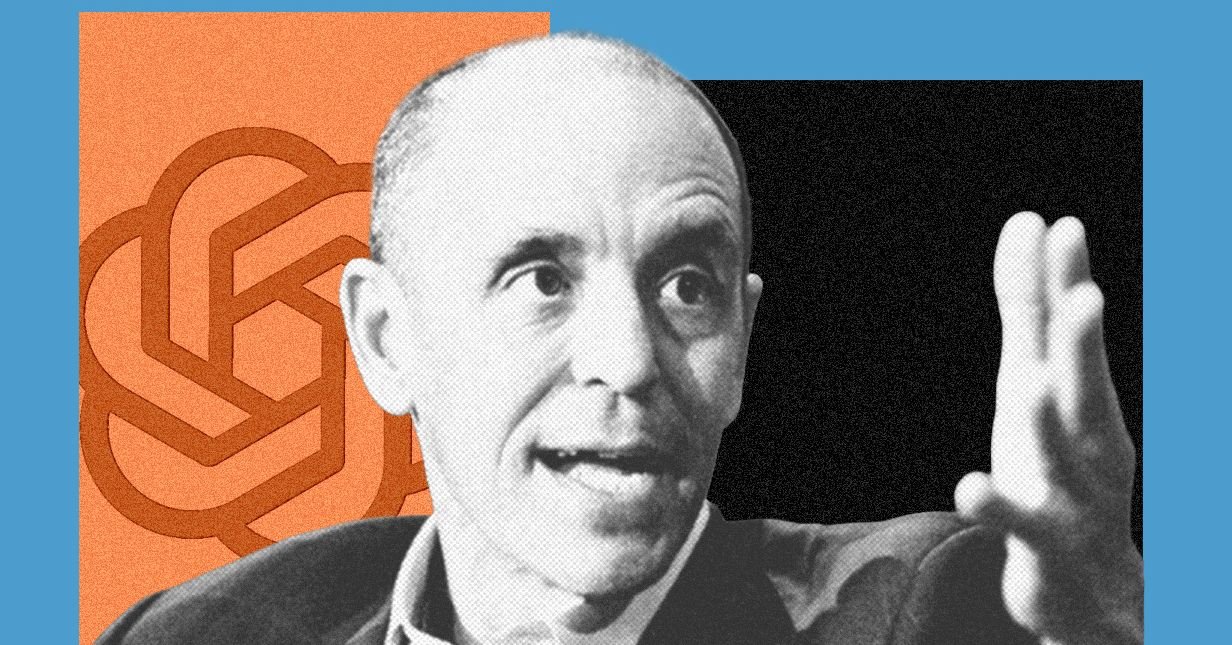
At the heart of OpenAI’s strategy to navigate this treacherous landscape is Chris Lehane, the company’s chief of global affairs and a seasoned political operative. Known for his crisis communication prowess, a skill honed during his tenure in Bill Clinton’s White House—where he earned the moniker “master of disaster”—Lehane now faces perhaps his most formidable challenge yet. His mission is two-fold: to cultivate global acceptance for OpenAI’s groundbreaking technology, while simultaneously advocating for regulatory frameworks that foster growth rather than stifle it. Lehane sees these objectives not as separate, but as intrinsically linked.
“When I was in the White House, we always used to talk about how good policy equals good politics,” Lehane explains. “You have to think about both of these things moving in concert.”
A Career Forged in High-Stakes Battles
Lehane’s impressive career includes successfully guiding Airbnb through regulatory challenges in cities grappling with the novel concept of short-term home rentals, a situation he aptly described as being “ahead of the law.” He was also instrumental in establishing Fairshake, a powerful crypto industry super PAC, aimed at legitimizing digital currencies in Washington. Since joining OpenAI in 2024, Lehane has rapidly ascended to become one of its most influential executives, now overseeing both communications and policy teams.
Beyond the Binary: Crafting a Calibrated AI Narrative
Lehane contends that public discourse surrounding AI’s societal impact is often “artificially binary.” He dismisses the extremes: on one side, a utopian “Bob Ross view” where work is obsolete and everyone paints watercolors by the beach; on the other, a dystopian future where a select elite controls an all-powerful AI. Neither, in his view, reflects a realistic trajectory.
OpenAI itself has contributed to this polarization. CEO Sam Altman previously warned of “whole classes of jobs” disappearing with the advent of the singularity, though he has since tempered his stance, declaring “jobs doomerism is likely long-term wrong.”
Solutions, Not Just Promises
Lehane is championing a more “calibrated” message for OpenAI, one that eschews these extremes in favor of a nuanced understanding of AI’s potential and challenges. He stresses the company’s obligation to offer tangible solutions to public anxieties, particularly concerning widespread job displacement and the potential negative effects of chatbots on children. As an example, he cites OpenAI’s recent policy proposals, which include advocating for a four-day work week, expanded healthcare access, and a tax on AI-powered labor.
“If you’re going to go out and say that there are challenges here, you also then have an obligation—particularly if you’re building this stuff—to actually come up with the ideas to solve those things,” Lehane asserts.
Navigating Dissent and Political Pressure
Despite these efforts, OpenAI has faced criticism, with some former employees alleging the company downplayed AI’s potential downsides. WIRED reported that members of OpenAI’s economic research unit resigned over concerns that it was becoming an advocacy arm, arguing their warnings about AI’s economic impacts, though inconvenient, were grounded in research.
The Super PAC Strategy: A Double-Edged Sword
As public skepticism mounts, politicians are under increasing pressure to regulate tech giants. In response, the AI industry has mobilized a new wave of super PACs to support pro-AI candidates and shape public opinion. This strategy, however, has not been without its critics, with some candidates actively campaigning against the very super PACs opposing them.
Lehane played a pivotal role in establishing Leading the Future, one of the largest pro-AI super PACs, launched last summer with over $100 million in commitments from tech leaders, including Brockman. The group has notably opposed Alex Bores, author of New York’s stringent AI safety law, who is running for Congress. Brockman previously stated his personal donations to Leading the Future and other PACs were driven by OpenAI’s mission to ensure AGI benefits all humanity, believing such funding could help elect like-minded, pro-AI candidates.
For more details, visit our website.
Source: Link