
Global oil markets are once again on edge, with crude prices resuming their upward trajectory after a brief respite. The renewed rally is largely attributed to escalating geopolitical tensions surrounding Iran’s nuclear program and its implications for an already strained global energy supply. Reports indicating Iran’s Supreme Leader, Ayatollah Mojtaba Khamenei, has issued a directive to retain near-weapons-grade uranium within the country have cast a shadow over ongoing peace deal negotiations, fueling fears of prolonged supply disruptions.
Geopolitical Tensions Drive Oil Prices Higher
After three consecutive sessions of decline, oil futures surged on Friday as investors grappled with conflicting signals regarding a potential peace deal with Iran. While initial statements from the U.S. had hinted at an imminent breakthrough, the reported hardline stance from Tehran — insisting on keeping its enriched uranium domestically — has introduced significant uncertainty. This development suggests a potentially extended period of conflict or diplomatic deadlock, which could keep vital oil supplies off the market for longer than anticipated.
Market Snapshot: Brent and WTI React
The impact was immediately felt in early Asia trading. July futures for the international benchmark, Brent crude, climbed by 1.9% to reach $104.52 a barrel. Simultaneously, U.S. West Texas Intermediate (WTI) futures for June delivery advanced by 1.5% to $97.81 per barrel, reflecting broad market apprehension.
Iran’s Uranium Stance: A Sticking Point
Reuters, citing Iranian sources, reported that Supreme Leader Ayatollah Mojtaba Khamenei has directed that the country’s near-weapons-grade uranium should not be transferred abroad. This directive comes despite earlier indications from U.S. President Donald Trump that Washington was in the “final stages” of negotiations with Iran. The divergence in reported positions underscores the deep complexities and potential pitfalls in reaching a comprehensive agreement, directly impacting global energy security.
IEA Warns of ‘Red Zone’ for Oil Markets
The specter of dwindling oil supplies continues to loom large. The International Energy Agency (IEA) has issued a stark warning, cautioning that global oil markets could soon enter a “red zone” as summer travel demand intensifies and global stocks deplete. IEA Executive Director Fatih Birol emphasized that the most crucial solution to the energy shock, exacerbated by the ongoing conflict, would be the “full and unconditional reopening” of the Strait of Hormuz.
The Critical Role of the Strait of Hormuz
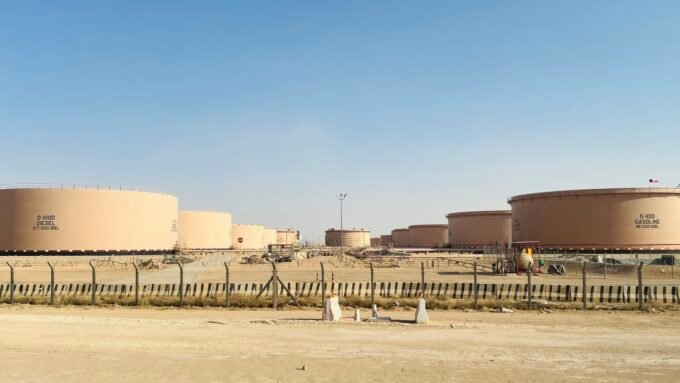
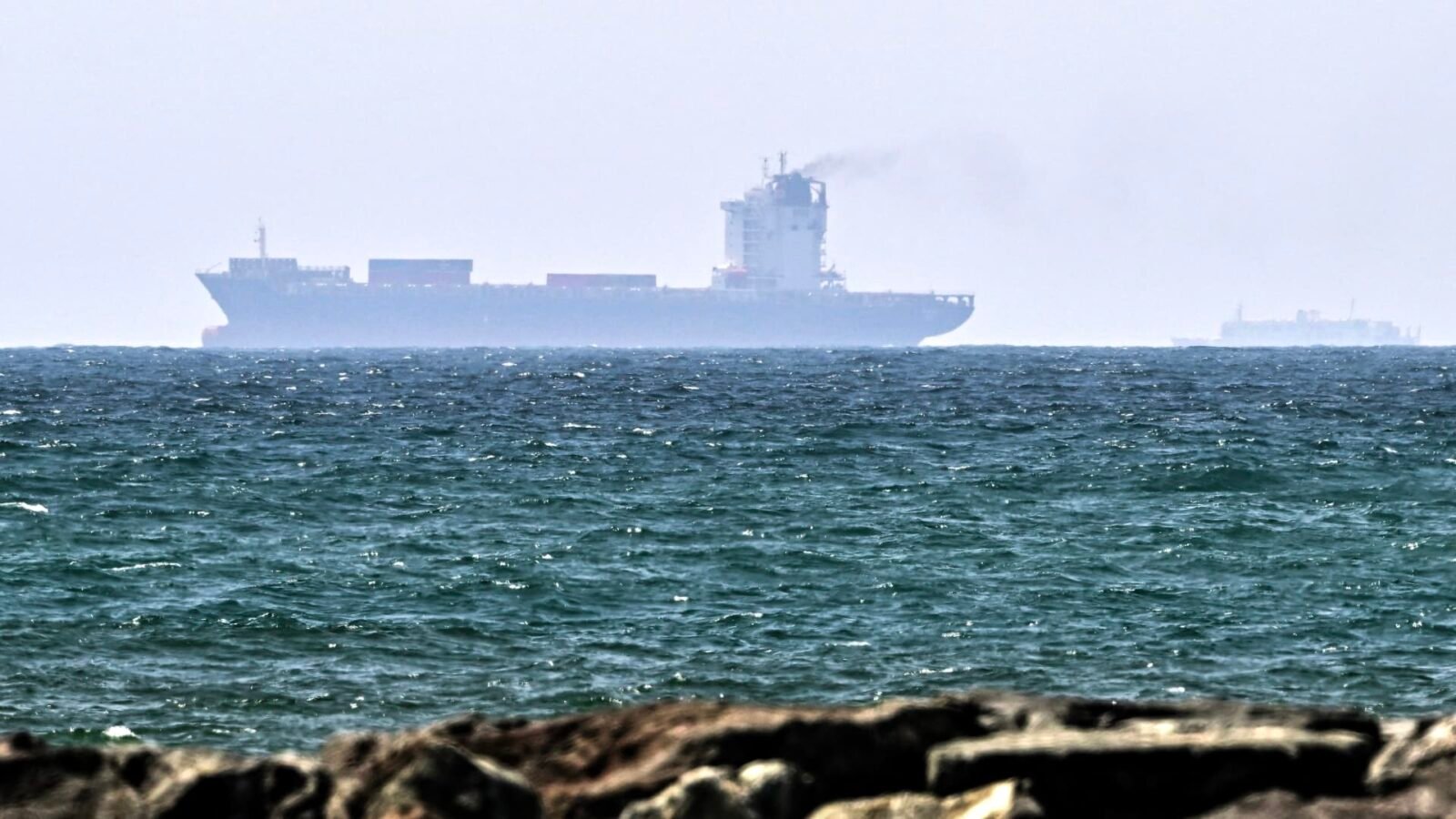
The Strait of Hormuz, a vital maritime chokepoint, historically facilitates the passage of approximately one-fifth of the world’s oil and liquefied natural gas. Since the conflict began in late February, traffic through this crucial waterway has been significantly disrupted, contributing to global supply anxieties. Birol highlighted that developing Asian and African nations are likely to bear the “biggest pain of this crisis” due to their vulnerability to energy price volatility.
Long-Term Supply Normalization Remains Distant
Adding to the grim outlook, energy executives have warned that a full normalization of Middle East oil supply might not materialize until 2027. This extended timeline, as noted in a recent report by MUFG, is attributed to the sheer scale of disruptions caused by the ongoing conflict. The protracted nature of these challenges underscores the profound and lasting impact on the global energy landscape.
As diplomatic efforts falter and geopolitical tensions persist, the global oil market remains highly sensitive to developments in the Middle East. The interplay between Iran’s nuclear ambitions and international energy security will continue to dictate price movements and supply stability for the foreseeable future.
For more details, visit our website.
Source: Link