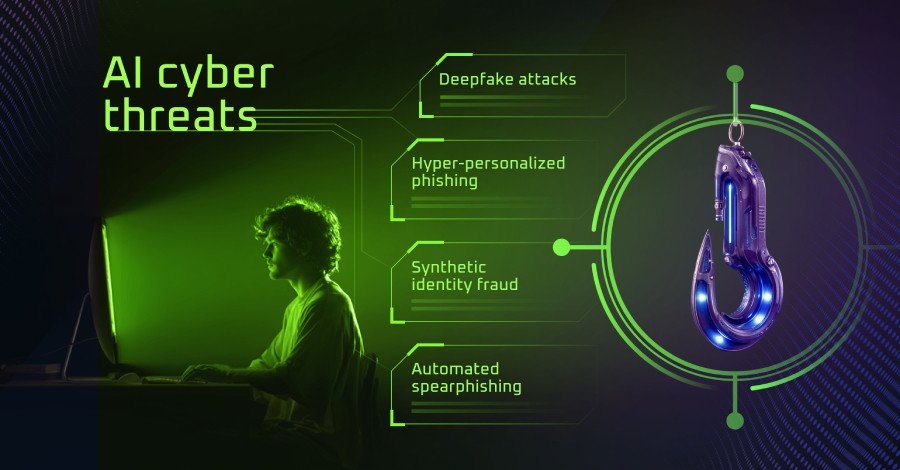

Phishing, once a game of numbers, has been transformed into a relentless volume machine by the advent of Artificial Intelligence. Attackers now wield AI to craft incredibly convincing emails, sophisticated fake login pages, and highly personalized lures in mere minutes. Each meticulously designed message adds another burden to Security Operations Center (SOC) Tier 1 teams, demanding meticulous review, link inspection, and an alert that simply cannot be dismissed with a quick glance. As the alert queue swells, critical threats like credential theft attempts or malware delivery can easily become lost amidst a sea of routine checks. SOC leaders face an urgent imperative: equip their teams to cut through this unprecedented noise faster and pinpoint the alerts that truly signal a serious incident.
The AI-Driven Deluge: Why Tier 1 Teams Are Struggling
AI empowers attackers to launch more persuasive campaigns, rapidly diversify their messaging, and swiftly rotate their infrastructure. For beleaguered Tier 1 teams, this translates directly into a significant challenge: fewer alerts can be quickly dismissed, demanding deeper investigation for almost every incoming case.
The Shifting Landscape: AI’s Impact on SOC Triage
- More Lure Variations: Campaigns that once looked identical now present endless permutations. This means more alerts require painstaking manual review, as patterns are harder to discern.
- Enhanced Impersonation:
AI-generated emails mimic routine HR, finance, or IT requests with alarming accuracy. Analysts spend more time verifying context, as suspicious indicators are subtly hidden.
- Personalized Messages: Lures are now tailored with specific public company or employee details, making them far more convincing and likely to bypass initial visual checks.
- Ephemeral Domains:
URLs often boast little to no reputation history, leading security tools to return an ambiguous “unknown” verdict instead of a clear threat assessment. This creates more uncertain cases, where Tier 1 lacks definitive evidence to confidently close alerts.
The cumulative effect is profound: Tier 1 analysts are forced to dedicate more time to each individual alert, and a growing number of ambiguous cases are escalated to Tier 2 for further, time-consuming review. As the backlog inevitably grows, genuinely critical threats risk languishing in the queue, delaying response times and dramatically increasing the potential for a costly security breach.
Reclaiming Control: Streamlining Phishing Triage at Scale
Simply adding more manual checks is a futile exercise in the face of escalating AI-powered phishing volumes. When the floodgates open, Tier 1 teams require a strategic approach to investigate a higher volume of alerts without getting bogged down in repetitive tasks or indiscriminately pushing every unclear case to senior analysts. The solution lies in a smarter, faster workflow that integrates automated checks, behavior-based visibility, and actionable, ready-made reports. This empowers Tier 1 with the concrete evidence needed to reach a clear verdict swiftly, ensuring that Tier 2 intervention is reserved only for cases that genuinely demand deeper, specialized investigation.
1. Unveiling the Unseen: Full Behavior Visibility in Under 60 Seconds
AI’s ability to generate polished lures and new variations outpaces traditional reputation checks. Even when a message appears convincing and its URL lacks a known history, Tier 1 still needs an immediate, definitive way to understand what unfolds post-click. Solutions like ANY.RUN’s Interactive Sandbox provide this critical insight. Teams can safely open suspicious links within a real browser environment, interact freely with the page, and trace the entire attack chain from start to finish – all without exposing company devices or infrastructure to risk.
Consider a recent real-world example: A seemingly innocuous LinkedIn Drive link, when analyzed in the ANY.RUN sandbox, quickly revealed a sophisticated fake Microsoft 365 login page designed for credential harvesting. Hosted on AWS CloudFront and cleverly filtering out free email domains to evade detection, the full attack chain was comprehensively exposed in less than 60 seconds. This evidence-driven approach to phishing analysis can dramatically cut Tier 1 overload, leading to up to 3x faster triage and a remarkable 30% reduction in escalations.
Transforming the Tier 1 Workflow:
- Expose Hidden Threats: Redirects, stealthy hidden pages, and credential-harvesting forms are all revealed in a single, comprehensive session.
- Accelerate Verdicts on New URLs: Even links with no prior reputation can be quickly assessed by observing their post-click behavior.
- Minimize Unresolved Threat Time: Credential theft attempts and malicious downloads are confirmed rapidly, preventing them from being buried in the alert queue.
- Evidence-Based Decisions: Tier 1 analysts gain a complete view of the attack chain, enabling confident decisions on whether to close or escalate a case.
2. Automating Beyond the Basics: Processing More Alerts, Smarter
Traditional automation often falls short, missing phishing pages that only appear after a redirect, a CAPTCHA challenge, or a specific user interaction. While it might handle basic checks, it frequently leaves Tier 1 teams with incomplete results and a continued need for manual investigation. ANY.RUN addresses this gap by seamlessly blending automation with interactivity.
Once activated, the sandbox automatically opens suspicious links in an isolated browser, intelligently navigates through pages, solves CAPTCHAs, and triggers hidden steps within the phishing chain – mirroring the actions of a skilled analyst during a manual investigation. Crucially, team members retain the ability to intervene at any point, taking control when a case demands a closer, human-driven look. This hybrid approach empowers SOCs to effectively manage higher alert volumes without placing undue pressure on their teams:
- Eliminate Repetitive Steps: The sandbox autonomously navigates pages, resolves CAPTCHAs, and uncovers hidden content.
- Boost Tier 1 Capacity: The same team can efficiently process a significantly greater number of AI phishing alerts during each shift.
- Absorb Spikes with Confidence: The system can absorb sudden surges in alert volume without immediately requiring additional human resources.
For more details, visit our website.
Source: Link