
“Shame is the intensely painful feeling or experience of believing that we are flawed and therefore unworthy of love and belonging.” — Brené Brown
For years, I lived under the shadow of a label I gave myself: “a beetroot.” It was a cruel moniker, whispered by an relentless inner critic every time a wave of heat washed over my cheeks. This wasn’t just ordinary shyness; it was erythrophobia, an intense and debilitating fear of blushing that quietly, yet profoundly, reshaped my world. While most people experience a fleeting flush before a first date or a public address, for me, it was a deeply personal battle, not against the blush itself, but against the crushing meaning I had attached to it. Each reddening of my face triggered a merciless internal monologue: “Everyone can see it. They are judging you. You are weak. You are ridiculous. You are broken.” This is the story of that struggle, and more importantly, the profound shift that eventually brought liberation. If you’ve ever found yourself retreating from life to avoid a feeling, this narrative might resonate deeply.
The Crimson Cage: Living with Erythrophobia
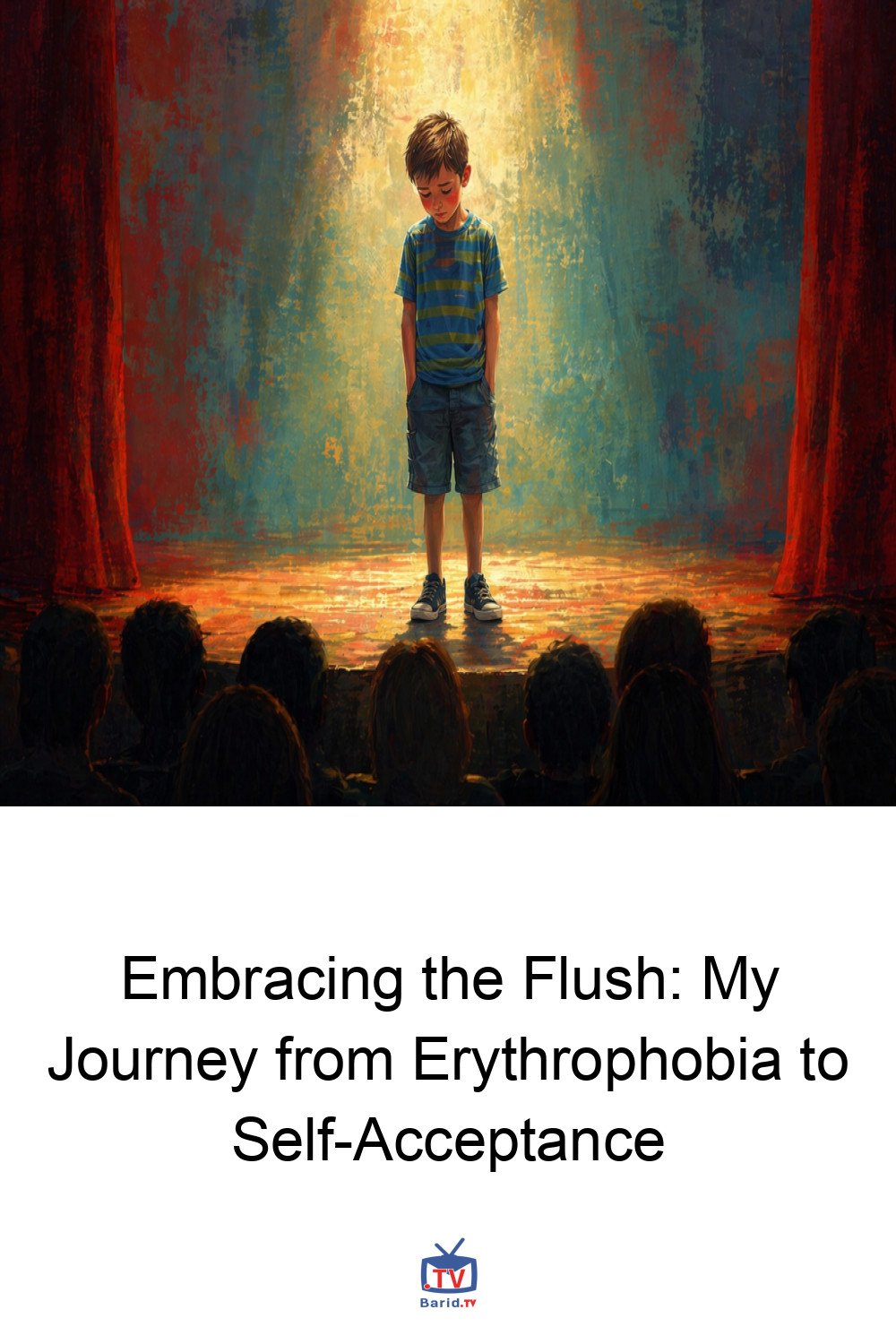
The insidious grip of this fear first took hold during a primary school assembly. Called forward unexpectedly to receive an award, I wasn’t filled with pride, but with terror. My face burned crimson, my legs trembled, and all I wished for was for the floor to swallow me whole. The ensuing shame was so overwhelming that I began to avoid school whenever another award seemed possible. Eventually, I opted for invisibility, choosing to forgo any achievement that might bring recognition. As a child, I was simply protecting myself, unknowingly trading away potential for peace.
This pattern, quiet yet relentless, shadowed me into adulthood. Job interviews became insurmountable ordeals, group meetings at work felt like navigating a minefield. I shied away from new connections, struggled to maintain employment, and eventually found myself in profound isolation, with almost no close friends. The loneliness was a heavy, constant companion. I was trapped in a vicious cycle: the fear of blushing fueled anxiety, which in turn made blushing more likely, confirming my deepest insecurities. The harder I fought, the faster the wheel of self-condemnation seemed to spin.
Beyond the Surface: Unmasking the Root of Shame
For a long time, the intensity of this fear remained a mystery. I simply knew its power. I developed elaborate coping mechanisms: hiding my face, avoiding eye contact, rushing conversations to preempt the dreaded flush. After every social interaction, I’d conduct a brutal post-mortem, dissecting every moment my face had turned red. I scoured forums, researched remedies, and attempted fleeting breathing techniques, all in a desperate bid to control the uncontrollable.
It was through hypnotherapy and a period of unflinching self-reflection that the true revelation emerged: the blushing was never the core issue. The root was shame, a deeply embedded feeling with a history far predating that first assembly hall. My upbringing in a dysfunctional environment had instilled a profound sense of inadequacy. Mistakes were magnified, emotions mocked, and sensitivity treated as a weakness. Unconsciously, I had internalized these messages, developing an inner critic whose voice eerily echoed those who had made me feel unlovable and worthless. When I blushed, this critic didn’t offer a gentle observation; it snarled, “See? You are exactly as pathetic as you were always told you were.” The physiological response of blushing had become a potent symbol for everything I believed was inherently wrong with me – an immense burden for a harmless, three-second bodily reaction.
From Defect to Sensitivity: Embracing the Crimson Hue
The turning point wasn’t a dramatic epiphany, but a quiet, almost imperceptible shift born from sheer exhaustion. I remember sitting alone after yet another social event I’d fled prematurely, a profound thought crystallizing: “I cannot keep doing this. Not the blushing, but the war against it.”
Understanding the Physiology of Blushing
I began to delve into the science of the nervous system, seeking to understand the physiological reality of blushing. I learned that it’s an involuntary dilation of blood vessels in the face, a natural response to social or emotional stimulation. In a profound way, it’s a sign of attunement, a highly alert and responsive nervous system engaging with the world. Significantly, individuals with higher emotional sensitivity often blush more readily. And it is this very sensitivity that often makes them empathetic, perceptive, and deeply present in their interactions with others.
The Maple Tree Metaphor
A story I encountered resonated deeply: a monk, plagued by his easy blushing, sought counsel from his teacher, filled with shame. The teacher simply pointed to a maple tree, ablaze with crimson in the autumn sun, and remarked that the maple does not become less red by wishing it so. Its nature is to blaze before all eyes, without apology. This simple wisdom offered a profound reframe: what if my blushing wasn’t a defect to be hidden, but an intrinsic part of my sensitive nature, a vibrant signal of my engagement with life? The journey from self-condemnation to self-acceptance began, not by stopping the blush, but by ceasing the fight against it, and instead, embracing the inherent beauty of my own sensitive, responsive self.
For more details, visit our website.
Source: Link