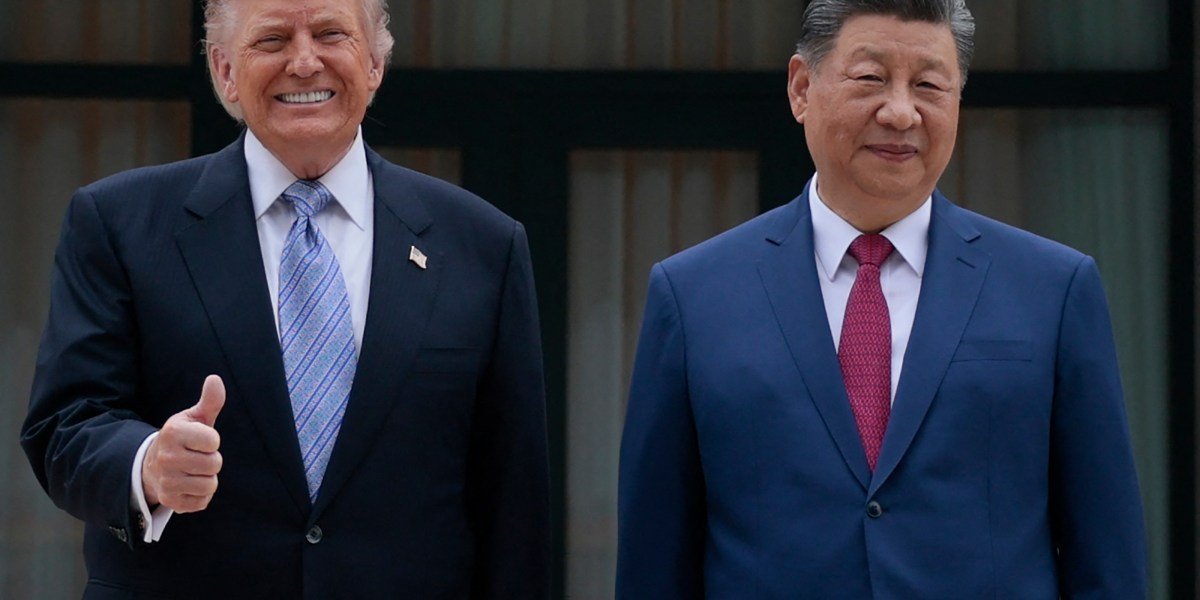

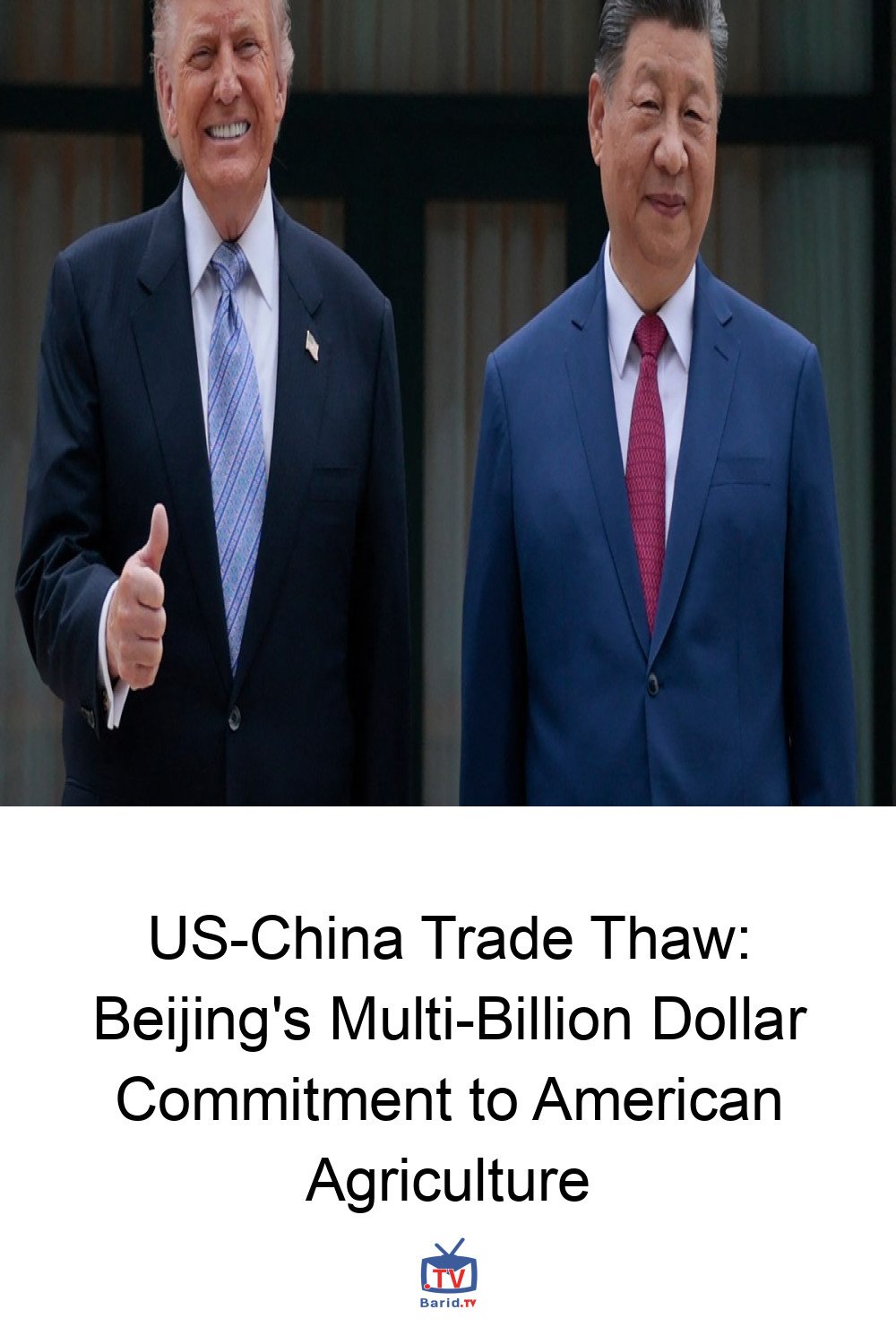
In a significant development signaling a potential easing of trade tensions, the White House announced Sunday that China has committed to a substantial increase in purchases of U.S. agricultural products. This comes just days after President Donald Trump’s return from a high-stakes summit in Beijing, where efforts were made to mitigate the impact of the trade war on American farmers.
A Landmark Agricultural Deal
The agreement outlines China’s intent to buy U.S. agricultural goods, including beef and poultry, at an annualized rate of $17 billion for 2026, and maintaining that level through 2027 and 2028. This commitment is a welcome relief for American farmers who have faced significant challenges due to the trade dispute, which saw major export markets for products like soybeans diminish.
Crucially, China will restore market access for U.S. beef and resume poultry imports from U.S. states deemed bird flu-free by the U.S. Department of Agriculture. This marks a reversal from last year, when China allowed licenses for hundreds of U.S. beef plants to expire, causing import values to plummet from a peak of $2.14 billion in 2022 to less than $500 million in 2025. Similarly, U.S. poultry exports to China, which exceeded $1 billion in 2022, had fallen to $286 million by 2025.
Reigniting Soybean Trade
Beyond beef and poultry, these new deals build upon China’s existing soybean purchase commitments. American soybean farmers, who were particularly hard-hit when China, traditionally their largest foreign buyer, halted purchases after Trump’s tariff hikes, stand to benefit significantly. The latest agreement reinforces a trade truce reached in October, where China agreed to resume buying U.S. soybeans, committing to 12 million metric tons in the current marketing year and 25 million metric tons for each of the next three years.
Navigating Non-Tariff Barriers and Broader Trade Dialogues
While specific details from Beijing were initially pending, China’s Ministry of Commerce confirmed that both sides would work towards resolving non-tariff barriers and market access issues for agricultural goods. The U.S. pledged to address China’s concerns regarding dairy products, seafood, potted bonsai exports, and the recognition of Shandong province as a bird-flu-free zone. In return, China committed to addressing U.S. concerns about beef processing facility registrations and poultry meat exports from certain states.
The summit also saw discussions on broader economic cooperation, including the establishment of separate ‘Boards of Trade and Investment‘. These bodies are intended to manage trade of ‘non-sensitive goods’ and provide a platform for discussing investment-related issues, including reciprocal tariff reductions on a ‘specific range of products’.
The Road Ahead: Challenges and Opportunities
Despite these positive steps, the broader context of global trade remains complex. American farmers are also contending with new pressures, such as the curtailment of shipping through the Strait of Hormuz due to U.S.-Israel actions against Iran, impacting global fertilizer supplies and prices. Furthermore, China, recognizing the link between food and national security, has been actively diversifying its sources for imported agricultural products, increasingly turning to countries like Brazil and Argentina over the U.S.
This multi-billion dollar commitment represents a crucial step in stabilizing the volatile U.S.-China trade relationship and offers a much-needed lifeline to American agricultural producers. However, the path to fully restored and balanced trade relations will require sustained dialogue and a continued effort to address underlying concerns from both sides.
For more details, visit our website.
Source: Link