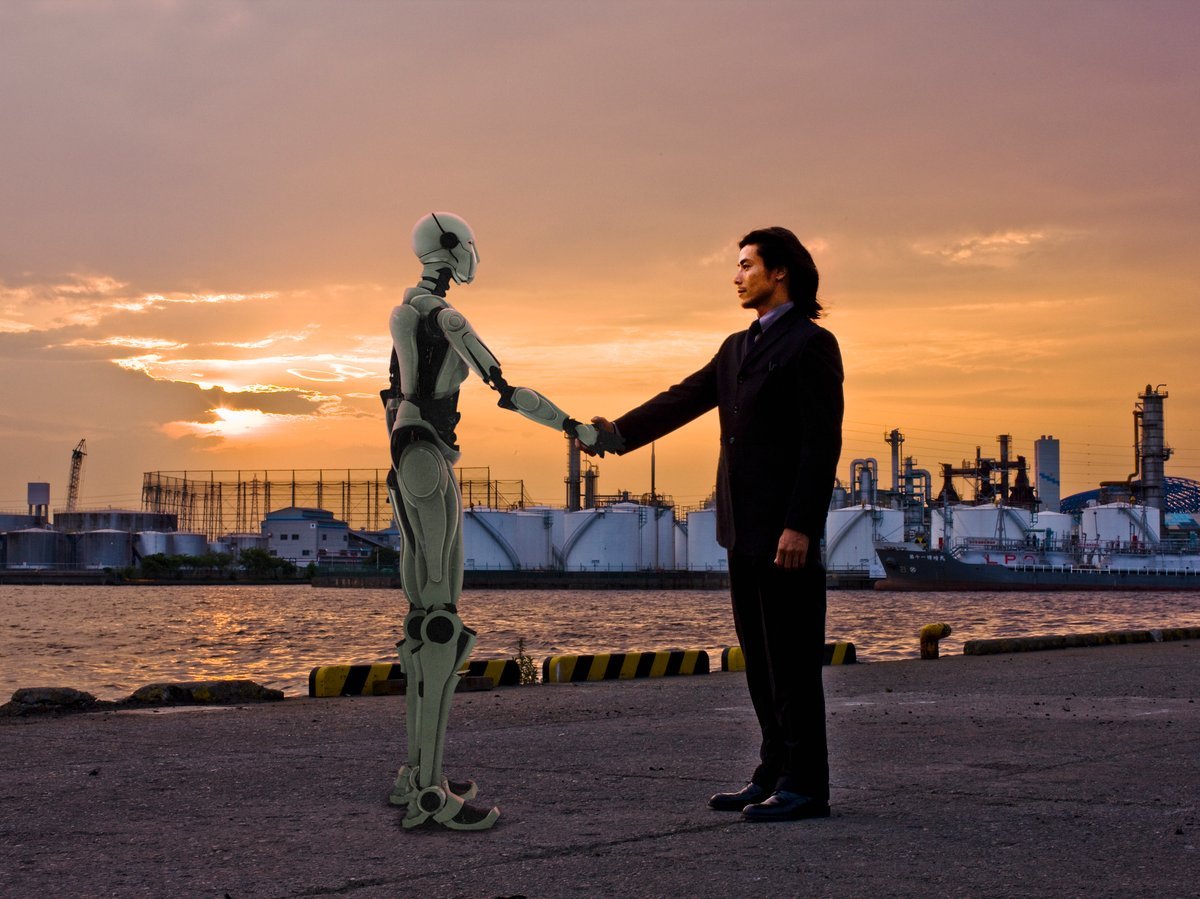

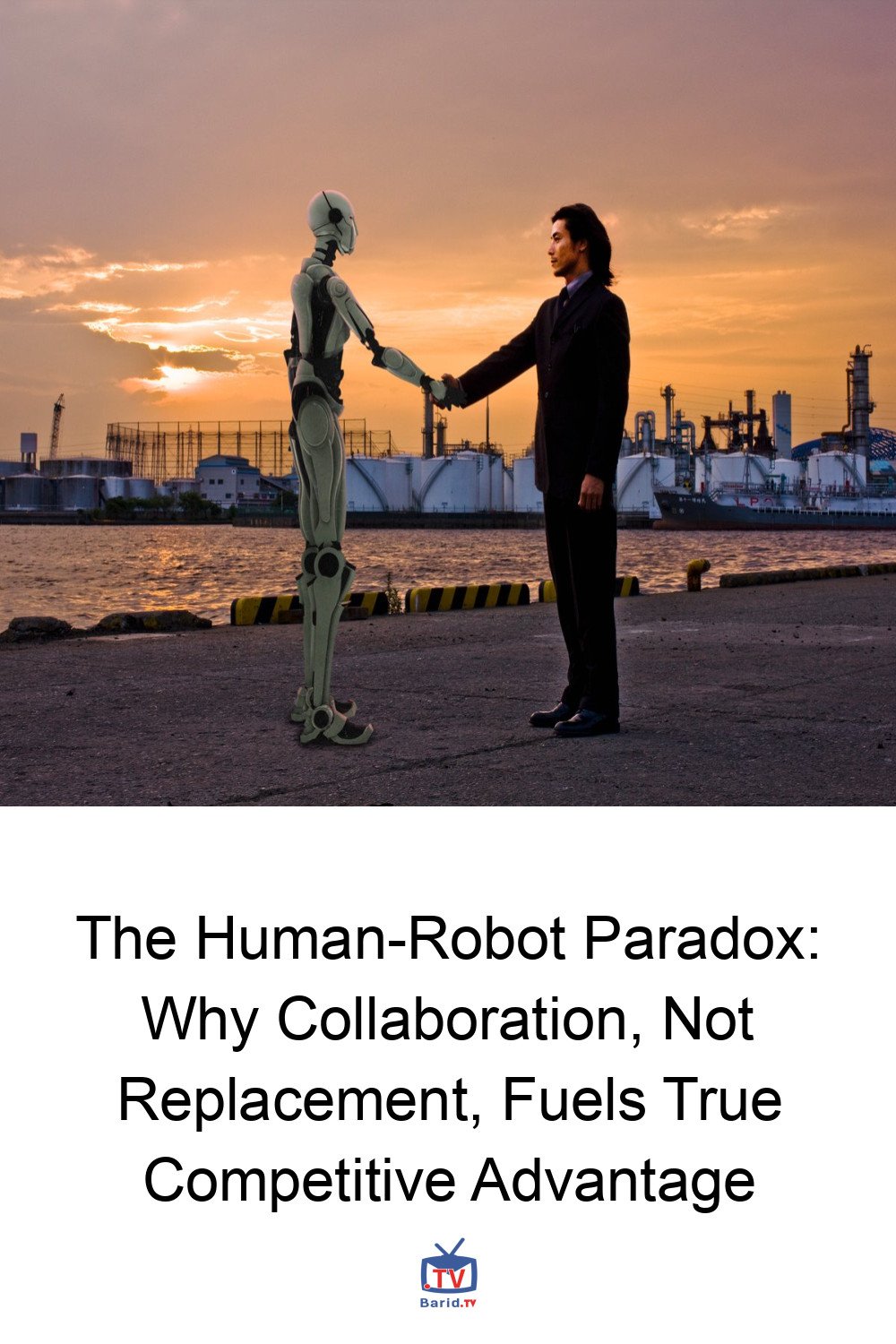
In the relentless march towards technological advancement, a growing number of U.S. companies are embracing automation with an eagerness that borders on haste. Giants like Amazon are reportedly eyeing automation for 75% of their operations, potentially displacing half a million human jobs, while auto manufacturer Hyundai is integrating thousands of new robots into its production lines. This trend signals a profound shift, as articulated by technology futurist Daniel Burrus: “Automation isn’t just efficiency‑gain anymore; it’s redefining the future role of human labor, the value of work, and how businesses compete on cost and speed.” Yet, amidst this fervent push, a critical question emerges: Is this headlong rush to replace human workers with robots a strategic masterstroke or a significant misstep?
The Peril of Pure Automation: A False Edge?
While the allure of cost reduction and increased speed is undeniable, a recent study from Binghamton University offers a sobering counter-narrative. Researchers warn that businesses risk “losing their competitive edge by leaning too heavily on replacing human workers with robots.” The logic is simple yet profound: if every competitor adopts the same robot-centric strategy, automation ceases to be a differentiator and merely becomes a baseline requirement. As Chou-Yu Tsai, co-author of the study, explains, focusing solely on replacing human roles with robots isn’t always the best strategic thinking, “because your competitors could easily do the same thing.”
Beyond Efficiency: The Cost of Lost Human Capabilities
Workplace experts echo this sentiment, highlighting the shortsightedness of automation strategies that sideline human employees. Eric Kingsley, a partner at Kingsley Szamet Employment Lawyers, emphasizes that a purely automated approach strips companies of crucial adaptive capabilities. “What companies lose in that race is their ability to adapt, their ability to think, their ability to use judgment,” Kingsley states. History, he adds, shows that systems lacking human input “ultimately suffer from a system that is not robust enough to meet their business demands.”
The Power of Partnership: A Synergistic Approach
Instead of outright replacement, the Binghamton study and leading industry voices advocate for a powerful synergy: human-robot collaboration. This model leverages the distinct strengths of both entities to create a more resilient and innovative workforce.
Humans: The Architects of Innovation and Judgment
Humans bring an irreplaceable set of skills to the workplace: judgment, ethics, creativity, and complex problem-solving. These are the qualities that allow businesses to navigate ambiguity, innovate, and respond to novel situations. As Nik Kale, principal engineer at Cisco, aptly puts it, “Real advantage comes from how human expertise shapes what automation does, which edge cases it escalates, and how the system adapts to novel situations.” Organizations that foster this collaboration embed institutional knowledge in ways that cannot be replicated by simply purchasing the same hardware.
Robots: Masters of Precision and Repetition
Robots, on the other hand, excel at tasks requiring speed, repetition, and precise data processing. They can handle monotonous, dangerous, or highly repetitive functions, freeing up human workers to focus on higher-value activities. Langley Allbirton, president at AI Communications Consulting, draws parallels from fields like surgery and advanced manufacturing: “machines deliver precision and consistency, while humans provide contextual judgment and adaptive decision-making.”
Designing for Collaboration: Where Autonomy Ends
The critical architectural question, Allbirton suggests, isn’t whether to automate, but where autonomy ends. Full replacement might suffice for “closed, repeatable tasks,” but the moment “ambiguity or consequences enter the system,” removing humans doesn’t just escalate risk; it fundamentally impairs the system’s capacity to learn and evolve. The most effective systems are “deliberately bounded,” recognizing and valuing the unique contributions of both human and machine.
Conclusion: The Future is Collaborative
The race to automate is undeniable, but the wisest companies will resist the urge for wholesale human displacement. True competitive advantage in the 21st century will not come from simply benching human employees for robots. Instead, it will emerge from intelligent integration, fostering environments where human creativity and judgment collaborate seamlessly with robotic efficiency and precision. The future of work isn’t human
versus robot; it’s human and robot, working together to achieve unprecedented levels of innovation and resilience.
For more details, visit our website.
Source: Link