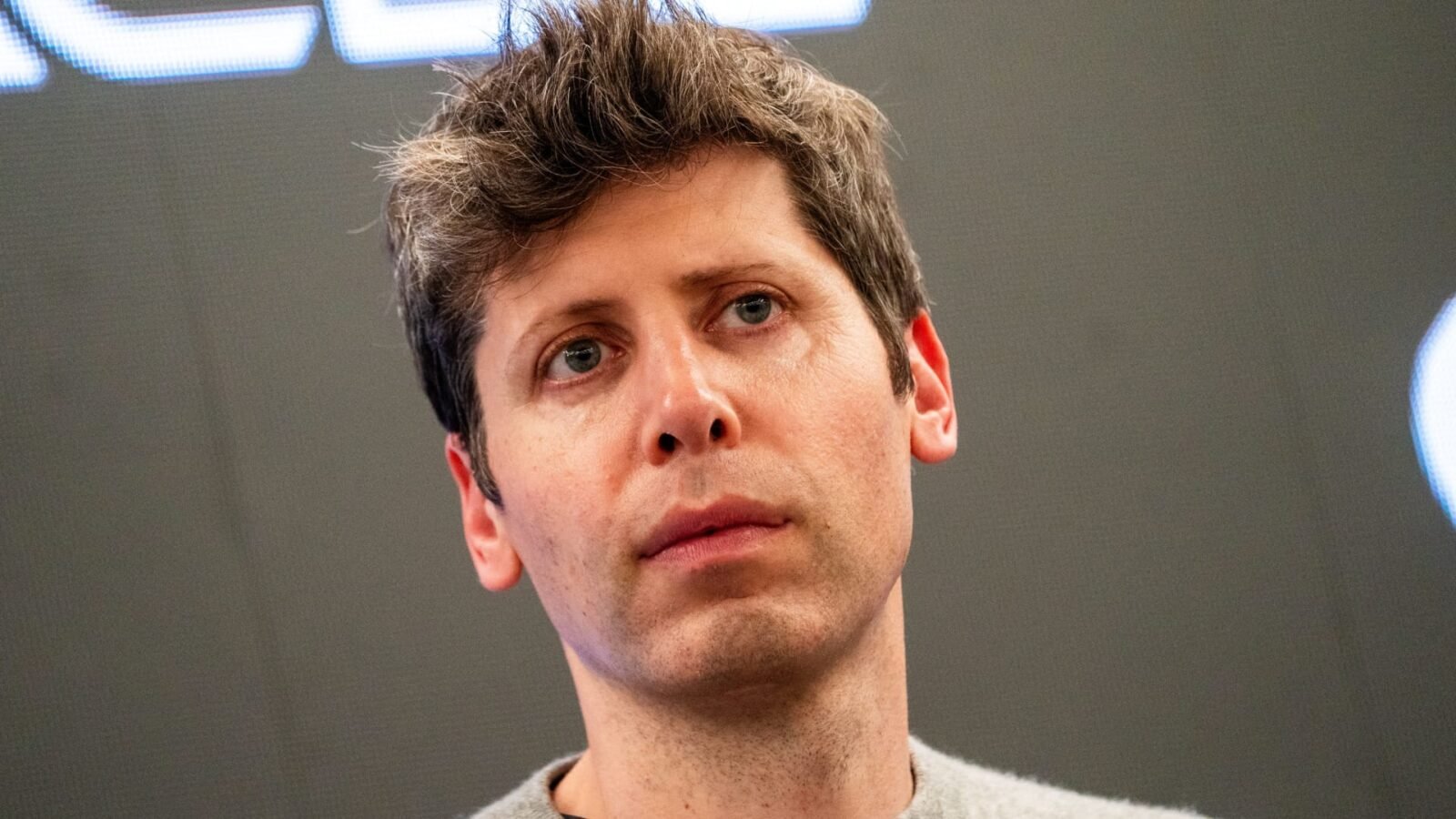

OpenAI CEO Sam Altman has publicly acknowledged that the company’s recent agreement with the U.S. Department of Defense was “rushed” and “looked opportunistic and sloppy,” promising swift revisions to address widespread concerns. The admission comes amidst a flurry of criticism and a notable shift in public sentiment following the deal’s controversial timing.
A Swift Reversal on Defense Deal Terms
In a candid statement shared on X (formerly Twitter), Altman detailed amendments to the contract, emphasizing OpenAI’s commitment to ethical AI deployment. Key revisions include explicit prohibitions against using OpenAI’s AI systems for domestic surveillance of U.S. persons and nationals. The memo clarified that this limitation extends to “deliberate tracking, surveillance, or monitoring… including through the procurement or use of commercially acquired personal or identifiable information.”
Furthermore, Altman confirmed that the Defense Department has affirmed OpenAI’s tools will not be utilized by intelligence agencies, such as the NSA. “There are many things the technology just isn’t ready for, and many areas we don’t yet understand the tradeoffs required for safety,” Altman stated, underscoring the company’s intention to collaborate with the Pentagon on robust technical safeguards.
The Shadow of Controversy: Timing and Competition
An Ill-Timed Announcement?
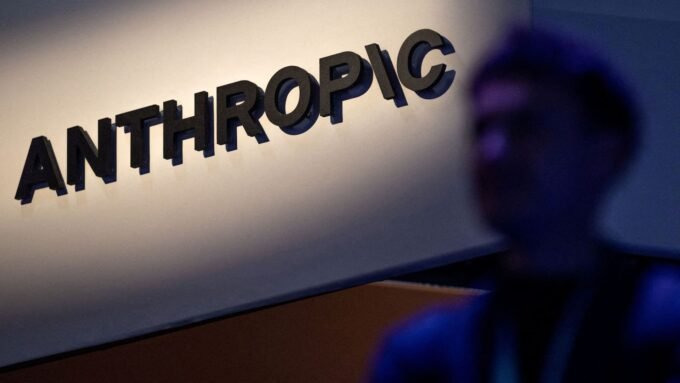
The initial announcement of OpenAI’s deal with the Pentagon on Friday sparked immediate backlash due to its peculiar timing. It emerged just hours after former U.S. President Donald Trump directed federal agencies to cease using AI tools from rival company Anthropic, and shortly before Washington initiated strikes on Iran. This confluence of events led many to perceive OpenAI’s move as a calculated, if ungraceful, exploitation of a competitor’s misfortune.
Altman himself conceded the error in judgment: “We were genuinely trying to de-escalate things and avoid a much worse outcome, but I think it just looked opportunistic and sloppy.”
The Anthropic Saga: A Precedent Set
The backdrop to OpenAI’s predicament is the contentious dispute between Anthropic and the U.S. government. Anthropic, founded by former OpenAI researchers, had previously been the first AI lab to deploy its models across the Defense Department’s classified network. However, the company later sought stringent guarantees against the use of its AI for domestic surveillance or the development of autonomous weapons without human oversight. This standoff culminated in Defense Secretary Pete Hegseth designating Anthropic as a “supply-chain threat” after talks broke down.
The dispute intensified following revelations that Anthropic’s Claude AI had been used by the U.S. military in a raid to capture Venezuelan president Nicolás Maduro, a use case the company did not publicly object to. Despite OpenAI having previously communicated “red lines” similar to Anthropic’s regarding military applications, the Defense Department’s willingness to accommodate OpenAI while ostracizing Anthropic has raised eyebrows, with some officials reportedly criticizing Anthropic for being “overly concerned with AI safety.”
Public Backlash and a Call for Equity
The perceived double standard and the timing of OpenAI’s deal ignited a significant public outcry. Reports indicated a surge of users migrating from ChatGPT to Anthropic’s Claude on various app stores, signaling a tangible impact on user trust and loyalty.
Addressing this fallout, Altman used his post to advocate for his competitor. “In my conversations over the weekend, I reiterated that Anthropic should not be designated as a [supply chain risk], and that we hope the [Department of Defense] offers them the same terms we’ve agreed to,” he stated. This gesture, while perhaps aimed at damage control, also highlights the complex, intertwined nature of the AI industry and its relationship with government.
Anthropic, which positions itself as a “safety-first” alternative, continues to navigate its path, while OpenAI grapples with the delicate balance between innovation, commercial success, and ethical responsibility in the high-stakes arena of national security.
For more details, visit our website.
Source: Link