
Recent headlines have cast a harsh spotlight on the nonprofit sector, with allegations of fraud dominating the news cycle. Yet, a closer examination reveals a nuanced picture: it might not be a surge in fraud itself, but rather a significant uptick in enforcement actions by federal authorities.
High-Profile Cases Fuel Public Concern
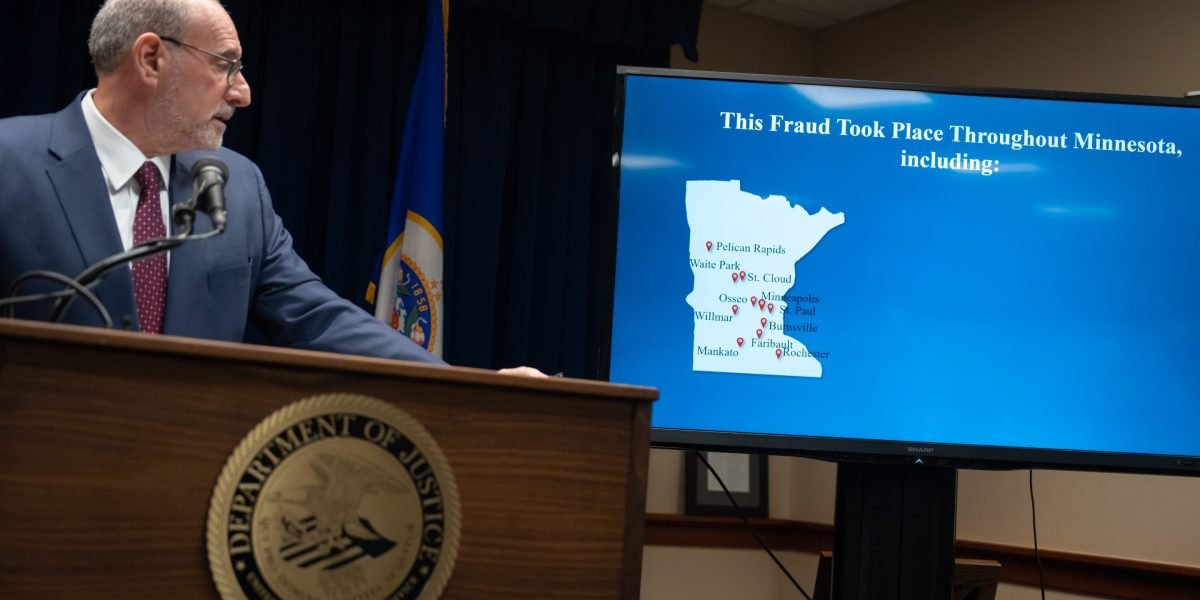
The scale of some recent alleged schemes is certainly alarming. In Minnesota, federal investigators uncovered one of the largest alleged COVID-19 pandemic fraud operations, accusing multiple nonprofits and individuals of siphoning approximately $250 million from a federally funded child nutrition program. Defendants were reportedly found guilty in 2025 of fabricating meal counts and submitting false reimbursement claims, diverting funds towards lavish homes and vehicles. Other investigations into child-serving nonprofits in the state are ongoing, underscoring a heightened vigilance.
Beyond financial malfeasance, the Department of Justice, under the Trump administration, indicted the Southern Poverty Law Center (SPLC), a prominent civil rights nonprofit, on fraud charges in April 2026 – charges the SPLC vehemently denies. This particular case has ignited debate, raising concerns about potential increased federal intervention in policing nonprofits, especially those whose advocacy might be perceived as politically contentious.
The False Claims Act: A Potent Weapon
The Department of Justice reported a record-breaking $6.8 billion in settlements and judgments in 2025 tied to the False Claims Act. Enacted in 1863, this powerful legislation empowers the government to pursue individuals or organizations that knowingly submit “false claims” – essentially, baseless requests for taxpayer funds through grants or service contracts. The IRS defines nonprofit fraud broadly, encompassing embezzlement and theft of organizational assets.
Treasury Secretary Scott Bessent, defending the Trump administration’s crackdown, articulated the rationale: “Public money and tax-exempt status demand public accountability.” He emphasized a commitment to ending “the days of hiding fraud, abuse and extremist activity behind complicated nonprofit arrangements.” As an accounting professor specializing in nonprofit fraud, I interpret these actions, including the SPLC indictment, as indicative of a broader governmental shift towards more aggressive oversight and policing of charitable activities.
Understanding the Landscape of Nonprofit Fraud
Data Gaps and Comparative Insights
Despite the strong rhetoric, concrete data on the true prevalence of nonprofit fraud, or how it compares to corporate or government agency fraud, remains elusive. The Association of Certified Fraud Examiners (ACFE) estimated in a 2024 report that companies and nonprofits collectively lose around 5% of their annual revenue to fraud. For nonprofits specifically, the typical loss from a reported incident was approximately $76,000 – just over half the average of $145,000 across all fraud cases, which include private companies and government entities.
The Training Disparity
A critical finding from the ACFE is that nonprofits are significantly less likely than their counterparts in other sectors to receive training in identifying fraud risks. This leaves their staff and leadership less equipped to detect and address fraud compared to private businesses and government agencies. A stark contrast exists: only 52% of nonprofit staff report receiving fraud awareness training, compared to 83% of employees in publicly traded companies.
Internal vs. External Threats
Charities, established with government-approved purposes like education, religion, science, or social welfare, gain tax-exempt status from the IRS. Most U.S. charities (excluding churches) must file annual Form 990s, which require reporting any “significant diversion of assets” – funds taken from the nonprofit, hindering its mission. The FBI, however, adopts a broader definition, also prosecuting external fraud.
External fraud often involves fake charities that solicit donations but dedicate little to no resources to actual charitable work. A notable example is “Providing Hope VA,” which raised over $9 million in 2023 for homeless veterans but saw its funds diverted to its president’s personal bank account. James Arehart was sentenced to 21 months and ordered to repay the stolen funds, leading to the charity’s closure. Similarly, the Donald J. Trump Foundation ceased operations in 2019 following investigations by New York state authorities into its illegal use of charitable assets.
The Path Forward: Balancing Oversight and Mission
While increased enforcement highlights the importance of accountability in the nonprofit sector, it also underscores the need for robust internal controls and comprehensive fraud prevention training within these organizations. The challenge lies in striking a balance: ensuring public trust and safeguarding donor funds without stifling the vital work that legitimate nonprofits perform in communities worldwide.
For more details, visit our website.
Source: Link