
Generative AI Ads Fumble the Ball at Super Bowl LX
The Super Bowl, a titan of American entertainment and a premier showcase for advertising innovation, witnessed a curious phenomenon this year: a deluge of AI-generated commercials. Yet, despite the hype surrounding generative artificial intelligence, these spots largely failed to impress, leaving many wondering if the technology is truly ready for prime time.
The Allure of AI: Cost Savings vs. Creative Quality
This year’s Super Bowl LX saw an unprecedented saturation of AI-produced advertisements. The surge can be attributed to several factors. Firstly, image and video generation models have indeed become more sophisticated over the past year, reaching a point where some brands felt comfortable associating their names with AI-derived footage, even if it still falls short of human-created content. Secondly, and perhaps more significantly, generative AI offers a dramatically cheaper and faster production pipeline. With 30-second Super Bowl ad spots commanding a staggering $8-$10 million, the appeal of cutting production costs is undeniable.
However, this pursuit of efficiency often came at a steep price: quality. Unlike the traditionally produced Super Bowl commercials of years past, which often justified their immense budgets with cinematic flair and polished execution, many of this year’s AI-driven ads exuded an undeniable cheapness and sloppiness. The contrast was stark, highlighting a critical trade-off between cost-effectiveness and genuine creative impact.
Artlist’s Amateur Hour: A Promise Unfulfilled
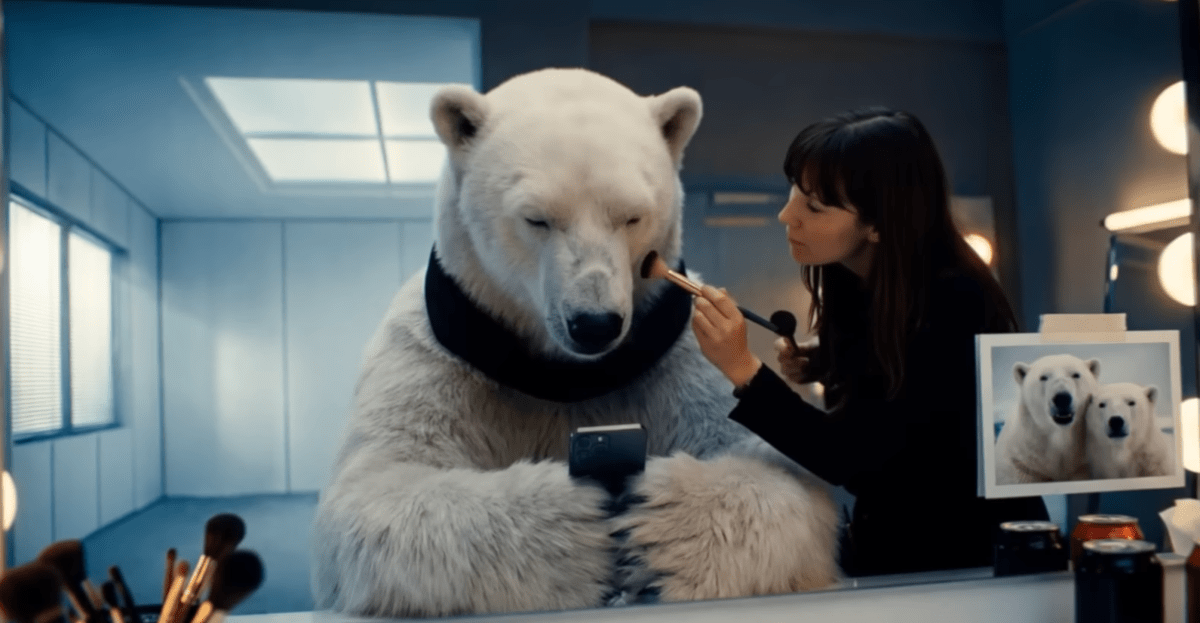
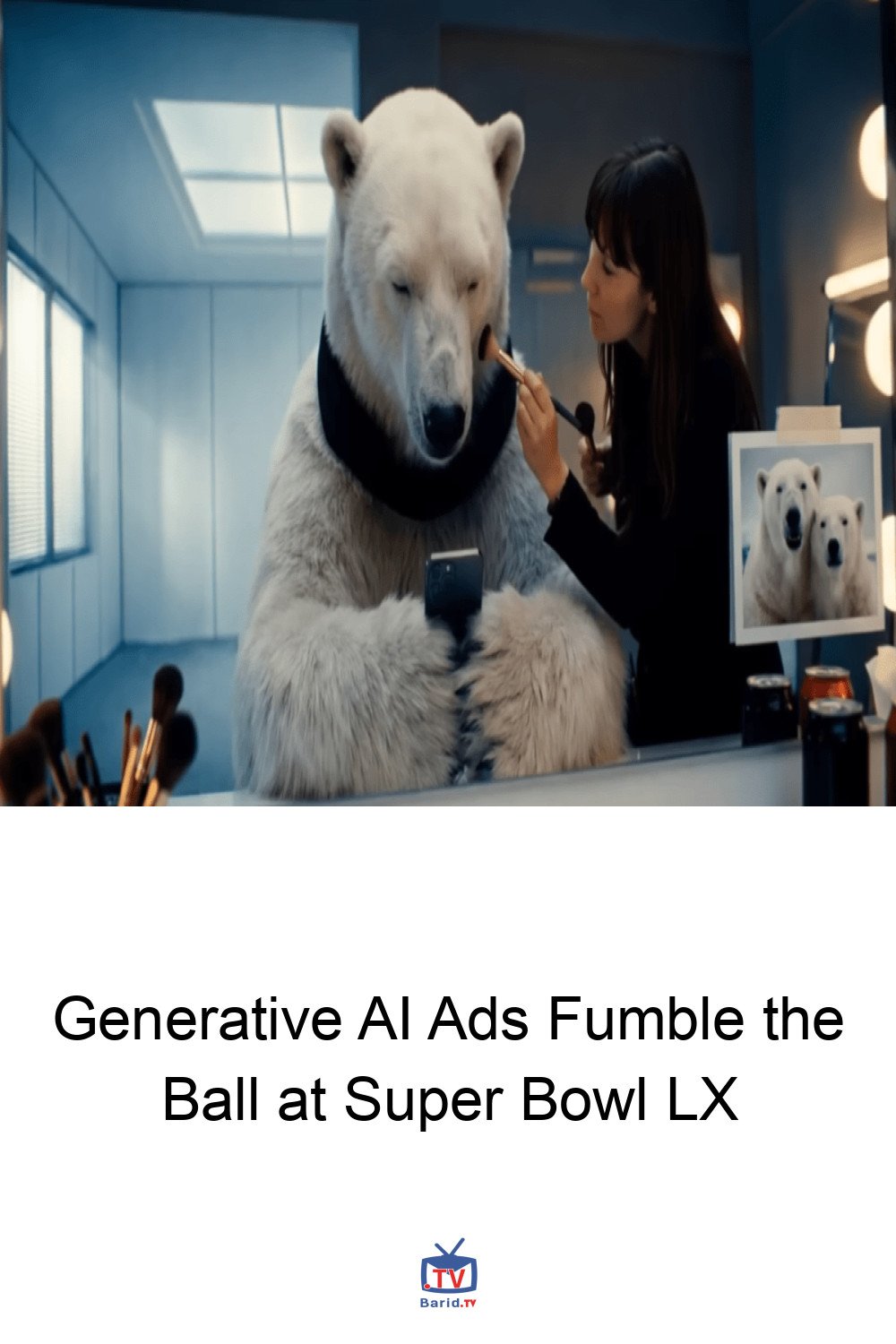
Among the most glaring examples of this creative shortfall was the advertisement from Israeli creative firm Artlist, aired exclusively in New York and Los Angeles. The ad’s core message was ambitious: anyone can generate Super Bowl-worthy video using Artlist’s production tools. The company even boasted about securing its ad space just a week prior and producing the entire commercial in a mere five days. While impressive in terms of speed, the final product was anything but.
Instead of showcasing the transformative power of AI, Artlist’s commercial inadvertently highlighted the very characteristics that lead many to dismiss AI-generated video as “slop.” Devoid of a cohesive narrative, the ad presented a disjointed montage of animals performing bizarre actions, loosely tied together by a voiceover. It offered nothing innovative, feeling more like a generic threat of digital noise than a compelling promise of creative empowerment.
Svedka’s Robotic Rerun: A Misguided Message
Vodka brand Svedka, owned by Sazerac Company, also ventured into the AI advertising space, resurrecting its Fembot CGI character and introducing a new companion, Brobot. The resulting commercial was almost entirely AI-generated. While Fembot has been a long-standing, albeit distinctively styled, part of the Svedka brand, Brobot bore an uncanny resemblance to Alan Tudyk’s Sonny character from the 2004 film I, Robot.
Sazerac’s chief marketing officer, Sara Saunders, explained to The Hollywood Reporter that AI production didn’t significantly save time or money. Instead, the company aimed for an “AI aesthetic” that would be “thematically-resonant” for a vodka brand and convey a “pro-human” message. The ad’s premise was simple: two robots arrive at a club, dispense vodka from their bodies, and get “drunk” amidst a crowd of awkwardly dancing, AI-generated humans, implying liquor helps machines embrace human-like revelry.
However, the commercial’s most memorable moment was Brobot’s “malfunction” after a drink, with liquid spilling down its chassis due to a seemingly disconnected internal system. While Sazerac insists this was intentional, it bore an unsettling resemblance to the accidental, nonsensical outputs often generated by unrefined AI models. This sequence inadvertently suggested that Svedka’s product was damaging the robot, a message alcohol brands typically avoid. Despite Sazerac’s attempts to spin the ad as a brand win, the most “pro-human” action, arguably, would have been to invest in human creativity for a more impactful and coherent concept.
The Peril of Perceived Sloppiness
The lukewarm reception to these AI-generated commercials underscores a broader sentiment: a growing animosity towards the less-than-polished output of generative AI. In an era where “wonky visuals” are quickly attributed to AI, even legitimate sloppy editing can be misconstrued. For brands, participating in this nascent and often flawed production process proved to be a significant risk this year, potentially damaging their image rather than enhancing it. The Super Bowl’s AI experiment serves as a cautionary tale, reminding us that while technology offers new tools, genuine creativity, human oversight, and a commitment to quality remain paramount in effective advertising.
For more details, visit our website.
Source: Link