
With the 2026 Milano Cortina Winter Olympics just days away, the buzz in Italy isn’t about athletic prowess or medal hopes, but rather an escalating controversy surrounding security. A public outcry has gripped the nation, fueled by reports of the presence of both US Immigration and Customs Enforcement (ICE) and Qatari security forces, casting a shadow over the Games’ festive spirit.
The ICE Factor: Unwelcome Guests in Milan?
For days, Italian governmental bodies, Milanese authorities, and diplomatic missions have been scrambling to address widespread public concern over ICE’s involvement. The agency, notorious for its enforcement activities and associated controversies in the US, confirmed its presence through the US Department of Homeland Security (DHS) to The New York Times last week.
According to DHS assistant secretary for public affairs Tricia McLaughlin, ICE personnel will accompany a US delegation, working alongside a State Department team to “vet and mitigate risks from transnational criminal organizations,” not to conduct immigration enforcement. US officials maintain that such security measures are standard for major international events, emphasizing that Italy retains ultimate control over security operations.
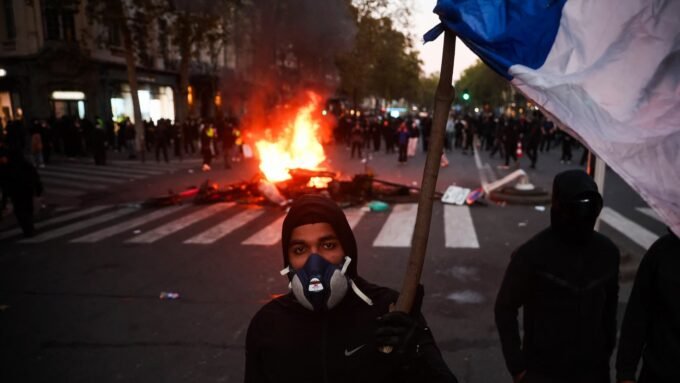
However, recent fatal shootings involving US immigration agents, including those of Alex Pretti and Renee Nicole Good, have amplified Italian anxieties. Milan’s mayor, Giuseppe Sala, didn’t mince words, telling a local radio station that ICE agents were “not welcome” in his city. Hundreds echoed this sentiment on Saturday, gathering in Milan’s Piazza XXV Aprile with signs proclaiming “No ICE in Milano” and “ICE Out Now.”
While some Italian officials, like Interior Minister Matteo Piantedosi, claimed ignorance of ICE’s presence but saw no inherent issue, Prime Minister Giorgia Meloni has remained conspicuously silent. It’s understood that ICE’s role will be to protect the US contingent, which includes figures like Vice President JD Vance and Secretary of State Marco Rubio, implying a focus on dignitary protection rather than street-level immigration enforcement.
Qatar’s Controversial Security Deployment
Adding another layer to the security complex is the unexpected arrival of Qatari security forces. On January 27, a cargo plane delivered over a hundred Qatari public security officers, 20 camouflage SUVs, and three snowmobiles to Milan’s Malpensa Airport. The distinctive SUVs were later seen navigating Milan’s city center, passing iconic landmarks like Piazza Duomo and San Siro, the venue for the opening ceremony.
The peculiarity of Qatar’s involvement stems from the fact that the nation has no athletes competing in the Winter Games. This elite security team’s presence is a direct result of a cooperation agreement signed last September by Italy’s Interior Minister Piantedosi during a visit to Qatar. Their mandate includes “monitoring locations, providing rapid response capabilities, and supporting preventive measures against potential security risks.”
Yet, this arrangement has ignited its own controversy. Qatar’s security forces have faced accusations of human rights abuses, particularly against the LGBTQ+ community, raising questions about the appropriateness of their deployment in a democratic European nation for a global sporting event. Neither the Italian Ministry of the Interior nor the Qatari diplomatic offices responded to requests for comment from WIRED Italia, which originally broke this story.
A Complex Security Tapestry for Milano Cortina 2026
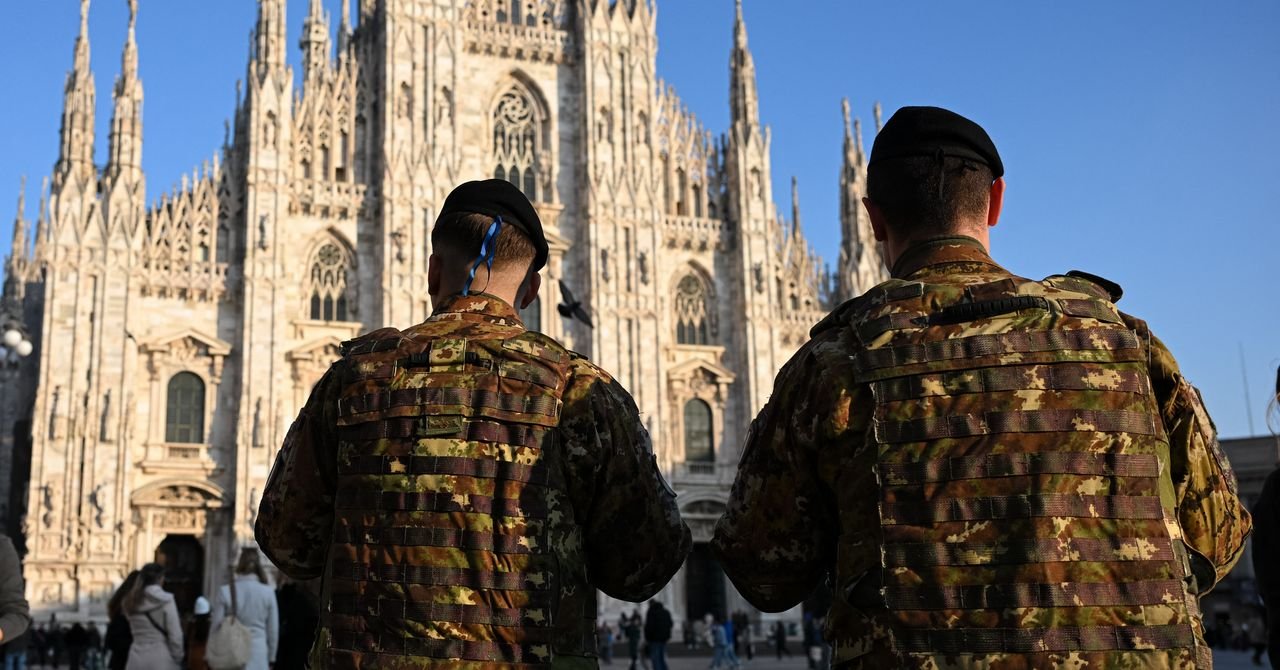
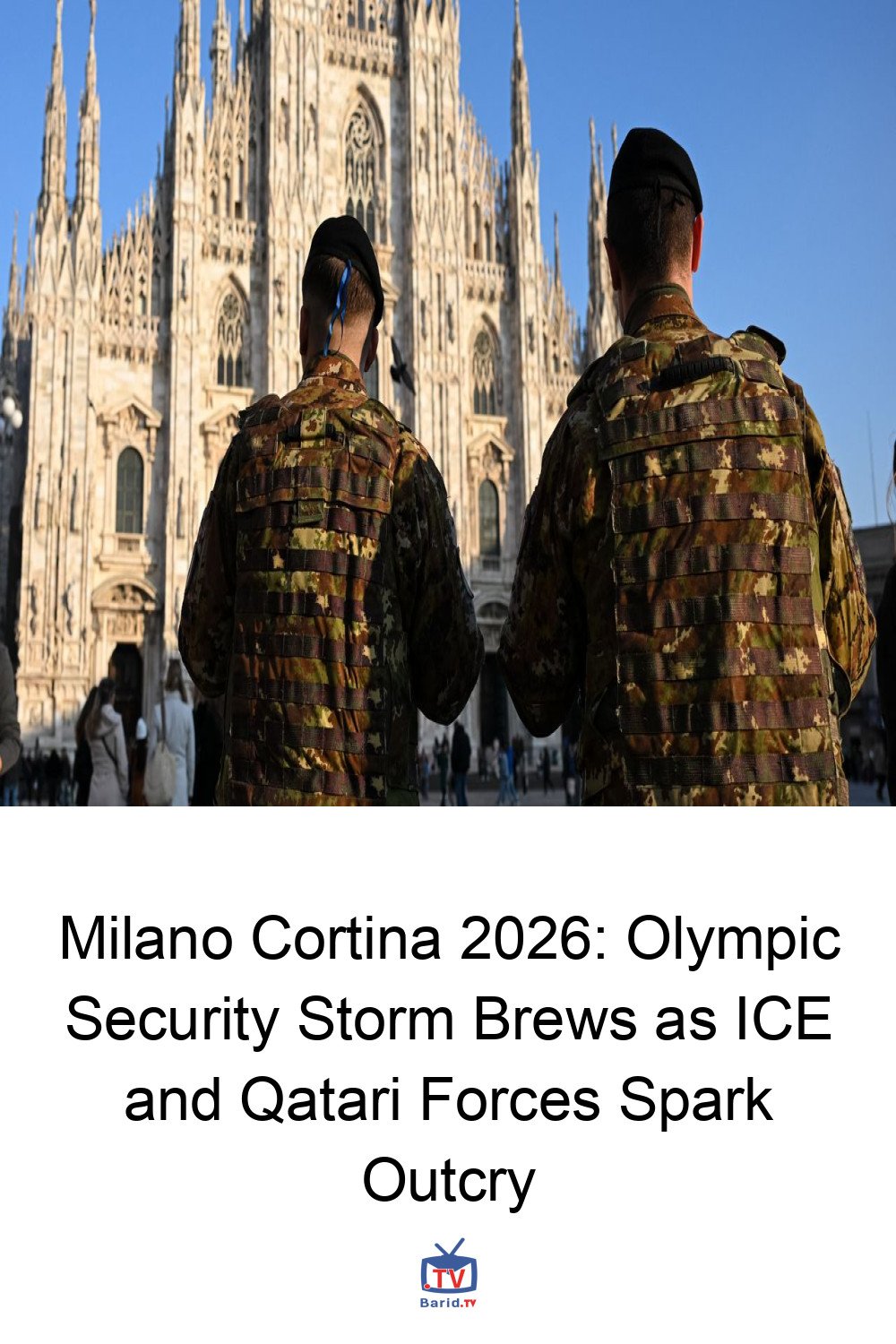
As the countdown to the Milano Cortina 2026 Winter Olympics continues, the focus remains firmly on the intricate and contentious security landscape. With over 6,000 Italian law enforcement personnel already pledged, the additional, and often controversial, foreign security presences have transformed the pre-Games narrative from one of athletic anticipation to a pressing debate on national sovereignty, public sentiment, and human rights implications.
For more details, visit our website.
Source: Link