
Morocco’s Healthcare Overhaul: A Phased Rollout Amidst Professional Skepticism
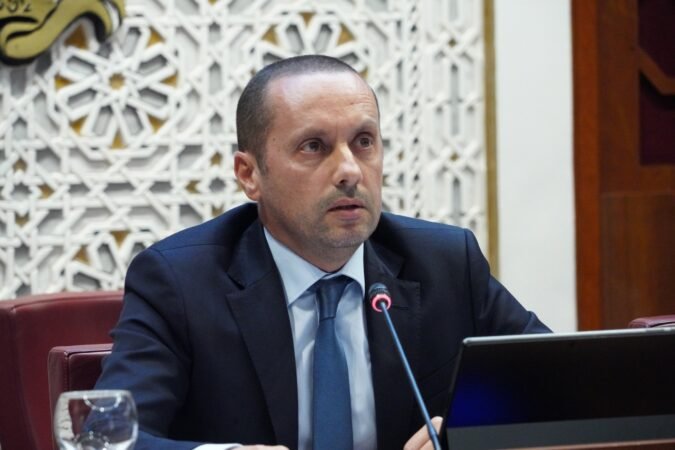
‘s health sector is currently navigating a period of significant unrest, prompting the government to push forward with a transformative initiative: the nationwide expansion of Territorial Health Groups (GST). Health and Social Protection Minister Amine Tahraoui recently presented this ambitious plan to parliament, aiming to fundamentally reorganize regional healthcare and enhance efficiency across the kingdom. However, this bold move is met with considerable skepticism from the very health professionals it seeks to empower.
Reimagining Regional Healthcare: The GST Initiative
The core objective of the GST model is to streamline and clarify care pathways, centralize human resources management, and foster stronger coordination between hospitals and clinics. The government believes this integrated approach will lead to a more responsive and effective healthcare system. Minister Tahraoui highlighted the initial pilot program in Tangier-Tetouan-Al Hoceima as a testament to its potential, reporting notable successes in shortening administrative delays and accelerating decision-making processes. A unified regional information system, linking various facilities, has also been instrumental in enabling coordinated patient care tracking, thereby improving overall management and oversight.
A Phased Approach to National Implementation
Recognizing the complexity of such a widespread reform, the government has committed to a gradual rollout of the GSTs through 2026. The pace of implementation will be carefully adjusted to suit each region’s specific readiness and needs. Critical preparatory steps are already underway, including the finalization of regulatory frameworks, defining clear coordination mechanisms with university hospitals, establishing robust budgets, and meticulously mapping out specialized care pathways. Crucially, the minister emphasized ongoing dialogue with health unions and staff, promising comprehensive consultations before the launch of each new GST to share lessons learned and proactively address potential challenges.
Addressing Concerns: Structural Reforms and Incentives
Complementing the GST rollout are broader structural reforms introduced under Law 09.22. This legislation aims to modernize the healthcare workforce by introducing a mixed salary system, incorporating performance-based bonuses, and offering allowances for professionals serving in underserved areas. Recent salary increases underscore this commitment, with general practitioners, pharmacists, and dentists seeing an increase of over MAD 4,390, specialists receiving MAD 4,405, and nurses and technicians benefiting from an additional MAD 1,950. Several regulatory decrees are currently being implemented to solidify these measures.
Professional Backlash and the Path Forward
Despite these governmental efforts and proposed incentives, the National Coordination of the Health Sector has announced continued protests. Unions cite persistent delays in the implementation of the July 2024 agreement and express concerns over the perceived lack of clear, tangible results from the Tangier pilot program. In response, a nationwide strike is slated for January 29, affecting all health facilities except emergencies, alongside weekly regional sit-ins planned over the next three weeks. Morocco’s ambitious endeavor to modernize its health system through the GST initiative hinges on more than just structural changes; its ultimate success will depend on effective, sustained dialogue with health professionals and the delivery of undeniable, tangible improvements that benefit all citizens.
For more details, visit our website.
Source: Link