

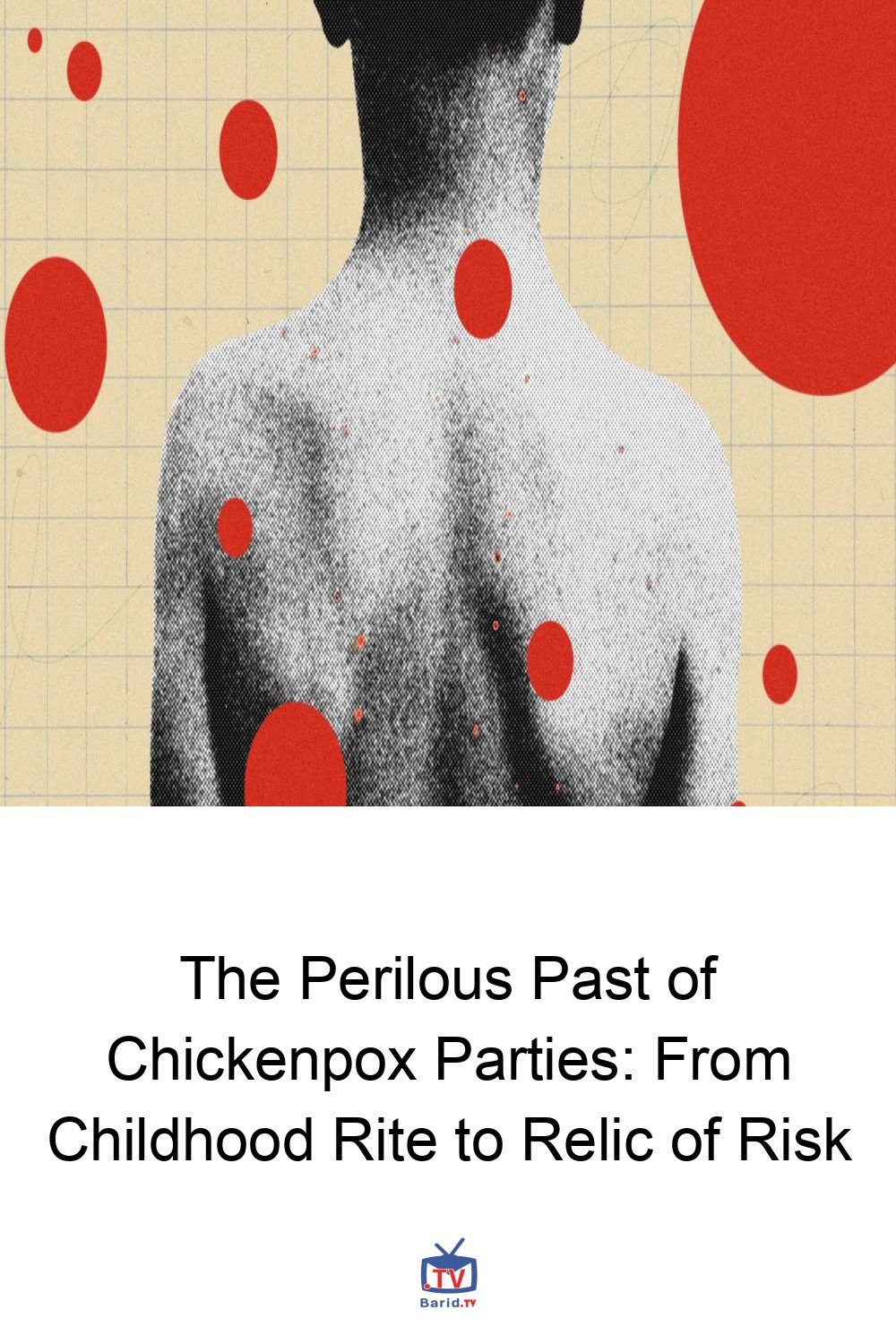
The memory is almost universal for those who experienced it: the relentless, maddening itch of chickenpox. For Ciara DiVita, now 30, the recollections stretch back to when she was just three years old. She remembers the tell-tale blisters, the oven mitts her parents made her wear to prevent scratching, and even being taken to deliberately expose herself to an infectious cousin. DiVita herself was part of a chain, having been intentionally exposed by her parents to a friend with the virus. “I imagine the chain continued and my cousin gave it to someone else at a chickenpox play date,” she recounts.
For generations, contracting chickenpox was considered an almost inevitable childhood rite of passage. But much has changed in the last three decades, most notably the advent of a highly effective vaccine. This medical breakthrough has dramatically altered the landscape, making the virus far less common and rendering the once-prevalent “chickenpox party” largely a relic of the past. Yet, like the virus itself – latent and opportunistic – these gatherings haven’t entirely vanished.
A Pre-Vaccine World: The Inevitable Itch
Before the varicella-zoster virus vaccine became routine, chickenpox felt unavoidable. In temperate climates like the UK and the US, a staggering 90 percent of children contracted the virus before adolescence. Interestingly, despite its name, the disease has no connection to chickens; one theory suggests its moniker derives from the French “pois chiche,” meaning chickpea, due to the resemblance of its characteristic round bumps.
While often mild in infants, chickenpox poses a significantly greater threat to adolescents and adults, who are prone to developing severe complications. This critical distinction formed the basis for the peculiar logic behind chickenpox parties.
The Flawed Rationale of Deliberate Exposure
“You were trying to have your child get the disease when they were at the greatest chance of not having complications,” explains Maureen Tierney, associate dean of clinical research and public health at Creighton University. The prevailing belief was that it was better to “get it over and done with” during childhood, when symptoms were generally less severe. However, this overlooked the inherent risks.
While typically self-limiting in children, the varicella-zoster virus can be far more severe, even life-threatening, in adults. Tierney vividly recalls a tragic case: “I had an otherwise healthy adult patient who died of chickenpox pneumonia when I was first practicing. You never forget those scenarios.”
The Spread of a Dangerous Idea
Chickenpox spreads rapidly through respiratory droplets and direct contact with fluid from its distinctive blisters. In communities without widespread vaccination, if one child contracted it, siblings and classmates were almost certainly next. Before the age of social media, the concept of deliberate infection spread just as quickly through word-of-mouth – in schoolyards, church groups, and pediatric waiting rooms – fueling the popularity of these informal “chickenpox parties.”
Parents would exchange home remedies like oatmeal baths and calamine lotion, and then arrange playdates with infectious children. This practice, though never medically recommended, was seen by many as a pragmatic solution. “They thought, well, if it’s going to happen to my kid anyway, it might as well happen in a controlled environment,” says Monica Abdelnour, a pediatric infectious disease specialist at Phoenix Children’s Hospital. “The families were ready to encounter this infection, deal with it, and then move on.”
The Unseen Dangers and Unpredictable Outcomes
Despite the common perception of chickenpox as a benign childhood illness, it carried significant risks. While most children recovered within a week or two, approximately three in every 1,000 infected individuals experienced severe complications. These could include pneumonia, serious bacterial skin infections, encephalitis (inflammation of the brain), or meningitis.
“Some kids get really, really sick,” warns Jill Morgan, a professor at the University of Maryland School of Pharmacy and an expert in pediatric health. “The problem is, if you had these parties, you didn’t know which kids would get over it and be OK, and which kids would end up in the hospital.” The gamble was real, and the consequences could be devastating.
The Triumph of Vaccination: A New Era of Protection
The widespread adoption of routine chickenpox vaccination programs marked the beginning of the end for chickenpox parties. A 2018 analysis of global vaccination trends confirmed a dramatic decrease in cases in countries like the US, Germany, and Australia, where universal childhood vaccination has been implemented.
In the United States, the vaccine is credited with an astounding 97 percent drop in reported cases since its introduction, according to data from the Centers for Disease Control and Prevention. Similar success stories are echoed globally: Uruguay witnessed a 94 percent reduction in cases among young children, Canada a 93 percent drop, and Spain more than 80 percent.
Immunologists now harbor the ambitious hope that, much like smallpox, the varicella-zoster virus might one day be entirely eradicated, a testament to the power of widespread vaccination.
For more details, visit our website.
Source: Link