
Inside the Oval Office: Decoding President Trump’s Unconventional Dealmaking Playbook
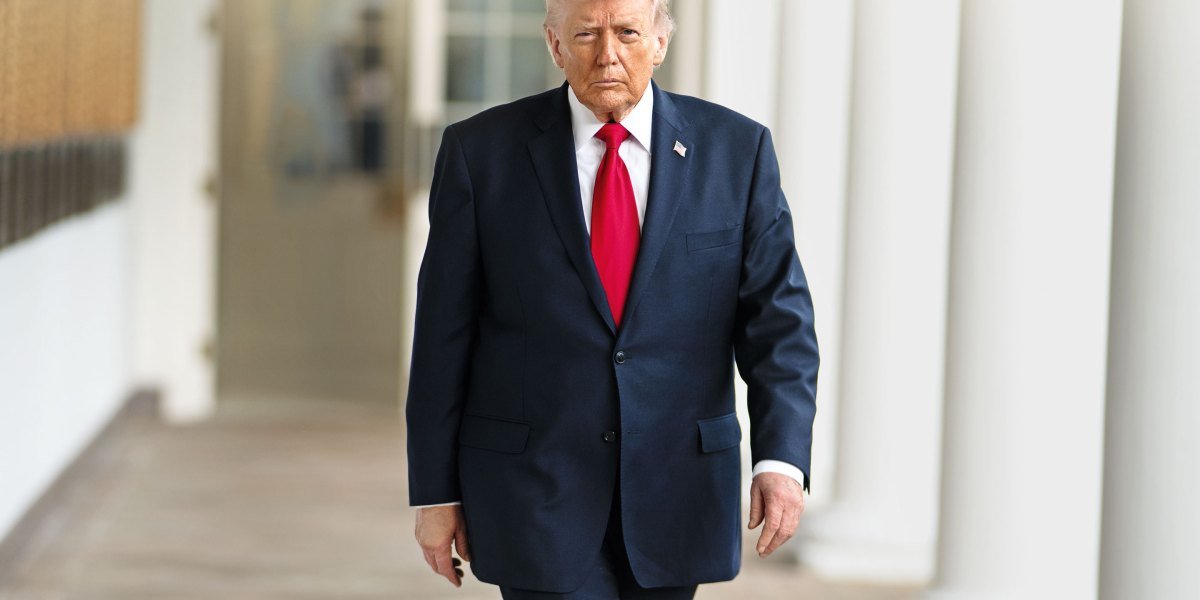
In a candid hour spent across the Resolute Desk, President Trump offered a rare glimpse into his distinctive approach to leadership, a style he proudly dubs ‘CEO-in-Chief.’ Just hours before embarking on a critical China summit, the President was personally orchestrating the inclusion of Nvidia co-founder Jensen Huang – a billionaire whose company’s chips fuel the AI revolution – into his elite delegation of Fortune 500 CEOs. Huang, a late but welcome addition, found himself sharing Air Force One with tech titans like Elon Musk, a testament to Trump’s belief that a direct call is all it takes to secure a seat at the table.
This informal, results-driven negotiation, where the President positions himself as the ultimate dealmaker, is a hallmark of his administration. He thrives on direct engagement, whether with world leaders or corporate giants, aiming for tangible outcomes and quick wins. Our wide-ranging conversation, touching on everything from tariffs and AI data centers to the conflict in Iran, revealed the top-down, dealmaking philosophy he employs to revitalize the American economy.
The Art of the Presidential Deal: A Top-Down Approach
With the strategic counsel of Wall Street veterans like Commerce Secretary Howard Lutnick and Treasury Secretary Scott Bessent, President Trump has boldly challenged established economic norms. He champions a dynamic blend of new revenue streams through global tariffs, strategic equity investments, and ambitious trade agreements designed to redirect foreign capital back to the U.S. His dual objectives are clear: to rectify perceived trade imbalances that he argues have weakened America and to tackle the nation’s escalating debt.
In an era often marked by partisan gridlock, Trump’s response has been to bypass traditional political and regulatory channels, presenting a fast-paced, singular vision that electrifies his supporters and raises ethical and legal alarms among his critics. “I make one of those deals every day that no normal person would make,” Trump declared, citing a potential railroad merger where he envisioned government equity. Reflecting on stakes his administration has claimed in companies like Intel and U.S. Steel, he acknowledged, “Some people actually think it’s un-American, what I do. They say, ‘You’re taking their company away.’” Yet, he insists, such critics miss the broader context: “We have $38 trillion in debt.”
Navigating Unorthodoxy: Economic Resilience Amidst Uncertainty
The long-term implications of this unorthodox approach – including the geopolitical reordering of alliances and partnerships – remain a subject of intense debate. Nevertheless, there are compelling indicators of its immediate impact. U.S. stocks and corporate profits have demonstrated remarkable resilience, achieving new highs this year, even amidst the inflationary pressures of what President Trump terms the “Iran war detour.”
However, public sentiment paints a more complex picture. Consumer confidence plummeted to an all-time low in April, and approval ratings for Trump’s economic management have seen a significant decline. Even staunch proponents grapple with fundamental questions about the future. As any seasoned executive understands, a robust enterprise cannot solely rest on the shoulders of one individual. This raises a critical query: what happens when the ‘CEO-in-Chief,’ who is fundamentally reshaping the White House, eventually departs?
Beyond Geopolitics: The Lincoln Memorial Fix
Interestingly, the deal that most animated President Trump during our conversation wasn’t about Iran or even China. It concerned the iconic Lincoln Memorial Reflecting Pool, a landmark he described as a long-standing “disaster” plagued by leaks due to its original granite block construction, likening it to a “garbage can.” He recounted a proposed solution that would have cost approximately $350 million and taken four years to complete. Instead, Trump proudly stated, he identified an alternative fix that will cost a fraction of that, completing the project in a significantly shorter timeframe.
For more details, visit our website.
Source: Link